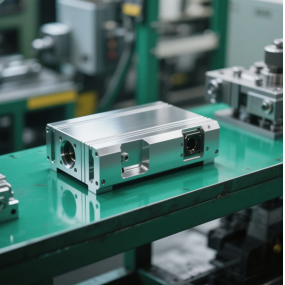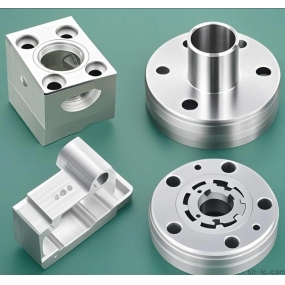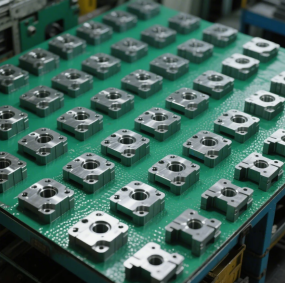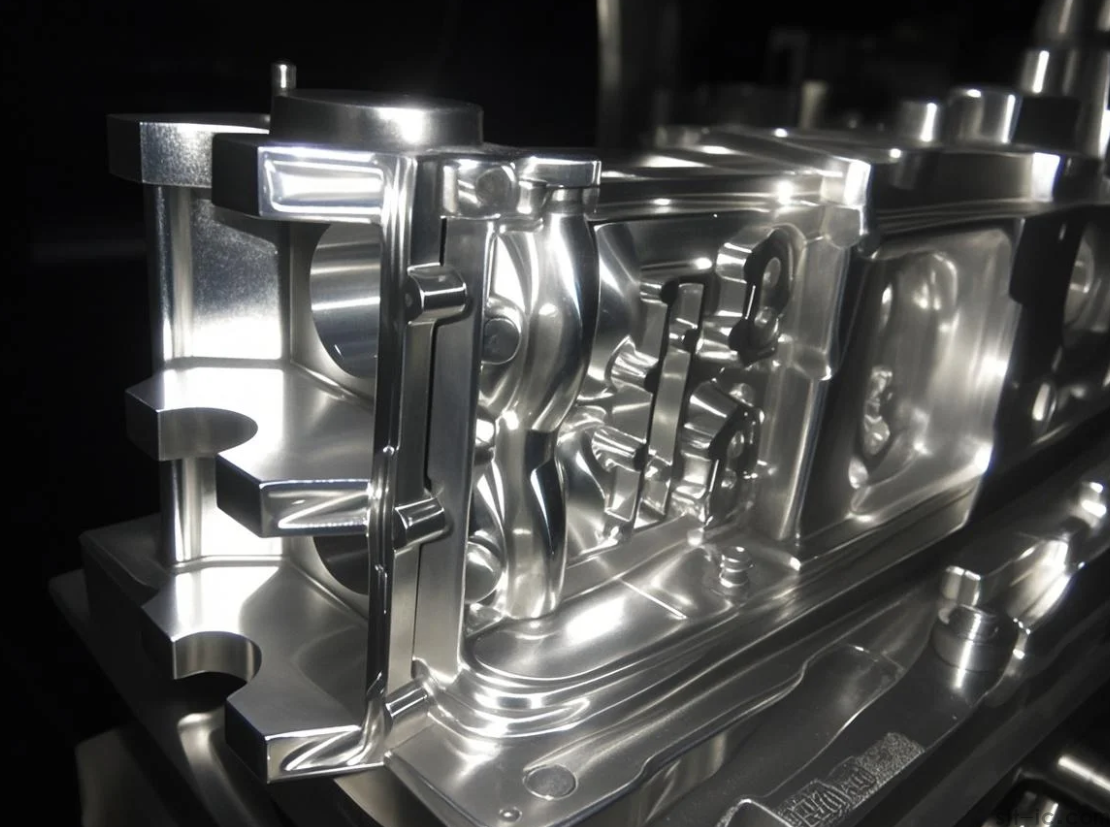
Large molds are essential for industries such as automotive, aerospace, home appliances, and industrial equipment. However, manufacturing large molds brings many challenges, including complex shapes, strict dimensional requirements, long machining times, and the need for consistent surface quality. CNC Machining Large Molds provides an effective solution by combining advanced equipment, precise control, and efficient production methods.
Compared with traditional machining methods, CNC machining can produce large molds with complicated geometries while maintaining high accuracy. It helps manufacturers reduce production errors, improve mold life, and achieve stable results from the first mold to large-volume production. Companies like EMAR use advanced CNC machining technology and professional manufacturing experience to support customers with reliable large mold production solutions.
Large molds often contain deep cavities, curved surfaces, complex structures, and tight tolerances. These requirements can be difficult to achieve with manual machining. CNC machining uses computer-controlled tools to remove material accurately according to digital design files, making it ideal for large and complex mold projects.
For companies producing injection molds, die casting molds, or compression molds, CNC machining provides a balance between accuracy, speed, and repeatability.
Good mold design is the foundation of successful machining. Before production starts, engineers must consider machine capability, mold structure, material properties, and final application requirements. These are important design considerations for CNC-machined large molds.
The mold size must match the working range of the CNC machining equipment. Extremely large molds may require multiple machining setups or specialized large-format CNC machines. Engineers should consider table size, maximum load capacity, spindle power, and tool reach during the design stage.
Proper planning helps avoid problems such as difficult positioning, insufficient tool access, or machining errors caused by unstable setups.
Draft angles allow molded parts to be removed smoothly from the mold cavity. Without enough draft, parts may stick, causing surface damage or reducing production efficiency.
During mold design, engineers add suitable draft angles based on the part material, mold structure, and production requirements. This improves mold performance and extends service life.
Large molds need effective temperature control because uneven cooling can cause deformation, shrinkage, or poor part quality. Cooling channels should be designed to provide balanced heat removal throughout the mold.
Proper cooling channel placement improves cycle time, reduces thermal stress, and helps maintain consistent production quality.
The correct material choice directly affects mold durability, machining efficiency, and final performance. Material selection for large mold CNC machining depends on the mold's purpose, production volume, required strength, and budget.
Professional CNC machining suppliers evaluate material properties before machining to select proper cutting tools, speeds, and manufacturing methods.
Large mold production usually requires several machining operations. Each operation has a specific purpose, from removing large amounts of material to achieving final surface accuracy.
Rough milling operations in large mold production are used to quickly remove excess material and create the basic mold shape. Large-diameter end mills are commonly used because they can remove material efficiently while maintaining good cutting stability.
Typical rough machining focuses on productivity rather than final surface quality. Engineers leave extra material for later finishing operations.
Finish milling creates the final mold surface and improves dimensional accuracy. Small-diameter ball-nose mills are often used for curved surfaces, deep cavities, and detailed areas.
Finish machining requires stable cutting conditions because even small vibrations or tool wear can affect the final surface quality.
Drilling operations are used for cooling channels, mounting holes, ejector holes, and other functional features. Proper tool selection and accurate positioning are necessary to ensure all components fit correctly during mold assembly.
Cutting parameters must be adjusted according to the mold material, tool size, machine power, and machining stage. Incorrect settings may increase tool wear, create vibration, or damage the mold surface.
Experienced manufacturers adjust machining parameters during production based on machine conditions and real-time inspection results.
Handling vibration in large mold CNC machining is one of the biggest challenges because large molds often require long cutting tools and deep cavity machining. Excessive vibration can reduce surface quality and shorten tool life.
Large molds require long machining cycles, so tool wear must be carefully monitored. Worn tools can cause dimensional errors and poor surface finishes.
Manufacturers can reduce tool problems by using proper cutting parameters, applying tool monitoring systems, and replacing tools before quality problems appear.
Large mold surfaces can experience deformation due to machining stress and heat generation. Multiple finishing passes, proper machining sequences, and accurate inspection help maintain overall flatness.
High-quality CNC machining suppliers, including EMAR, focus on process control to ensure large molds meet strict dimensional and surface requirements.
After CNC machining, additional processes can improve mold durability and appearance.
These additional treatments help molds perform reliably during long-term production.
Strict inspection is necessary because large molds are valuable components that directly affect final product quality. Quality control in large mold CNC manufacturing involves checking dimensions, surface conditions, and overall mold performance throughout the production process.
A reliable CNC machining partner uses inspection data to continuously improve manufacturing processes and provide consistent mold quality.
Producing large molds requires more than advanced machines. It requires experienced engineers, proper process planning, skilled operators, and strict quality management.
EMAR provides CNC machining services for complex and large-scale components, supporting customers from design review to final inspection. With experience in precision machining, material processing, and quality control, EMAR helps businesses develop durable and accurate molds for different industries.
For companies facing challenges such as complex mold structures, long production cycles, or strict accuracy requirements, professional CNC Machining Large Molds services can provide a reliable path to better performance, lower risks, and improved manufacturing efficiency.