HTML
Sheet Metal Processing Chassis: Materials, Manufacturing Methods, Design, and Quality Control
A chassis is an important structure used to support and protect equipment, machines, electronic systems, vehicles, and industrial products. A well-made chassis needs to be strong, accurate, lightweight, and durable. Sheet metal processing chassis manufacturing uses metal sheets and advanced production methods to create reliable frames and enclosures for different applications.
For engineers and buyers, understanding how a chassis is made can help them choose the right materials, improve product design, control costs, and ensure long service life. This article explains the key points of sheet metal chassis production, including materials, processing methods, design requirements, precision standards, and quality inspection.
What Is a Sheet Metal Processing Chassis?
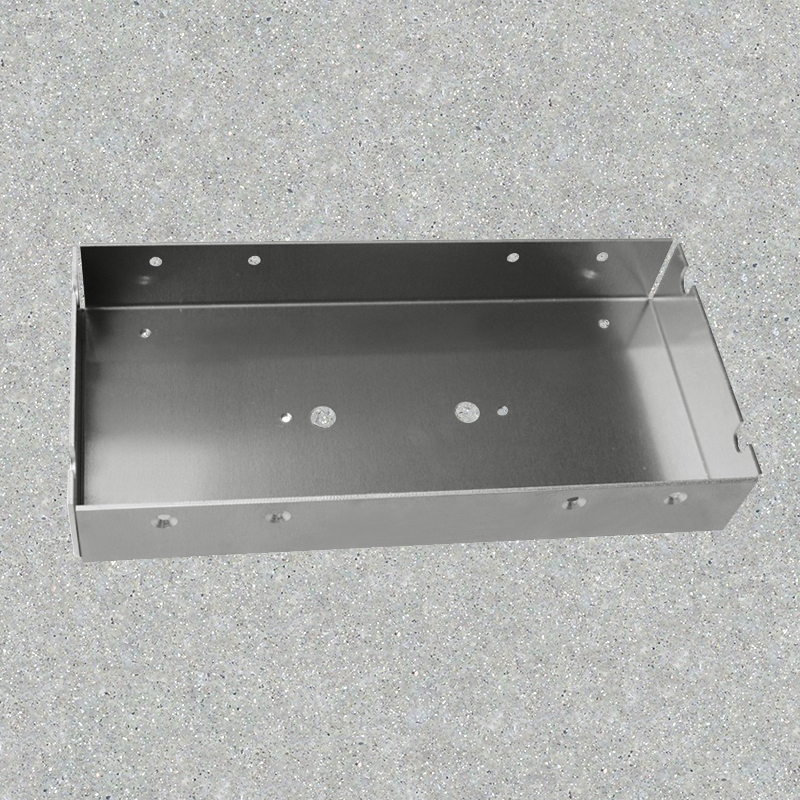
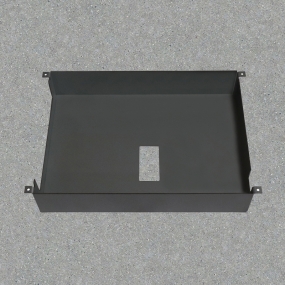
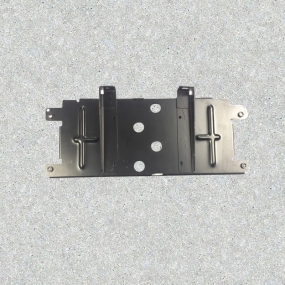
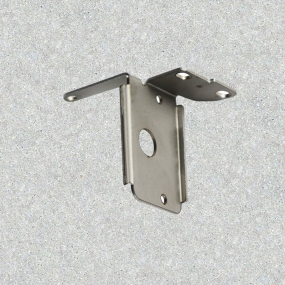
A sheet metal processing chassis is a structural part made from metal sheets through cutting, bending, welding, and surface treatment processes. It is commonly used in industrial equipment, communication devices, automation systems, electrical cabinets, medical equipment, and transportation products.
The main functions of a chassis include:
- Supporting internal components and keeping them in the correct position.
- Protecting sensitive parts from impact, dust, moisture, and external damage.
- Providing proper installation space for electrical and mechanical systems.
- Helping equipment achieve better stability and longer service life.
Because different applications have different requirements, manufacturers need to carefully select materials and processing methods when producing a sheet metal processing chassis.
Materials in Sheet Metal Processing Chassis
The choice of material directly affects the strength, weight, corrosion resistance, and cost of a chassis. Common materials include steel and aluminum.
Steel Materials for Chassis Manufacturing
Steel is one of the most widely used materials in sheet metal processing chassis production. It provides high strength and good durability, making it suitable for heavy-duty applications.
Common steel options include:
- Carbon steel: It has good strength and is cost-effective. It is often used for industrial equipment frames and machine enclosures.
- Stainless steel: It offers excellent corrosion resistance and is suitable for food equipment, medical devices, and outdoor applications.
- Galvanized steel: It has a protective zinc coating that improves rust resistance.
Aluminum Materials for Chassis Manufacturing
Aluminum is another popular choice because it is lightweight and corrosion-resistant. It is suitable for products that require easy transportation or reduced overall weight.
Advantages of aluminum include:
- Lower weight compared with steel.
- Good resistance to corrosion.
- Easy machining and forming.
- Good heat dissipation performance for electronic equipment.
For example, a communication equipment chassis installed outdoors may use aluminum because it needs both lightweight construction and weather resistance. A heavy industrial machine chassis may use steel because higher strength is more important.
Processing Techniques for Sheet Metal Chassis
The manufacturing quality of a chassis depends greatly on the production methods used. Modern factories combine different processes to achieve accurate and reliable results.
Cutting Process
Cutting is usually the first step in sheet metal processing. It shapes the metal sheet into the required size and outline.
Common cutting methods include:
- Laser cutting: Provides high accuracy and clean edges, making it suitable for complex designs.
- CNC punching: Efficient for producing holes and repeated shapes in large quantities.
- Shearing: Suitable for simple straight cuts and basic sheet metal parts.
Accurate cutting helps reduce material waste and improves the final assembly quality.
Bending Process
Bending changes flat metal sheets into three-dimensional structures. It creates the shape and strength needed for a chassis.
During bending, manufacturers must control bending angles and positions carefully. Incorrect bending may cause assembly problems or reduce structural strength.
Welding Process
Welding connects different metal parts into a complete chassis structure. A strong weld improves durability and load capacity.
Common welding methods include:
- Spot welding for thin metal sheets.
- TIG welding for high-quality and clean joints.
- MIG welding for efficient industrial production.
After welding, skilled technicians check weld areas to ensure there are no cracks, weak points, or deformation.
Design in Sheet Metal Processing Chassis
Good design is essential for producing a chassis that is strong, practical, and easy to manufacture. Design in sheet metal processing chassis focuses on structural performance, space usage, installation needs, and user requirements.
Structural Integrity
A chassis must maintain its shape under different conditions, such as vibration, pressure, and equipment weight. Designers often add support structures, reinforced corners, or stronger materials in areas with higher loads.
For example, a server equipment chassis may require extra support points because many electronic components are installed inside and generate continuous vibration and heat.
Space Utilization
Efficient use of internal space allows more components to be installed while keeping the chassis compact. Designers should consider:
- Component placement and accessibility.
- Cable routing space.
- Ventilation openings for heat control.
- Maintenance and repair convenience.
A well-designed chassis reduces assembly time and improves user experience.
Precision in Sheet Metal Processing Chassis
Accuracy is important because chassis parts often need to match with other components. Precision in sheet metal processing chassis affects assembly quality, appearance, and product performance.
Typical precision requirements include:
- Accurate hole positions for screws and mounting parts.
- Correct bending angles to ensure proper assembly.
- Consistent dimensions between different production batches.
Depending on the application, tolerance requirements may range from general industrial accuracy to very high precision for electronic equipment. Advanced CNC machines and measurement tools help manufacturers maintain stable dimensions.
For example, a small error in an electronic chassis may prevent circuit boards from fitting correctly. Careful control of dimensions avoids these problems.
Quality Control in Sheet Metal Processing Chassis
Quality inspection ensures that every chassis meets performance and safety requirements. Quality control in sheet metal processing chassis includes checking materials, dimensions, strength, and surface quality.
Material Inspection
Manufacturers verify that the selected metal matches customer requirements. Material thickness, type, and surface condition are checked before production.
Dimensional Inspection
Measurement tools such as calipers, height gauges, and coordinate measuring equipment are used to check:
- Overall chassis size.
- Hole locations.
- Bending accuracy.
- Assembly dimensions.
Strength and Appearance Inspection
Finished chassis products are inspected for:
- Weld strength and joint quality.
- Structural stability.
- Surface scratches or coating defects.
- Correct assembly and finishing results.
Reliable quality control helps prevent failures during actual use and improves customer confidence.
Practical Tips for Choosing a Sheet Metal Chassis Manufacturer
When selecting a supplier for a sheet metal processing chassis, customers should consider more than just price. A professional manufacturer should have strong engineering knowledge, modern equipment, and strict inspection processes.
Important factors include:
- Experience with different metals and chassis applications.
- Ability to provide customized designs.
- Advanced cutting, bending, and welding equipment.
- Stable production capacity and quality management.
- Clear communication during product development.
EMAR provides professional sheet metal processing services for chassis applications. With experience in customized metal fabrication, precision manufacturing, and quality inspection, EMAR helps customers develop chassis solutions that meet different industry requirements. From prototype production to large-volume manufacturing, the company focuses on reliable quality, accurate dimensions, and practical designs.
Applications of Sheet Metal Processing Chassis
Sheet metal chassis products are widely used in many industries, including:
- Automation equipment: Protecting control systems and mechanical components.
- Telecommunication systems: Providing secure housing for network devices.
- Medical equipment: Supporting clean and reliable equipment structures.
- Industrial machines: Protecting internal parts in demanding environments.
- Electronic products: Managing components, heat, and electromagnetic protection.
Each application has different requirements, so customization is often necessary to achieve the best performance.
Conclusion
A high-quality sheet metal processing chassis requires the right combination of materials, manufacturing techniques, design planning, precision control, and inspection procedures. Steel provides strength and durability, while aluminum offers lightweight and corrosion-resistant advantages. Cutting, bending, and welding processes transform metal sheets into reliable structures, while strict quality control ensures consistent performance.
By understanding materials in sheet metal processing chassis, processing techniques for sheet metal chassis, design in sheet metal processing chassis, precision in sheet metal processing chassis, and quality control in sheet metal processing chassis, businesses can make better decisions when developing their products.
Working with an experienced manufacturer such as EMAR can help companies achieve customized chassis solutions with reliable quality, efficient production, and professional sheet metal processing support.
 English
 » »
» »
 Spanish
 Arabic
 French
 Portuguese
 Belarusian
 Japanese
 Russian
 Malay
Malay Icelandic
 Bulgarian
 Azerbaijani
 Estonian
 Irish
Irish Polish
 Persian
 Boolean
 Danish
 German
 Filipino
 Finnish
 Korean
 Dutch
Dutch Galician
 Catalan
 Czech
Czech Croatian
 Latin
Latin Latvian
 Romanian
 Maltese
 Macedonian
 Norwegian
 Swedish
 Serbian
 Slovak
 Slovenian
 Swahili
 Thai
Thai Turkish
 Welsh
Welsh Urdu
Urdu Ukrainian
 Greek
Greek Hungarian
 Italian
 Yiddish
 Indonesian
 Vietnamese
 Haitian Creole
 Spanish Basque