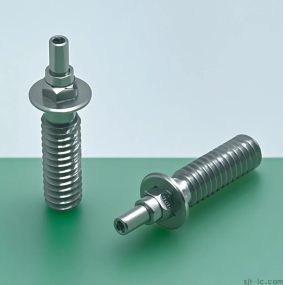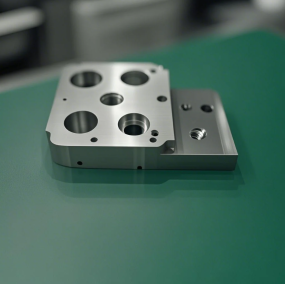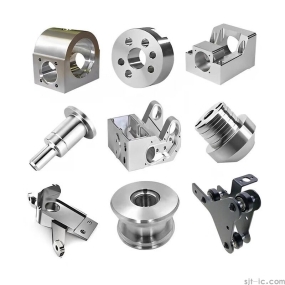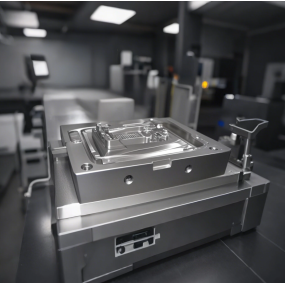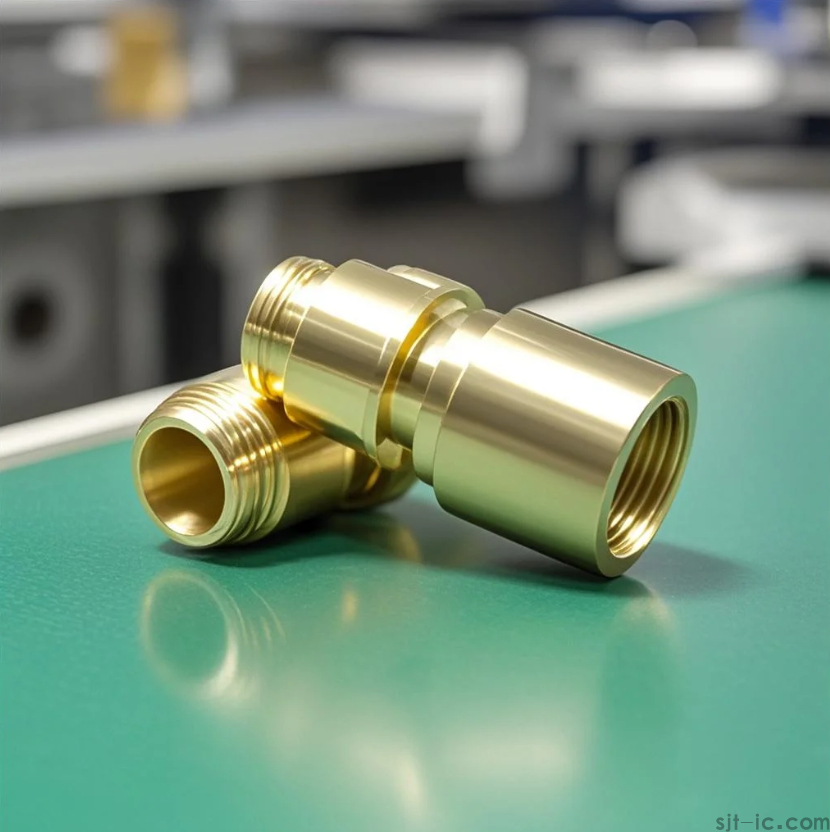
CNC Small Copper Parts Batch Processing is widely used in industries that need stable quality, high conductivity, and tight dimensional accuracy. Copper is soft, sticky, and easy to deform during machining, so batch production requires careful planning and control. Many manufacturers struggle with inconsistent surface finish, tool wear, and dimensional drift when producing copper parts in large quantities.
This article explains the real challenges and solutions in simple English, helping you understand how to improve efficiency, precision, and cost control in mass production.
When producing small copper components in batches, manual machining cannot maintain stable accuracy. CNC Machining solves this by using programmed control, ensuring every part follows the same cutting path.
The advantages of CNC in small copper parts batch production include stable repeatability, reduced human error, and faster production cycles. Even complex shapes like connectors, terminals, and electrical pins can be produced consistently.
Companies like EMAR focus on optimizing CNC processes specifically for copper materials, helping customers achieve better consistency and lower defect rates in mass production.
Understanding the steps in batch processing of CNC small copper parts helps reduce errors and improve efficiency:
Each step is critical because even small errors can multiply across thousands of parts in batch production.
Precision control in batch processing of CNC small copper parts is one of the biggest challenges in manufacturing. Copper tends to expand under heat and stick to cutting tools, which can lead to dimensional deviation.
To solve this, manufacturers use controlled cutting speeds, sharp carbide tools, and cooling systems. Temperature stability in the workshop also plays an important role in maintaining consistent results across batches.
EMAR applies strict process monitoring systems to reduce variation between the first part and the last part in a production batch.
The right tools make a big difference in copper processing. Poor tooling can cause burrs, rough surfaces, and tool breakage.
Tooling selection for CNC small copper parts batch processing should focus on:
Proper tool selection not only improves surface quality but also reduces production cost over large batches.
Quality assurance in CNC small copper parts batch processing ensures every part meets design requirements, even in long production runs.
Common quality control methods include:
By combining these methods, manufacturers can significantly reduce defect rates and avoid costly rework.
In real production, several issues often occur in CNC copper machining:
Addressing these issues early improves stability in long production runs.
EMAR specializes in precision CNC machining of small metal parts, including copper components used in electronics, automotive systems, and industrial equipment.
With experience in CNC Small Copper Parts Batch Processing, EMAR focuses on process optimization, tooling improvement, and strict quality control systems. This helps customers reduce production risks and achieve stable mass production results.
Whether it is small prototype runs or large-scale batch orders, EMAR provides consistent precision and reliable delivery support.
Successful CNC copper batch production depends on process control, tooling strategy, and quality management. By understanding each step and applying proper techniques, manufacturers can achieve high precision and stable output.
With professional support from experienced suppliers like EMAR, businesses can improve efficiency and reduce manufacturing risks in CNC Small Copper Parts Batch Processing.