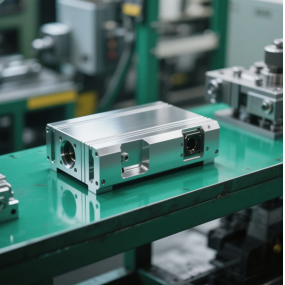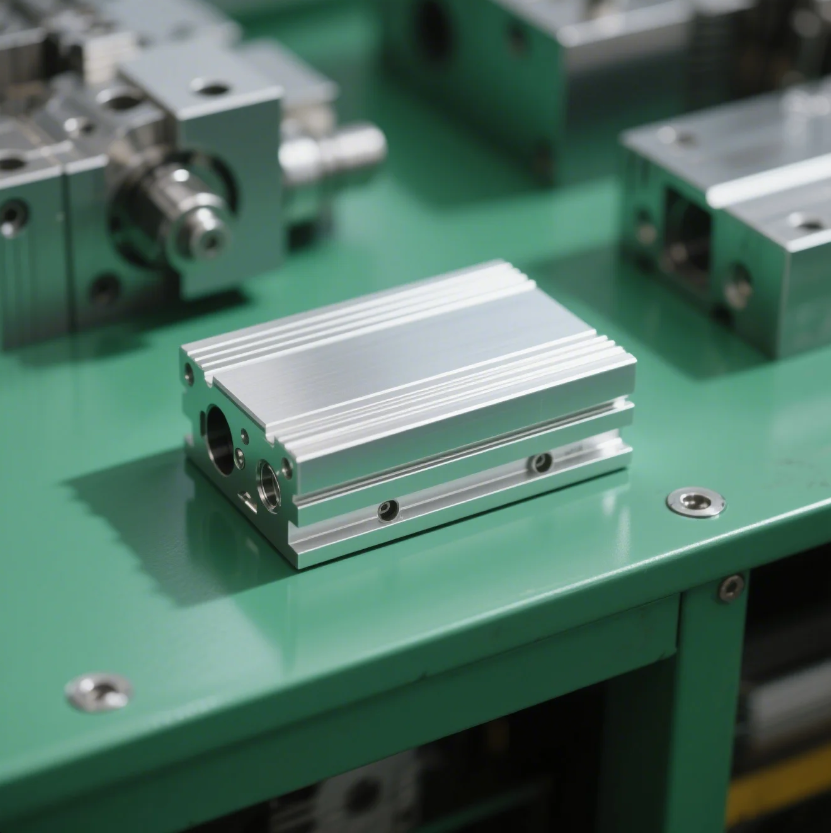
Aluminum enclosures are widely used in electronics, automation equipment, medical devices, communication systems, and industrial products. They protect sensitive components while providing a lightweight and durable housing solution. However, many customers have questions before starting a project: Which aluminum alloy should be used? How can machining accuracy be guaranteed? How can costs be controlled? What design factors affect the final enclosure quality?
Aluminum Enclosure CNC Machining provides an effective solution for producing high-quality aluminum housings with accurate dimensions, complex structures, and reliable performance. By combining suitable aluminum materials with advanced CNC machining technology, manufacturers can create enclosures that meet strict requirements for strength, heat management, appearance, and protection.
Aluminum is one of the most commonly selected materials for CNC-machined enclosures because it offers a balanced combination of performance, cost, and manufacturability. Compared with steel or plastic, aluminum provides several important advantages.
These properties make aluminum a preferred choice for applications where reliability, weight reduction, and heat control are important.
The correct material selection is one of the most important steps in aluminum enclosure manufacturing. Different aluminum alloys provide different levels of strength, machinability, corrosion resistance, and forming ability. Choosing the wrong material may lead to problems such as deformation, poor surface quality, or insufficient protection.
6061 aluminum is one of the most widely used alloys for CNC-machined enclosures. It contains magnesium and silicon, which provide good mechanical strength and excellent machining performance.
6061 aluminum is commonly used for industrial control boxes, outdoor equipment housings, and structural electronic enclosures where strength is a priority.
6063 aluminum is known for its excellent extrusion performance and smooth surface finish. It is often selected when the enclosure requires more complex profiles or attractive appearance.
6063 aluminum is often used for decorative housings, electronic frames, and applications where appearance and shape flexibility are important.
5052 aluminum provides excellent corrosion resistance and good forming ability. It is especially suitable for sheet metal enclosure designs that require bending operations.
The choice between 6061, 6063, and 5052 depends on the enclosure's working environment, mechanical requirements, production method, and budget.
CNC machining allows manufacturers to produce aluminum enclosures with high precision and repeatability. Unlike traditional manual processing, CNC machines follow programmed instructions to create consistent parts with complex geometries.
The main advantages of CNC machining for aluminum enclosures include:
Professional manufacturers such as EMAR use advanced CNC machining equipment and experienced engineering teams to help customers achieve reliable aluminum enclosure solutions from prototype development to mass production.
The manufacturing process of an aluminum enclosure usually includes several CNC machining operations. Each step affects the final accuracy, appearance, and performance of the product.
Cutting is often the first stage in aluminum enclosure production. It prepares the basic material shape before further machining and forming.
Laser cutting:
Typical laser cutting parameters depend on aluminum thickness and machine capability. Higher cutting speeds are usually used for thinner materials, while thicker plates require optimized power settings and slower movement speeds to reduce heat distortion.
Waterjet cutting:
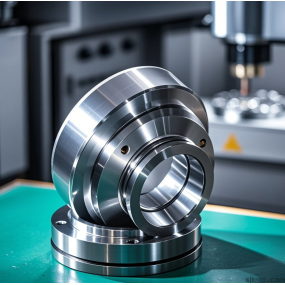
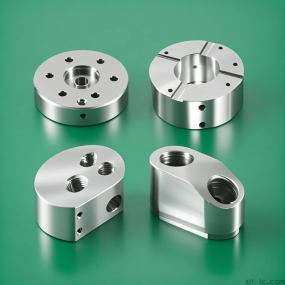
Milling is a key process in machining operations in aluminum enclosure CNC. CNC milling machines use rotating cutting tools to remove material and create detailed structures.
Milling is used for:
Common tools include carbide end mills and high-speed aluminum cutting tools. Proper cutting parameters are important to avoid burrs and improve surface quality. Manufacturers usually adjust spindle speed, feed rate, and cutting depth according to alloy type and enclosure design.
Bending is commonly used for sheet aluminum enclosures, especially when working with 5052 aluminum. CNC press brakes can create accurate angles while maintaining product consistency.
Important bending factors include:
Correct bending settings help prevent cracks, surface damage, and dimensional errors.
A good enclosure design must consider not only appearance but also heat management, assembly convenience, and product protection. Proper planning during the design stage can reduce machining difficulty and production costs.
Electronic components generate heat during operation. Ventilation holes, cooling slots, and heat sink structures can be added during CNC machining to improve airflow.
Designers should consider:
Enclosures need proper openings for connectors, switches, displays, cables, and maintenance access. CNC machining can create accurate openings that match component dimensions and simplify assembly.
Many electronic products require protection from electromagnetic interference (EMI). Aluminum naturally provides shielding properties, and CNC machining can support shielding designs through:
Considering these factors early helps create an enclosure that is functional, manufacturable, and cost-efficient.
Although aluminum is easy to machine, manufacturers still face challenges during production. Understanding these issues helps improve product reliability.
Thin aluminum sheets may deform due to cutting forces or heat during processing. Poor flatness can affect assembly accuracy and sealing performance.
Solutions include:
Large aluminum parts with uneven material removal may experience stress-related deformation.
Manufacturers can reduce warping through:
Experienced CNC suppliers understand these challenges and adjust production methods based on enclosure size, alloy type, and application requirements.
Quality control is essential because aluminum enclosures often protect valuable electronic components. Reliable manufacturers use multiple inspection steps throughout production.
During machining, technicians check critical dimensions, surface conditions, and machining accuracy. This helps identify problems before the complete batch is finished.
Finished aluminum enclosures may undergo:
Depending on the application, manufacturers may also follow industry standards related to safety, environmental protection, and product reliability.
Many customers want high-quality enclosures while keeping manufacturing costs under control. Cost depends on several factors, including material price, production quantity, machining time, and design complexity.
Important cost factors include:
To achieve cost-effective machining, designers should focus on design for manufacturability (DFM). This includes reducing unnecessary features, standardizing hole sizes, minimizing complex setups, and selecting practical tolerances.
Companies with strong engineering support, such as EMAR, can help optimize enclosure designs while maintaining required performance and quality standards.
Selecting a reliable CNC machining partner is important for achieving consistent enclosure quality. A capable manufacturer should provide:
With the right combination of material knowledge, machining technology, and quality management, Aluminum Enclosure CNC Machining can deliver durable, precise, and cost-effective enclosure solutions for many industries.