CNC Machining Mold Manufacturing: A Practical Guide for High-Quality Mold Production
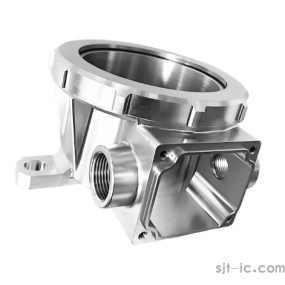
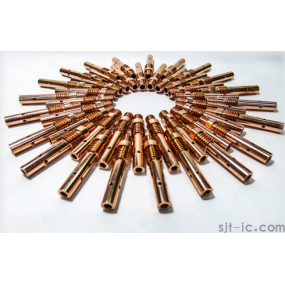
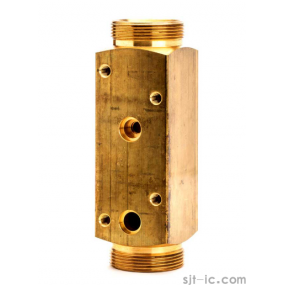
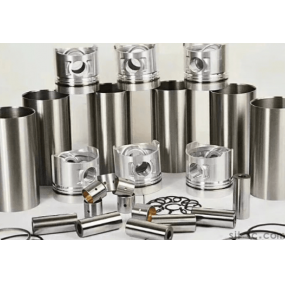
CNC Machining Mold Manufacturing is one of the most important processes in modern industry. It is widely used to create precise molds for plastic parts, automotive components, electronics housings, medical devices, and many other products. Many users struggle with low mold accuracy, high production costs, and unstable quality. CNC machining solves these problems with automation, precision control, and repeatable results.
Why CNC Machining Mold Manufacturing Matters
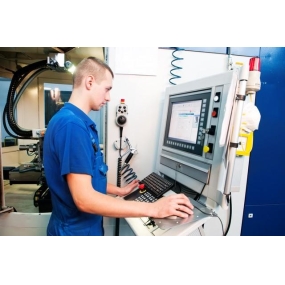
Traditional mold making often depends heavily on manual skills. This can lead to inconsistent quality and longer production time. In contrast, CNC machining uses computer-controlled tools to cut and shape metal with high accuracy. This makes it ideal for industries that need stable and repeatable mold performance.
The biggest advantage is consistency. Once a mold design is programmed, CNC machines can reproduce the same quality again and again without deviation.
Advantages of CNC Machining in Mold Making
The advantages of CNC machining in mold making are clear for manufacturers who want speed, accuracy, and cost control.
- High precision: CNC machines follow digital instructions with minimal error.
- Fast production: Automated cutting reduces manual work time.
- Repeatability: Every mold can be produced with the same standard.
- Complex shapes: CNC allows the creation of detailed and complex mold structures.
- Less waste: Material usage is optimized through precise cutting paths.
These benefits make CNC machining a preferred solution for industries that require reliable mold production.
Precision Requirements for CNC-Made Molds
The precision requirements for CNC - made molds are extremely strict, especially in industries like automotive and medical manufacturing. Even a small error can affect the final product quality.
Modern CNC machines can achieve micron-level accuracy. This means they can control cutting depth and surface finish with extremely fine detail. To maintain this precision, engineers must carefully manage tool selection, machine calibration, and temperature control during machining.
High precision ensures that molded products fit perfectly into assembly systems without rework or failure.
Materials Used in CNC-Machined Mold Manufacturing
The materials used in CNC - machined mold manufacturing play a key role in durability and performance. Different applications require different material choices.
- Tool steel: High hardness and long lifespan, commonly used for industrial molds.
- Stainless steel: Corrosion resistance, ideal for medical and food-grade molds.
- Aluminum: Lightweight and easy to machine, suitable for prototype molds.
- Alloy steel: Balanced strength and toughness for high-pressure molding.
Choosing the right material helps improve mold life and reduce maintenance costs over time.
Process Steps of CNC Machining for Mold Manufacturing
The process steps of CNC machining for mold manufacturing follow a clear workflow to ensure accuracy and efficiency.
- Design phase: Engineers create a 3D CAD model of the mold.
- CAM programming: The design is converted into machine instructions.
- Material selection: The right metal is chosen based on application needs.
- CNC rough machining: The machine removes excess material quickly.
- Precision finishing: Fine cutting ensures smooth surfaces and exact dimensions.
- Inspection: Quality checks verify accuracy and performance.
Each step is important to ensure the final mold meets strict industrial standards.
Cost-Effective Methods in CNC Mold Manufacturing
Many companies worry about high production costs. However, cost - effective methods in CNC mold manufacturing can significantly reduce expenses without sacrificing quality.
One effective method is optimizing tool paths to reduce machining time. Another is using suitable materials for different production stages, such as using aluminum for prototypes instead of expensive tool steel.
Batch production also helps reduce per-unit cost. Once the CNC program is set, multiple molds can be produced with minimal additional setup time.
Common Challenges in Mold Manufacturing and CNC Solutions
Mold manufacturing often faces challenges such as design errors, surface defects, and inconsistent dimensions. CNC machining helps solve these issues through automation and digital precision control.
By reducing human error and improving repeatability, CNC systems provide more stable production outcomes. This is especially important for industries requiring high safety and quality standards.
Applications of CNC Machining Mold Manufacturing
CNC machining is widely used in many industries that depend on high-quality molds.
- Automotive parts production
- Consumer electronics housings
- Medical device components
- Household appliance parts
- Industrial equipment components
Each application requires different levels of precision, but CNC machining can meet all of them with proper setup and programming.
Why Choose Professional CNC Mold Manufacturing Services
Working with an experienced provider helps ensure better quality and fewer production risks. A professional team understands material behavior, machine optimization, and quality control standards.
For example, :contentReference[oaicite:0]{index=0} offers reliable CNC machining solutions for mold manufacturing. With advanced equipment and strict quality control processes, EMAR helps customers achieve high precision, stable performance, and cost-efficient production.
Choosing a trusted partner like EMAR can reduce development time and improve final product reliability.
Conclusion
CNC Machining Mold Manufacturing is a powerful solution for industries that demand accuracy, speed, and consistency. By understanding the process, materials, and cost-saving strategies, manufacturers can significantly improve production efficiency.
Whether you are developing prototypes or large-scale production molds, CNC machining provides a stable and scalable solution for modern manufacturing needs.