
CNC Machining of Pistons: Precision, Materials, and Real Manufacturing Solutions
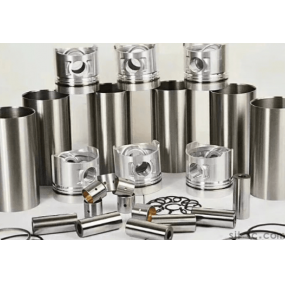
CNC Machining of Pistons is a key process in modern engine manufacturing. Pistons must work under high pressure, high temperature, and continuous movement. Even a small error in size or shape can cause engine noise, oil leakage, or performance loss.
Many engineers and buyers face common problems such as unstable quality, short piston life, and poor heat resistance. This article explains how CNC technology solves these problems in simple terms and helps you understand what really matters in piston production.
Why CNC Machining of Pistons Matters
Pistons are the heart of engines. Whether in cars, motorcycles, compressors, or industrial machines, they must be strong and precise. Traditional manufacturing methods often cannot keep tight accuracy for modern engine demands.
With CNC Machining of Pistons, every piston is shaped using computer-controlled machines. This improves consistency and reduces human error. It also allows complex designs that improve engine efficiency.
- Higher dimensional accuracy
- Better surface finish
- Longer service life of pistons
- Improved fuel efficiency and performance
Precision in CNC Machining Pistons: The Key to Engine Stability
Precision in CNC machining pistons is extremely important because pistons operate in very tight engine spaces. Even a micrometer-level error can cause friction or failure.
CNC machines control cutting tools with high accuracy, ensuring each piston matches the exact design. This helps reduce vibration and improves combustion efficiency.
For industries like automotive and aerospace, precision is not optional—it is a requirement.
Materials for CNC Machining Pistons: Choosing the Right Base
Materials for CNC machining pistons directly affect performance, durability, and heat resistance. Different engines require different material choices.
- Aluminum alloys: Lightweight, good heat dissipation, widely used in automotive engines
- Forged steel: High strength for heavy-duty engines
- Cast aluminum-silicon alloys: Good balance of strength and wear resistance
Choosing the wrong material can lead to fast wear, cracking, or overheating. That is why material selection must always match working conditions and load requirements.
CNC Machining Techniques for Pistons: How Quality is Achieved
CNC machining techniques for pistons include multiple steps to ensure accuracy and smooth performance.
- Rough machining: Removes excess material quickly
- Semi-finishing: Shapes the piston close to final size
- Finishing: Achieves final precision and surface quality
- Groove machining: Creates ring grooves with exact depth and width
- Surface treatment: Improves wear and heat resistance
Each step must be carefully controlled. Modern CNC systems reduce human error and ensure stable output for mass production.
Common Problems in Piston Manufacturing and How CNC Solves Them
Many manufacturers face issues such as inconsistent size, rough surface, and short piston lifespan. CNC technology helps solve these problems effectively.
- Inconsistent quality: CNC ensures every piston is identical
- Heat damage: Better material control improves heat resistance
- Friction loss: Smooth surfaces reduce energy waste
- Production delays: Automated machining increases speed
How EMAR Supports High-Quality CNC Machining of Pistons
In real production, choosing the right machining partner is as important as choosing the right material or design. EMAR provides professional CNC machining services focused on piston production for automotive and industrial applications.
With advanced equipment and strict quality control systems, EMAR helps customers achieve stable quality and reliable performance in every batch.
- High-precision CNC machining capability
- Customized piston design support
- Strict inspection and testing process
- Flexible production for small and large orders
By combining engineering experience with modern CNC technology, EMAR helps reduce production risks and improve engine reliability for global clients.
Conclusion
CNC Machining of Pistons is essential for producing high-performance and durable engine components. From material selection to precision control and machining techniques, every step affects the final product quality.
By focusing on precision in CNC machining pistons, selecting suitable materials for CNC machining pistons, and applying advanced CNC machining techniques for pistons, manufacturers can greatly improve engine efficiency and product life.
With professional support from companies like EMAR, businesses can achieve more stable production and higher-quality piston components for demanding industries.
CNC Machining of Pistons: Precision, Materials, and Real Manufacturing Solutions
CNC Machining of Pistons is a key process in modern engine manufacturing. Pistons must work under high pressure, high temperature, and continuous movement. Even a small error in size or shape can cause engine noise, oil leakage, or performance loss.
Many engineers and buyers face common problems such as unstable quality, short piston life, and poor heat resistance. This article explains how CNC technology solves these problems in simple terms and helps you understand what really matters in piston production.
Why CNC Machining of Pistons Matters
Pistons are the heart of engines. Whether in cars, motorcycles, compressors, or industrial machines, they must be strong and precise. Traditional manufacturing methods often cannot keep tight accuracy for modern engine demands.
With CNC Machining of Pistons, every piston is shaped using computer-controlled machines. This improves consistency and reduces human error. It also allows complex designs that improve engine efficiency.
- Higher dimensional accuracy
- Better surface finish
- Longer service life of pistons
- Improved fuel efficiency and performance
Precision in CNC Machining Pistons: The Key to Engine Stability
Precision in CNC machining pistons is extremely important because pistons operate in very tight engine spaces. Even a micrometer-level error can cause friction or failure.
CNC machines control cutting tools with high accuracy, ensuring each piston matches the exact design. This helps reduce vibration and improves combustion efficiency.
For industries like automotive and aerospace, precision is not optional—it is a requirement.
Materials for CNC Machining Pistons: Choosing the Right Base
Materials for CNC machining pistons directly affect performance, durability, and heat resistance. Different engines require different material choices.
- Aluminum alloys: Lightweight, good heat dissipation, widely used in automotive engines
- Forged steel: High strength for heavy-duty engines
- Cast aluminum-silicon alloys: Good balance of strength and wear resistance
Choosing the wrong material can lead to fast wear, cracking, or overheating. That is why material selection must always match working conditions and load requirements.
CNC Machining Techniques for Pistons: How Quality is Achieved
CNC machining techniques for pistons include multiple steps to ensure accuracy and smooth performance.
- Rough machining: Removes excess material quickly
- Semi-finishing: Shapes the piston close to final size
- Finishing: Achieves final precision and surface quality
- Groove machining: Creates ring grooves with exact depth and width
- Surface treatment: Improves wear and heat resistance
Each step must be carefully controlled. Modern CNC systems reduce human error and ensure stable output for mass production.
Common Problems in Piston Manufacturing and How CNC Solves Them
Many manufacturers face issues such as inconsistent size, rough surface, and short piston lifespan. CNC technology helps solve these problems effectively.
- Inconsistent quality: CNC ensures every piston is identical
- Heat damage: Better material control improves heat resistance
- Friction loss: Smooth surfaces reduce energy waste
- Production delays: Automated machining increases speed
How EMAR Supports High-Quality CNC Machining of Pistons
In real production, choosing the right machining partner is as important as choosing the right material or design. EMAR provides professional CNC machining services focused on piston production for automotive and industrial applications.
With advanced equipment and strict quality control systems, EMAR helps customers achieve stable quality and reliable performance in every batch.
- High-precision CNC machining capability
- Customized piston design support
- Strict inspection and testing process
- Flexible production for small and large orders
By combining engineering experience with modern CNC technology, EMAR helps reduce production risks and improve engine reliability for global clients.
Conclusion
CNC Machining of Pistons is essential for producing high-performance and durable engine components. From material selection to precision control and machining techniques, every step affects the final product quality.
By focusing on precision in CNC machining pistons, selecting suitable materials for CNC machining pistons, and applying advanced CNC machining techniques for pistons, manufacturers can greatly improve engine efficiency and product life.
With professional support from companies like EMAR, businesses can achieve more stable production and higher-quality piston components for demanding industries.