
CNC Machining of Steel Wire Winding Wheel: A Complete Guide to Precision Manufacturing
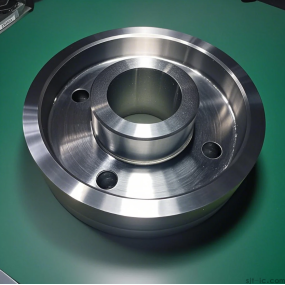
Steel wire winding wheels are important components used in industries such as wire production, cable manufacturing, metal processing, and automation equipment. These wheels must handle continuous rotation, heavy loads, and high-speed operation. Small errors in size, surface finish, or balance can lead to wire damage, machine vibration, and production delays.
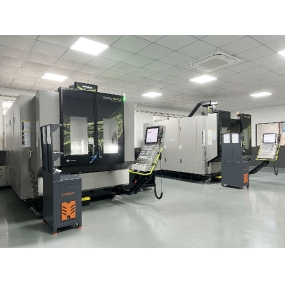
CNC machining of steel wire winding wheel provides a reliable solution for producing high-precision winding wheels with stable quality. By using advanced CNC equipment, manufacturers can control dimensions, machining accuracy, and surface performance to meet demanding industrial requirements.
Why Precision Matters in Steel Wire Winding Wheels
A steel wire winding wheel may look like a simple round part, but its manufacturing requirements are very strict. During operation, the wheel must guide and hold steel wire smoothly while maintaining consistent rotation speed.
Common problems caused by poor machining include:
- Uneven wire winding caused by inaccurate groove dimensions
- Excessive vibration caused by poor balance or incorrect machining tolerance
- Premature wear caused by unsuitable materials or rough surfaces
- Frequent machine downtime caused by unstable part quality
For this reason, manufacturers need a machining process that can provide repeatable accuracy. CNC machining allows engineers to create complex wheel structures while maintaining strict control over every production step.
Materials Selection for CNC Machining Steel Wire Winding Wheel
Choosing the correct material is one of the most important steps in producing a durable steel wire winding wheel. Different working conditions require different material properties, including strength, wear resistance, hardness, and machinability.
Common materials used for CNC machined steel wire winding wheels include:
- Carbon steel: A practical choice for general applications because it offers good strength and reasonable cost.
- Alloy steel: Suitable for heavy-duty environments where higher strength and impact resistance are required.
- Stainless steel: Used in applications requiring corrosion resistance, clean surfaces, or exposure to moisture.
- Tool steel: Selected when high hardness and excellent wear resistance are needed.
The right material depends on factors such as wire type, operating speed, load capacity, and working environment. A professional CNC machining supplier can help evaluate material options before production to avoid unnecessary costs and performance problems.
Advantages of CNC in Machining Steel Wire Winding Wheel
Compared with traditional machining methods, CNC technology offers better control and efficiency for manufacturing steel wire winding wheels.
- Higher machining accuracy: CNC machines can achieve consistent dimensions and tight tolerances, which improves wheel performance.
- Better repeatability: The same program can produce multiple parts with consistent quality.
- Complex design capability: CNC machining can create precise grooves, holes, and special structures that are difficult to achieve manually.
- Reduced human error: Automated machining processes reduce mistakes during production.
- Improved production efficiency: CNC equipment helps shorten processing time for both prototypes and large orders.
These advantages make CNC machining an ideal choice for customers who need reliable steel wire winding wheels for long-term industrial use.
Precision Control in CNC Machining Steel Wire Winding Wheel
Precision control is the key factor affecting the quality of a CNC machined winding wheel. A high-quality wheel requires accurate control of diameter, groove shape, concentricity, and surface finish.
Important quality control steps include:
- Engineering drawing review: Machining requirements, tolerances, and material specifications are confirmed before production.
- CNC programming optimization: Tool paths and cutting parameters are carefully adjusted to improve accuracy and surface quality.
- Process monitoring: Operators check machining conditions to prevent dimensional errors.
- Inspection after machining: Measuring equipment is used to verify critical dimensions before delivery.
For precision components like winding wheels, professional inspection helps reduce assembly problems and ensures stable operation in customers' equipment.
Challenges in CNC Machining Steel Wire Winding Wheel
Although CNC machining provides many benefits, manufacturing steel wire winding wheels still involves several technical challenges.
1. Maintaining Tight Tolerances
Large or heavy winding wheels can experience machining stress and deformation. Proper fixture design, cutting parameter adjustment, and inspection methods are necessary to maintain accuracy.
2. Choosing Suitable Cutting Tools
Steel materials can cause tool wear, especially during continuous machining. Selecting the correct cutting tools and machining conditions helps improve tool life and production stability.
3. Controlling Surface Quality
The wheel surface directly contacts the wire, so rough surfaces may damage the wire or reduce production efficiency. Proper finishing processes are needed to achieve smooth contact surfaces.
4. Managing Production Costs
High precision requirements may increase manufacturing costs. Manufacturers need to balance machining accuracy, material selection, production quantity, and processing methods.
Cost-Effective Strategies for CNC Machining Steel Wire Winding Wheel
High quality does not always mean high cost. With proper planning, companies can reduce expenses while maintaining reliable performance.
- Optimize the design: Simplifying unnecessary structures can reduce machining time and material waste.
- Select suitable materials: Using a material that matches the application avoids over-specification and unnecessary expense.
- Choose experienced manufacturers: Skilled CNC suppliers can reduce trial production problems and improve efficiency.
- Plan batch production: Larger production quantities can reduce the average machining cost per part.
- Use professional quality control: Preventing defective parts saves replacement and downtime costs.
How EMAR Supports CNC Machining of Steel Wire Winding Wheels
EMAR provides professional CNC machining services for industrial components, including customized steel wire winding wheels. With experience in precision machining, material processing, and quality inspection, EMAR helps customers turn engineering drawings into reliable finished parts.
The company focuses on understanding each customer's working conditions before production. This includes reviewing material requirements, machining difficulty, tolerance standards, and final application needs. Through professional CNC processing methods, EMAR aims to provide stable quality, reasonable production costs, and dependable delivery.
Whether customers need prototype development or batch manufacturing, working with an experienced CNC machining partner can help reduce production risks and improve product performance.
Conclusion
CNC machining of steel wire winding wheel is an effective manufacturing method for producing strong, accurate, and durable industrial components. From materials selection to precision control, every production step affects the final performance of the wheel.
Understanding the materials selection for CNC machining steel wire winding wheel, the advantages of CNC in machining steel wire winding wheel, and the challenges in CNC machining steel wire winding wheel helps companies make better manufacturing decisions. By applying proper machining strategies and working with experienced suppliers, businesses can achieve high-quality winding wheels with better cost control and long-term reliability.