CNC Mold Processing Technology: A Complete Guide to Modern Mold Manufacturing
CNC Mold Processing Technology has become an important solution for manufacturers that need accurate, reliable, and efficient mold production. As industries such as automotive, electronics, medical equipment, and consumer products continue to demand higher precision, traditional mold-making methods often cannot meet modern requirements.
Many companies face common challenges when choosing a mold processing method. They may not understand how CNC mold processing works, how it improves production quality, or what problems may appear during implementation. This guide explains the basics, benefits, challenges, and real-world applications of CNC Mold Processing Technology in simple language.
What Is CNC Mold Processing Technology?
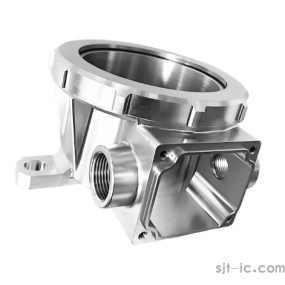
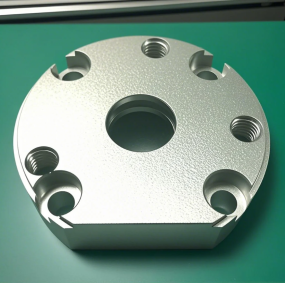
CNC Mold Processing Technology refers to the use of computer-controlled machines to manufacture molds with high precision. CNC machines follow programmed instructions to cut, drill, mill, and shape materials into complex mold designs.
Unlike manual processing methods, CNC technology uses digital models and automated control systems. This allows manufacturers to produce molds with consistent dimensions, smoother surfaces, and fewer human errors.
A typical CNC mold processing system includes:
- CAD/CAM design software: Creates and converts 3D mold designs into machine instructions.
- CNC Machining equipment: Performs accurate cutting and shaping operations.
- Quality inspection tools: Check mold dimensions and surface quality.
- Skilled technicians: Manage programming, machine operation, and process optimization.
Key Steps in CNC Mold Processing Technology
Understanding the key steps in CNC mold processing technology helps businesses evaluate suppliers and improve production planning. Although processes may vary depending on the mold type, most CNC mold manufacturing follows several important stages.
Mold design and planning: Engineers create a digital mold model according to product requirements. They consider factors such as material selection, mold structure, production volume, and machining difficulty.
Programming and simulation: CNC programmers convert the design data into machine instructions. Simulation helps identify possible machining problems before actual production begins.
Material preparation: Suitable materials such as steel, aluminum, or special alloys are selected based on strength, durability, and application needs.
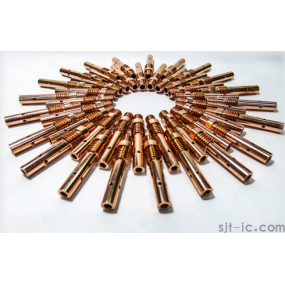
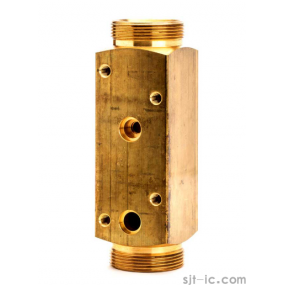
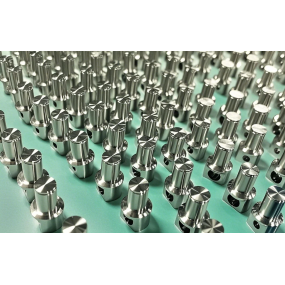
CNC machining: CNC milling, turning, drilling, and other operations are used to create precise mold components.
Finishing and inspection: After machining, molds may require polishing, surface treatment, assembly, and strict quality checks.
Following a controlled process reduces production risks and helps manufacturers achieve stable mold quality.
Advantages of CNC Mold Processing Technology
The advantages of CNC Mold Processing Technology make it a preferred choice for companies that need high-quality molds and efficient production.
Higher precision: CNC machines can achieve very tight tolerances, which is important for complex mold structures and detailed product designs.
Better consistency: Automated machining ensures that multiple molds or replacement parts maintain similar quality.
Faster production: CNC equipment can reduce manual operations and shorten manufacturing cycles.
Complex design capability: CNC technology can process complicated shapes that are difficult to create with traditional methods.
Lower long-term costs: Although initial investment may be higher, improved efficiency and reduced errors can lower overall production costs.
For manufacturers producing large quantities of plastic parts, metal components, or precision products, CNC mold processing provides a practical way to balance quality and efficiency.
Challenges in Implementing CNC Mold Processing Technology
While CNC mold processing offers many benefits, companies should also understand the challenges in implementing CNC mold processing technology before starting a project.
High equipment investment: Advanced CNC machines and related software require significant initial costs.
Technical expertise requirements: Skilled engineers and operators are needed to create programs, adjust machining parameters, and solve production issues.
Design accuracy requirements: Poor CAD data or unclear product specifications can lead to machining problems.
Material selection difficulties: Choosing the wrong mold material may affect durability, production efficiency, and maintenance costs.
Quality control pressure: Complex molds require strict inspection throughout the manufacturing process.
Working with an experienced CNC mold manufacturer can help companies overcome these challenges through professional engineering support and reliable production management.
Applications of CNC Mold Processing Technology
The applications of CNC Mold Processing Technology cover many industries because modern products often require precise and durable molds.
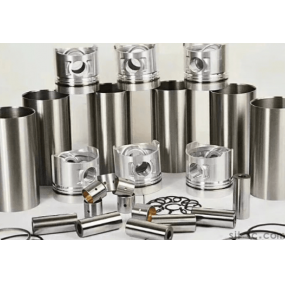
- Automotive industry: Used for producing injection molds, interior parts, engine components, and precision automotive tools.
- Electronics industry: Supports the manufacturing of phone parts, electronic housings, connectors, and small precision components.
- Medical industry: Helps create accurate molds for medical devices and laboratory equipment.
- Consumer products: Used for household items, packaging products, toys, and customized products.
- Aerospace industry: Provides high-precision molds and components where quality standards are extremely important.
As product designs become more complex, CNC mold processing technology continues to expand into new manufacturing fields.
How to Choose a Reliable CNC Mold Processing Partner
Selecting the right supplier is an important step for companies that need CNC mold processing services. A reliable partner should have strong technical capabilities, advanced equipment, and a clear quality control system.
Important factors to consider include:
- Experience with different mold types and industries
- Professional CNC programming and engineering capabilities
- Modern machining equipment and inspection tools
- Ability to support prototype and mass production needs
- Clear communication and project management processes
A supplier with proven experience can help reduce production risks and provide better solutions for complex mold projects.
EMAR's Proficiency in CNC Mold Processing Technology
With growing demand for precision manufacturing, EMAR focuses on providing professional CNC machining solutions and supporting customers with reliable mold processing services. EMAR's proficiency in CNC mold processing technology is reflected in its attention to machining accuracy, production efficiency, and quality control.
By combining advanced CNC equipment, experienced technical teams, and strict manufacturing processes, EMAR helps customers handle different mold processing requirements, from prototype development to larger production projects.
For companies looking for a CNC mold processing partner, working with a manufacturer that understands design requirements, machining challenges, and quality expectations can create long-term value.
Future Development of CNC Mold Processing Technology
CNC Mold Processing Technology continues to improve with advances in automation, intelligent manufacturing, and digital design. Future CNC systems are expected to offer better efficiency, smarter process control, and improved production accuracy.
Manufacturers that adopt advanced CNC mold processing methods can respond faster to market changes, create more complex products, and maintain higher quality standards. Understanding this technology is an important step for companies that want to stay competitive in modern manufacturing.