
Customized Hardware Sheet Metal Processing: A Complete Guide for Better Manufacturing Results
Customized hardware sheet metal processing is a manufacturing solution that helps companies create metal parts, cabinets, brackets, enclosures, frames, and other hardware products based on their specific designs and requirements. Unlike standard metal products, customized sheet metal parts are made to match exact sizes, shapes, functions, and application needs.
For businesses looking for reliable metal manufacturing, choosing the right processing partner is important. A professional supplier can help improve product quality, reduce production costs, and ensure smooth delivery. This guide explains the key factors of customized sheet metal processing, including design, materials, manufacturing methods, quality control, cost management, and practical applications.
What Is Customized Hardware Sheet Metal Processing?
Customized hardware sheet metal processing refers to the process of transforming metal sheets into designed products through cutting, bending, forming, welding, finishing, and assembly. The process is widely used in industries that need special metal structures instead of ready-made products.
Common customized sheet metal products include:
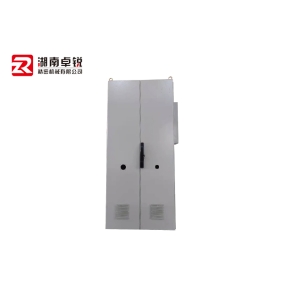
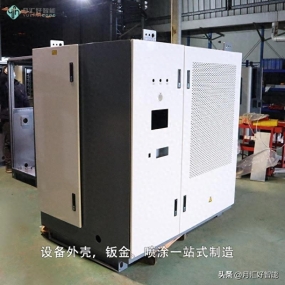
- Electrical equipment cabinets and control boxes
- Machine covers and protective frames
- Metal brackets and supports
- Industrial equipment parts
- Commercial display structures
- Automotive and electronic components
A professional manufacturer focuses on combining customer drawings, product functions, and production requirements to create accurate and practical solutions.
Important Design Considerations for Customized Sheet Metal Parts
Good design is the foundation of successful sheet metal manufacturing. Design-driven customized hardware sheet metal processing focuses on creating products that are not only attractive but also easy to manufacture, assemble, and maintain.
When preparing a sheet metal design, customers should consider the following points:
- Product size and shape: The dimensions should match the installation environment and usage requirements.
- Material thickness: The thickness affects strength, weight, and production cost.
- Bending requirements: Proper bending design helps avoid cracks and improves product durability.
- Assembly needs: Consider holes, slots, fasteners, and connection methods during the design stage.
- Surface requirements: Decide whether the product needs painting, powder coating, polishing, or other finishing methods.
For example, an industrial equipment manufacturer may need a protective metal enclosure that can withstand vibration and dust. A well-planned design can improve protection while keeping production costs reasonable.
Choosing the Right Materials for Sheet Metal Processing
Material selection directly affects product performance, appearance, and price. Material-optimized customized hardware sheet metal processing helps customers choose suitable materials according to their working environment and budget.
Common sheet metal materials include:
- Stainless steel: Suitable for applications requiring corrosion resistance, strength, and a clean appearance.
- Carbon steel: A cost-effective choice for general industrial parts and structures.
- Aluminum: Lightweight and suitable for products that need easy transportation or heat resistance.
- Galvanized steel: Provides better protection against rust for many outdoor applications.
The best material depends on factors such as operating conditions, required strength, production quantity, and final product purpose. Experienced manufacturers can provide suggestions to balance performance and cost.
Main Manufacturing Processes in Customized Hardware Sheet Metal Processing
Modern sheet metal production uses several processes to turn flat metal sheets into finished components. A reliable manufacturer combines advanced equipment with skilled workers to achieve stable results.
1. Cutting
Cutting is the first step in creating the basic shape of a metal part. Common methods include laser cutting, shearing, and other precision cutting technologies. Accurate cutting improves the following bending and assembly processes.
2. Bending and Forming
Bending changes flat metal sheets into three-dimensional shapes. Proper bending methods help maintain product strength and appearance while reducing material waste.
3. Welding and Assembly
Welding connects different metal pieces to create stronger structures. Careful welding ensures stable connections and improves product reliability.
4. Surface Treatment
Surface finishing improves appearance and protects products from corrosion, scratches, and environmental damage. Common treatments include powder coating, painting, polishing, and plating.
How Quality Control Ensures Reliable Sheet Metal Products
Quality control is one of the most important parts of high-quality customized hardware sheet metal processing. A professional supplier should have clear inspection procedures throughout the manufacturing process.
Important quality checks include:
- Checking raw material quality before production
- Inspecting cutting accuracy and product dimensions
- Checking bending angles and assembly accuracy
- Testing welding strength and surface quality
- Performing final inspections before shipment
For example, a custom electrical cabinet supplier must ensure that dimensions are accurate because even a small error can affect equipment installation. Strict quality management helps prevent delays and additional costs.
How to Achieve Cost-Effective Customized Sheet Metal Manufacturing
Many customers worry that customized products will be expensive. However, cost-efficient customized hardware sheet metal processing can reduce unnecessary expenses through better design, material planning, and production management.
Practical ways to control costs include:
- Choosing suitable materials instead of using overly expensive options
- Optimizing designs to reduce material waste
- Using efficient production methods for repeated orders
- Working with experienced manufacturers to avoid production mistakes
- Planning order quantities carefully
A good supplier does not simply offer the lowest price. The goal is to provide the best balance between quality, performance, delivery time, and total production cost.
Common Applications of Customized Hardware Sheet Metal Processing
Application-specific customized hardware sheet metal processing supports many industries because each field has different product requirements.
- Industrial automation: Metal frames, machine covers, and equipment cabinets.
- Electronics: Enclosures for control systems, instruments, and devices.
- Medical equipment: Precision metal structures requiring clean surfaces and reliable performance.
- Energy industry: Protective boxes and structural components.
- Commercial equipment: Display stands, cabinets, and customized hardware products.
For example, a technology company developing a new device may require a special metal enclosure that cannot be purchased from standard suppliers. Customized processing allows the company to create a product that matches its design and market needs.
Why Choose EMAR for Customized Hardware Sheet Metal Processing?
Selecting an experienced manufacturing partner can make the entire production process easier. EMAR provides customized hardware sheet metal processing services to help customers turn product ideas and drawings into reliable metal components.
EMAR focuses on practical manufacturing solutions, including design support, material selection, precision processing, quality inspection, and production management. By understanding customer requirements, EMAR helps create products that meet different industry standards and application needs.
Whether customers need small batches for product development or larger production orders, professional support can improve efficiency and reduce manufacturing risks.
Practical Tips for Choosing a Sheet Metal Processing Supplier
Before selecting a supplier, customers should evaluate several important factors:
- Check the company's manufacturing experience and previous projects.
- Confirm available processing capabilities and equipment.
- Ask about quality control procedures.
- Review communication ability and technical support.
- Compare total value instead of only focusing on price.
A trustworthy supplier should provide clear communication, stable quality, and dependable delivery. These factors help build long-term cooperation and reduce production problems.
Conclusion
Customized hardware sheet metal processing provides flexible solutions for companies that need special metal products with accurate designs and reliable performance. From material selection and product design to manufacturing and quality inspection, every step affects the final result.
By choosing a professional partner and applying smart design and cost management strategies, businesses can achieve durable, efficient, and affordable sheet metal solutions. With experience, technical knowledge, and customer-focused services, companies like EMAR help customers successfully complete customized metal manufacturing projects.