Discussion on the Application of Shenzhen Precision Parts Machining
Shenzhen has become one of the most important manufacturing centers for precision parts machining in the world. With advanced production technology, experienced engineers, skilled operators, and a complete supply chain, Shenzhen precision machining companies can produce high-accuracy components for many industries.
The application of Shenzhen precision parts machining is not limited to making simple metal parts. These machined components are used to improve product performance, ensure reliability, reduce production problems, and support innovation in industries such as electronics, automotive, aerospace, and medical equipment.
For companies looking for stable and high-quality precision manufacturing partners, understanding how these parts are applied is important. Companies such as EMAR have accumulated knowledge of precision machining processes and can support customers in developing and manufacturing precision components for different application fields.
1. Introduction to Shenzhen Precision Parts Machining Applications
Shenzhen is a major hub for precision parts machining because of its strong manufacturing foundation and connection with global markets. The city has developed a mature industrial environment that combines technology, production capacity, and supply chain advantages.
The strategic location of Shenzhen allows manufacturers to work closely with electronics companies, automotive suppliers, and technology enterprises. Its advanced transportation network also helps precision parts move quickly from factories to customers.
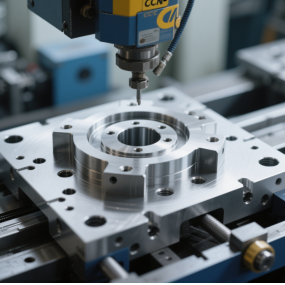
Another important advantage is Shenzhen's technological infrastructure. Many machining factories use advanced equipment such as CNC Machining centers, precision grinders, EDM machines, and automatic inspection systems. These technologies allow manufacturers to produce complex parts with very small tolerances.
In addition, Shenzhen has a large number of skilled engineers and technicians. Their experience in machining processes, quality control, and product development helps companies solve difficult manufacturing challenges.
2. Electronics Applications in Shenzhen Precision Parts Machining
The electronics industry is one of the largest application areas for Shenzhen precision parts machining. Modern electronic products require small, accurate, and reliable components. Precision machining helps manufacturers create parts that can fit perfectly into compact devices.
Consumer Electronics
Smartphones, tablets, and other consumer electronic products contain many precision-machined parts. For example, the metal frames of smartphones are usually manufactured through precision machining processes. These frames must be lightweight but strong enough to protect internal components.
The dimensions of the frame need to be extremely accurate because components such as the motherboard, battery, camera module, and display must fit correctly. Even a small size error can affect assembly quality and product performance.
Precision-machined connectors are also important in smartphones. These small components ensure stable electrical connections between different parts. They support functions such as charging, data transfer, and communication.
Wearable devices, including smartwatches and fitness trackers, also depend on precision machining. Because these products have very limited internal space, tiny screws, clips, and brackets must be manufactured with high accuracy.
For example, micro screws inside a smartwatch require accurate thread design and precise dimensions. Poor-quality screws may damage delicate components or reduce product reliability.
Industrial Electronics
Precision parts machining is also widely used in industrial electronics, including automation equipment, control systems, and communication devices.
In industrial automation systems, precision-machined shafts, housings, and mechanical parts help machines operate smoothly. For example, a precision-machined shaft inside an industrial robot joint allows accurate movement and reduces mechanical vibration.
Sensors used in automation equipment often require precision housings. These housings protect sensitive electronic components while maintaining accurate measurements.
In communication infrastructure, precision-machined components are used in routers, switches, and base stations. Heat sinks made from aluminum or copper are carefully designed and machined to remove heat efficiently.
Reliable heat management helps communication equipment operate continuously and reduces the risk of system failures.
3. Automotive Uses of Shenzhen Parts
The automotive industry requires precision components because vehicle safety, efficiency, and performance depend on accurate manufacturing. Shenzhen precision parts machining supports many automotive applications, from engine systems to interior and exterior components.
Engine Components
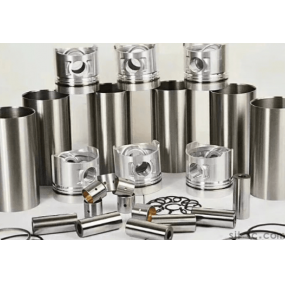
Engine parts such as pistons, cylinders, gears, and transmission components require very strict machining standards.
Pistons must fit accurately inside cylinders to create effective compression. Precision machining ensures that piston dimensions and surface finishes meet design requirements. A smooth piston surface reduces friction, improves engine efficiency, and helps extend service life.
Gears are another important example. The teeth of automotive gears must be accurately machined to provide smooth power transmission. In manual transmission systems, precision gears allow drivers to change speeds smoothly and efficiently.
Interior and Exterior Automotive Parts
Precision machining is also used for vehicle interior and exterior components. Door handles, dashboard parts, seat adjustment mechanisms, and decorative metal parts often require accurate dimensions and good surface quality.
A precision-machined door handle, for example, provides comfortable operation and reliable performance while improving the overall appearance of the vehicle interior.
For high-end vehicles, precision machining may also be used for custom body parts. Lightweight components, such as specially designed panels, can improve vehicle appearance while supporting weight reduction and performance goals.
4. Aerospace Applications of Shenzhen Machining
The aerospace industry has extremely strict requirements for precision, safety, and reliability. Aerospace applications of Shenzhen machining include engine components, structural parts, and aircraft systems.
Engine and Propulsion Systems
Aircraft engines operate under extreme temperatures and high-speed rotation. Components such as turbine blades and compressor parts must be manufactured with very high accuracy.
Turbine blades have complex shapes that require advanced machining technology. Small errors in size or surface quality can influence engine efficiency and safety.
Precision machining is also important for aircraft fuel injection systems. Fuel nozzles and valves must control fuel flow accurately to support efficient combustion.
Airframe and Structural Components
Aircraft structures require parts that are strong, lightweight, and precisely assembled. Precision-machined brackets, fasteners, and connection parts help ensure that wings and fuselage structures remain secure.
Landing gear components, including axles, wheels, and braking parts, also rely on precision machining. These parts must withstand strong forces during aircraft takeoff and landing.
5. Medical Applications in Shenzhen Precision Parts Machining
The medical industry is another important field where precision machining provides valuable solutions. Medical products require high accuracy because they directly affect safety and performance.
Surgical Instruments
Surgical tools such as scalpels, forceps, and scissors need sharp edges, smooth surfaces, and comfortable designs. Precision machining allows manufacturers to create fine cutting edges and accurate shapes.
For example, a precision-machined scalpel blade can provide cleaner and more controlled cutting during medical procedures.
Implantable Medical Devices
Medical implants such as hip implants, knee implants, and dental implants require precise dimensions and excellent surface quality.
Precision machining helps create implants with accurate shapes so they can fit properly inside the human body. Proper machining quality also supports better interaction between the implant and surrounding tissues.
Diagnostic Equipment
Medical imaging equipment, including CT scanners, X-ray machines, and MRI systems, also uses precision-machined parts.
For example, the moving structures inside a CT scanner need accurate machining to maintain stable movement and produce clear images. Precision components help medical equipment achieve reliable operation.
6. Advantages of Shenzhen for Machining
Many global companies choose Shenzhen for precision manufacturing because the city combines technology, talent, and supply chain advantages.
Advanced Technology and Equipment
Shenzhen machining companies use advanced equipment such as CNC machining centers, EDM machines, and high-precision measurement tools. These machines can produce complex components with micron-level accuracy.
For example, CNC milling equipment can manufacture small mechanical parts with consistent dimensions, which is important for industries requiring strict quality control.
Skilled Workforce
A strong workforce is one of the biggest advantages of Shenzhen for machining. Engineers, CNC programmers, and technicians understand precision manufacturing processes and can improve production efficiency.
Experienced CNC programmers can optimize machining paths, reduce processing time, and improve surface quality. Their knowledge helps manufacturers handle complex customer requirements.
Complete Industrial Chain
Shenzhen has a complete precision machining ecosystem, including raw material suppliers, tooling companies, surface treatment providers, and assembly services.
This complete industrial chain allows manufacturers to shorten production cycles and provide flexible solutions. A precision parts company can quickly obtain materials, complete machining, and arrange finishing processes such as anodizing or plating.
Conclusion
The application of Shenzhen precision parts machining covers many important industries, including electronics, automotive, aerospace, and medical fields. These precision components improve product accuracy, reliability, safety, and performance.
With advanced equipment, skilled professionals, and a complete manufacturing network, Shenzhen continues to play an important role in global precision manufacturing. Companies with experience in precision machining, such as EMAR, can help customers transform design ideas into reliable components and support the development of high-quality products across different industries.