How can I determine whether the quality of a CNC processing plant is reliable?
Choosing the right CNC processing plant is an important decision for any company that needs precision parts. Many buyers worry about receiving parts with incorrect dimensions, poor surface finishes, delayed delivery, or inconsistent quality. So, How can I determine whether the quality of a CNC processing plant is reliable?
A reliable CNC processing plant should have advanced equipment, skilled employees, strict quality control processes, strong project management, and a proven track record. High-quality CNC processing can help you create products that meet your design requirements and improve your market competitiveness. On the other hand, working with an unreliable supplier can lead to wasted materials, production delays, increased costs, and damage to your business reputation.
This guide explains the key factors you should check before choosing a CNC processing partner and the warning signs that may indicate quality problems.
1. Check the Equipment and Technology of the CNC Processing Plant
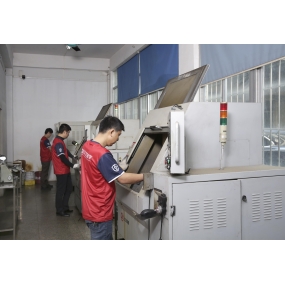
The first step in evaluating a CNC processing plant is checking its equipment and technical capabilities. Modern CNC machines directly affect machining accuracy, production efficiency, and the ability to produce complex parts.
Modern CNC Machines
A reliable plant should invest in advanced CNC equipment. Modern machines often include high-precision positioning systems, multi-axis machining capabilities, automatic tool changing systems, and improved processing speed.
For example, a plant using five-axis CNC machines can manufacture complex components from multiple angles in one setup. This is especially important for industries such as aerospace, medical devices, and automotive manufacturing, where parts often require complicated shapes and very tight tolerances.
When visiting or communicating with a CNC processing plant, ask questions such as:
- What types of CNC machines do you use?
- How many years of service do your machines have?
- Can your equipment handle the materials and precision requirements of my project?
- Do you have equipment for reliable CNC plants that can support complex machining needs?
A professional CNC manufacturer, such as EMAR, focuses on maintaining advanced machining capabilities and suitable production equipment to support different customer requirements, from prototypes to mass production.
Regular Equipment Maintenance
Even advanced machines cannot guarantee quality without proper maintenance. A reliable CNC plant should have a documented maintenance system that includes regular machine inspections, calibration, cleaning, and replacement of worn parts.
For example, a CNC lathe that receives regular maintenance can continue producing parts with stable diameters and consistent surface finishes. However, a poorly maintained machine may create problems such as inaccurate dimensions, vibration marks, or unexpected production interruptions.
You can ask the supplier:
- How often are CNC machines inspected?
- Are measuring tools regularly calibrated?
- Are maintenance records available?
2. Evaluate the Skilled Workforce in CNC Processing
Machines are important, but people are equally important. The experience and knowledge of operators, programmers, and engineers directly influence CNC processing quality.
Operator Expertise
Experienced CNC operators understand how to set up machines correctly, select suitable cutting parameters, and solve unexpected problems during production.
For example, when machining aluminum, stainless steel, or titanium, an experienced operator knows how to adjust cutting speed, feed rate, and tooling methods to avoid defects. A beginner may create problems such as tool damage, poor surface quality, or inaccurate dimensions.
A reliable plant should have a skilled workforce in CNC processing that can handle different materials, machining methods, and customer requirements.
Employee Training Programs
Technology changes quickly, so continuous employee training is a sign of a professional CNC processing plant. Good suppliers regularly train employees on:
- New CAD/CAM software
- Advanced machining techniques
- Quality inspection methods
- Production safety procedures
For example, when a plant introduces new CAM software, trained employees can create more accurate tool paths and reduce machining errors.
3. Review Quality Control in CNC Plants
Quality control is one of the most important factors when choosing a CNC processing supplier. A reliable company should not only check finished products but also control quality during the entire production process.
In-Process Inspection
In-process inspection means checking parts during machining instead of waiting until production is complete. This helps identify problems early and prevents large numbers of defective parts.
For example, when producing a precision metal component, an operator may measure the part after rough machining and again after finishing operations. If the dimensions are incorrect, adjustments can be made immediately.
Ask the CNC plant:
- Do you inspect parts during production?
- What measuring tools do you use?
- How do you handle machining problems?
Final Inspection and Testing
A reliable CNC plant should have a complete final inspection process before delivery. This may include:
- Dimensional measurement
- Surface finish inspection
- Material verification
- Functional testing when required
Advanced inspection equipment, such as coordinate measuring machines (CMM), helps ensure that parts meet customer drawings and tolerance requirements.
Strong quality control in CNC plants shows that a supplier takes product reliability seriously. Companies like EMAR use structured inspection procedures to help ensure consistent machining quality for customer projects.
4. Analyze the Past Performance of CNC Plants
A CNC processing plant's previous work can reveal a lot about its real capabilities. Before making a decision, ask for evidence of successful projects.
Portfolio and Case Studies
Review examples of parts the plant has produced. A strong portfolio should include projects similar to your own needs.
For example, if you need precision automotive parts, a supplier with experience producing automotive components is more likely to understand your requirements, including tolerance control, material selection, and production schedules.
Important questions include:
- Have you produced similar parts before?
- Which industries do you mainly serve?
- Can you provide examples of challenging projects you completed?
Customer References
Talking with previous customers is one of the best ways to evaluate reliability. Previous clients can share information about:
- Product quality
- Delivery performance
- Communication efficiency
- Problem-solving ability
Positive feedback from long-term customers is a strong sign that the CNC plant can consistently deliver good results.
5. Examine Management in Reliable CNC Plants
Good management creates stable production processes. Even a plant with excellent machines may struggle if its organization is poor.
Quality Management System
A reliable CNC processing plant should have a clear quality management system. Certifications such as ISO 9001 show that the company follows recognized quality procedures.
A good management system helps control:
- Production planning
- Quality inspection
- Material tracking
- Customer communication
- Continuous improvement
Plants with effective management in reliable CNC plants are more likely to provide stable quality and predictable delivery times.
Organization and Communication
Communication problems are a common cause of project delays. A reliable supplier should provide clear updates and respond quickly when design changes or production issues appear.
For example, if a customer needs to modify a drawing before production starts, a well-organized CNC plant should quickly review the impact on cost, schedule, and manufacturing methods.
6. Watch Out for These Red Flags
Besides checking positive factors, you should also identify possible warning signs before working with a CNC processing plant.
Lack of Transparency
A supplier that refuses to explain its production process, show equipment information, or describe inspection methods may have quality risks.
A professional CNC plant should be open about:
- Production capabilities
- Equipment conditions
- Quality procedures
- Previous experience
High Employee Turnover
Frequent employee changes can affect machining consistency. Experienced operators understand machine behavior, materials, and customer expectations. Losing skilled workers often increases the risk of quality problems.
If a plant constantly has new operators and cannot explain its employee training process, further investigation is recommended.
Unclear Pricing and Delivery Promises
Extremely low prices or unrealistic delivery times can also be warning signs. Reliable CNC processing requires proper materials, skilled workers, machine time, and inspection costs.
A supplier that promises very fast delivery at a very low price may reduce quality control or use unsuitable production methods.
Conclusion: Choose a CNC Processing Partner Based on Evidence
Determining whether a CNC processing plant is reliable requires more than checking price alone. You should evaluate equipment, employee skills, quality systems, past projects, management practices, and transparency.
A trustworthy CNC processing partner should have modern machines, experienced employees, strict inspection procedures, and a strong history of successful projects. By carefully reviewing these factors, you can reduce production risks and build a long-term manufacturing partnership.
EMAR is committed to providing reliable CNC processing services through advanced equipment, experienced technical teams, strict quality control, and organized production management. These capabilities help customers receive precision parts that meet their performance and quality expectations.