Precision Parts Machining: Processes, Importance, Quality Control, and Applications
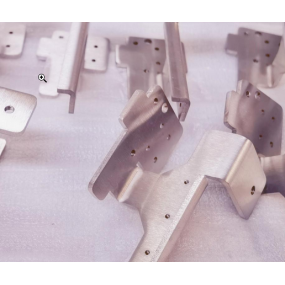
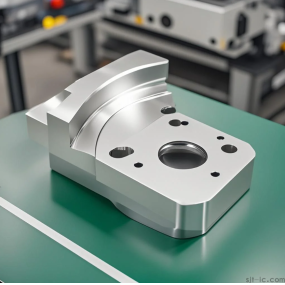
Precision parts machining is a manufacturing method used to create parts with extremely accurate dimensions, tight tolerances, and high-quality surface finishes. Many industries depend on precision-machined parts because even a small error in size or shape can affect the performance, safety, and reliability of a final product.
From aerospace engines to medical devices and automotive systems, precision parts play an important role in modern manufacturing. Understanding how precision parts machining works, why accuracy matters, and how manufacturers control quality can help businesses choose the right machining partner and avoid costly production problems.
What Is Precision Parts Machining?
Precision parts machining refers to the process of manufacturing mechanical components with very high accuracy. It uses advanced machines, computer-controlled systems, and professional machining techniques to produce parts according to strict design requirements.
Unlike ordinary machining, precision parts machining focuses on achieving extremely small differences between the designed size and the actual finished part. These differences are called tolerances. When a part has tighter tolerances, it means the manufacturer must control every detail more carefully.
For example, in the aerospace industry, turbine blades inside aircraft engines must have very precise shapes and dimensions. A small machining error could reduce engine efficiency or create safety risks. Precision machining ensures that these critical components perform correctly under extreme conditions.
The Importance of Precision in Parts Machining
The importance of precision in parts machining can be seen in product performance, assembly accuracy, and long-term reliability. High-precision parts are not only about appearance; they directly affect how a complete system works.
Improving Product Functionality
Precision-machined components help finished products operate smoothly and safely. In the medical industry, for example, surgical tools require extremely accurate edges and shapes. A precisely machined surgical instrument allows doctors to perform procedures more accurately and reduces the chance of errors.
In electronics, precision components allow small parts to fit correctly inside compact devices. Without accurate machining, products may experience poor performance, vibration, overheating, or early failure.
Ensuring Accurate Assembly and Fit
Many machines contain hundreds or thousands of individual parts. Each component must fit together correctly during assembly. Precision parts machining helps manufacturers produce parts that match design specifications.
For example, an automotive engine requires pistons and cylinders with accurate dimensions. If the piston size is incorrect, it may cause oil leakage, lower engine power, or damage other components. Precision machining prevents these problems by maintaining consistent part accuracy.
Key Processes in Precision Parts Machining
The processes in precision parts machining usually include several advanced manufacturing methods. The selected process depends on the material, design complexity, required accuracy, and production quantity.
CNC Machining
Computer Numerical Control (CNC) machining is one of the most common methods used for precision manufacturing. CNC machines use computer programs to control cutting tools with high accuracy.
For example, when producing precision gears, a CNC milling machine can cut each gear tooth according to exact digital instructions. This allows manufacturers to create many identical parts with consistent quality.
The main advantages of CNC machining include:
- High dimensional accuracy
- Excellent repeatability for mass production
- Ability to manufacture complex shapes
- Reduced human error during operation
Grinding
Grinding is a finishing process used when a part requires very smooth surfaces and extremely tight tolerances. A grinding machine removes very small amounts of material to achieve the final size and surface quality.
For example, optical components such as precision lenses require careful grinding to achieve the correct shape and smoothness. Grinding is also widely used for precision shafts, bearings, and other components requiring excellent surface performance.
Turning and Other Machining Methods
Turning is another important process in precision parts machining. It is commonly used to create round components such as shafts, pins, and bushings. During turning, a cutting tool removes material while the workpiece rotates.
Other methods, including milling, drilling, and electrical discharge machining (EDM), may also be used depending on the complexity and requirements of the part.
Quality Control in Precision Parts Machining
The quality control in precision parts machining process determines whether finished parts meet customer requirements. Because precision components often work in critical applications, manufacturers must carefully check accuracy at every stage.
In-Process Inspection
In-process inspection means checking parts during machining instead of waiting until production is complete. Operators measure important features such as size, shape, and surface finish while the work is being performed.
For example, after a turning operation, a technician may use a micrometer to check the diameter of a shaft. If the measurement is outside the required tolerance, adjustments can be made immediately.
This approach reduces waste, prevents defective parts, and improves production efficiency.
Final Inspection
Before delivery, precision parts must go through final inspection. Advanced measuring equipment, such as Coordinate Measuring Machines (CMMs), can check complex dimensions, angles, and surface accuracy.
For aerospace components, for example, a CMM can verify that every critical measurement matches the original design requirements. Only qualified parts should be delivered to customers.
Applications of Precision Parts Machining
The applications of precision parts machining cover many industries where accuracy and reliability are essential.
Aerospace Industry
The aerospace industry depends heavily on precision-machined components. Parts such as turbine blades, engine shafts, and landing gear components must meet strict quality standards.
A precisely manufactured turbine blade can improve engine efficiency and help aircraft operate safely under demanding conditions.
Medical Industry
Medical equipment requires extremely reliable and accurate parts. Precision machining is used to manufacture surgical tools, implants, and diagnostic equipment.
For example, a hip implant must have accurate dimensions and a smooth surface so it can fit properly and reduce the risk of complications.
Automotive and Electronics Industries
Automotive manufacturers use precision-machined parts for engines, transmissions, and safety systems. Electronics companies also rely on precision components because modern devices require smaller and more accurate internal parts.
Materials for Precision Parts Machining
The materials for precision parts machining depend on the working environment, strength requirements, weight limitations, and cost considerations.
Metals
Common metal materials include steel, aluminum, and titanium.
- Steel: Provides high strength and durability, making it suitable for heavy-load applications.
- Aluminum: Lightweight and easy to machine, often used in aerospace and electronics products.
- Titanium: Offers excellent strength-to-weight ratio and corrosion resistance, making it useful for medical and aerospace applications.
Ceramics and Plastics
Ceramics are selected for applications requiring high-temperature resistance and excellent wear resistance. Plastics are often used when electrical insulation, low weight, or flexibility is needed.
For example, precision-machined plastic components are widely used inside electronic products because they can provide accurate fitting while reducing overall weight.
How EMAR Supports High-Quality Precision Parts Machining
Choosing an experienced machining partner is important when producing parts with strict accuracy requirements. EMAR focuses on providing reliable precision parts machining solutions for customers who need consistent quality and professional manufacturing support.
Advanced Machining Capabilities
EMAR uses advanced machining equipment and experienced technicians to produce precision components according to customer drawings and specifications. By combining CNC machining, grinding, and professional production methods, EMAR can support projects that require tight tolerances and complex designs.
For industries such as automotive, electronics, and semiconductor manufacturing, advanced machining technology helps achieve stable quality and efficient production.
Strong Quality Assurance System
Quality control is a key part of EMAR’s manufacturing process. Through in-process checks and final inspections with professional measuring equipment, EMAR works to ensure every precision part meets required standards.
For customers, this means receiving reliable components that are accurate, consistent, and suitable for demanding applications.
How to Choose the Right Precision Parts Machining Partner
When selecting a precision machining supplier, customers should consider several factors:
- Experience with similar precision machining projects
- Available CNC equipment and manufacturing technology
- Quality inspection methods and certification systems
- Ability to work with different materials
- Communication ability and production reliability
A capable manufacturer can help reduce production risks, improve product performance, and provide precision parts that meet long-term application needs.
Conclusion
Precision parts machining is essential for industries that require accurate, reliable, and high-performance components. From CNC machining and grinding to strict quality inspections, every step affects the final product quality.
Understanding the importance of precision in parts machining, machining processes, quality control methods, applications, and material choices helps businesses make better manufacturing decisions. With advanced technology and professional experience, companies like EMAR can provide high-quality precision parts that support modern industrial development.