
Semiconductor Parts CNC Machining: Precision That Powers Modern Electronics
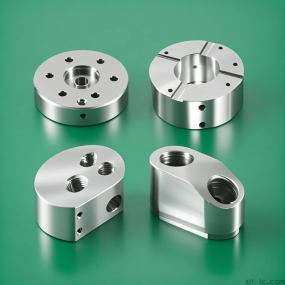
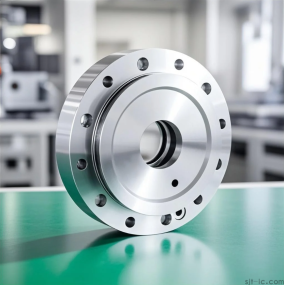
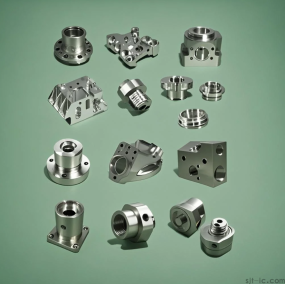
Semiconductors are at the heart of almost every modern device—from smartphones and laptops to medical systems and electric vehicles. Behind these technologies, Semiconductor Parts CNC Machining plays a critical role in producing highly accurate components that keep devices running smoothly.
Why Semiconductor CNC Machining Matters
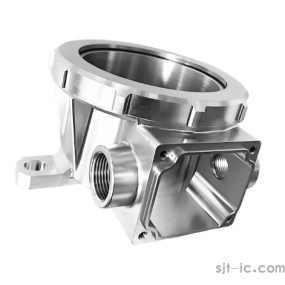
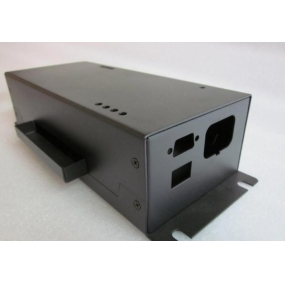
In semiconductor manufacturing, even a tiny error can lead to serious performance problems. Chips, wafer handling parts, vacuum chamber components, and precision housings all require extremely tight tolerances. This is where precision in semiconductor parts CNC machining becomes essential.
CNC machining helps manufacturers achieve consistent accuracy, repeatability, and clean surface finishes that are difficult to reach with traditional methods.
Real Challenges in Semiconductor Parts CNC Machining
Working in this industry is not simple. Many manufacturers face several challenges in semiconductor parts CNC machining:
- Ultra-high precision requirements: Tolerances often reach micron levels.
- Material sensitivity: Some materials are difficult to cut without deformation or contamination.
- Surface cleanliness: Even small particles can affect semiconductor performance.
- Complex geometries: Many parts require intricate internal structures.
These challenges demand advanced machines, skilled engineers, and strict quality control systems.
Materials Used in Semiconductor CNC Machining
Choosing the right material is a key step in production. Common materials for semiconductor parts CNC machining include:
- Aluminum alloys for lightweight and thermal stability
- Stainless steel for corrosion resistance and strength
- Ceramics for high-temperature and wear resistance
- Quartz and specialty plastics for insulation and chemical stability
Each material requires different machining strategies to ensure accuracy and avoid damage.
How CNC Machining Improves Semiconductor Manufacturing
Modern CNC technology offers several advantages that directly support semiconductor production:
- High repeatability for mass production
- Stable accuracy even in complex shapes
- Reduced human error
- Improved surface finish quality
These benefits help manufacturers reduce production risks and improve product reliability in highly competitive industries.
Quality Control: The Key to Reliable Semiconductor Parts
In semiconductor manufacturing, quality is not optional—it is mandatory. Reliable CNC machining processes include multiple inspection steps such as coordinate measuring machines (CMM), optical inspection, and surface testing.
This ensures every component meets strict industry standards before delivery.
How EMAR Supports Semiconductor CNC Machining Needs
As demand for precision components grows, companies like EMAR provide specialized CNC machining services tailored for the semiconductor industry. With advanced equipment and experienced engineers, EMAR focuses on delivering stable quality, tight tolerances, and reliable production support.
Whether it is prototype development or large-scale production, EMAR aims to help customers reduce risk, improve efficiency, and maintain consistent part quality in demanding semiconductor applications.
Conclusion
Semiconductor Parts CNC Machining is a foundation of modern technology manufacturing. From precision requirements to material selection and strict quality control, every step matters.
By understanding the key challenges and solutions, manufacturers can achieve better performance and reliability. With professional partners like EMAR, businesses can more easily meet the high standards of the semiconductor industry.
Semiconductor Parts CNC Machining: Precision That Powers Modern Electronics
Semiconductors are at the heart of almost every modern device—from smartphones and laptops to medical systems and electric vehicles. Behind these technologies, Semiconductor Parts CNC Machining plays a critical role in producing highly accurate components that keep devices running smoothly.
Why Semiconductor CNC Machining Matters
In semiconductor manufacturing, even a tiny error can lead to serious performance problems. Chips, wafer handling parts, vacuum chamber components, and precision housings all require extremely tight tolerances. This is where precision in semiconductor parts CNC machining becomes essential.
CNC machining helps manufacturers achieve consistent accuracy, repeatability, and clean surface finishes that are difficult to reach with traditional methods.
Real Challenges in Semiconductor Parts CNC Machining
Working in this industry is not simple. Many manufacturers face several challenges in semiconductor parts CNC machining:
- Ultra-high precision requirements: Tolerances often reach micron levels.
- Material sensitivity: Some materials are difficult to cut without deformation or contamination.
- Surface cleanliness: Even small particles can affect semiconductor performance.
- Complex geometries: Many parts require intricate internal structures.
These challenges demand advanced machines, skilled engineers, and strict quality control systems.
Materials Used in Semiconductor CNC Machining
Choosing the right material is a key step in production. Common materials for semiconductor parts CNC machining include:
- Aluminum alloys for lightweight and thermal stability
- Stainless steel for corrosion resistance and strength
- Ceramics for high-temperature and wear resistance
- Quartz and specialty plastics for insulation and chemical stability
Each material requires different machining strategies to ensure accuracy and avoid damage.
How CNC Machining Improves Semiconductor Manufacturing
Modern CNC technology offers several advantages that directly support semiconductor production:
- High repeatability for mass production
- Stable accuracy even in complex shapes
- Reduced human error
- Improved surface finish quality
These benefits help manufacturers reduce production risks and improve product reliability in highly competitive industries.
Quality Control: The Key to Reliable Semiconductor Parts
In semiconductor manufacturing, quality is not optional—it is mandatory. Reliable CNC machining processes include multiple inspection steps such as coordinate measuring machines (CMM), optical inspection, and surface testing.
This ensures every component meets strict industry standards before delivery.
How EMAR Supports Semiconductor CNC Machining Needs
As demand for precision components grows, companies like EMAR provide specialized CNC machining services tailored for the semiconductor industry. With advanced equipment and experienced engineers, EMAR focuses on delivering stable quality, tight tolerances, and reliable production support.
Whether it is prototype development or large-scale production, EMAR aims to help customers reduce risk, improve efficiency, and maintain consistent part quality in demanding semiconductor applications.
Conclusion
Semiconductor Parts CNC Machining is a foundation of modern technology manufacturing. From precision requirements to material selection and strict quality control, every step matters.
By understanding the key challenges and solutions, manufacturers can achieve better performance and reliability. With professional partners like EMAR, businesses can more easily meet the high standards of the semiconductor industry.