
Stamping Method for Metal Parts: A Practical Guide to Choosing the Right Process
When manufacturers need large quantities of accurate metal components, choosing the right stamping method for metal parts is an important decision. The correct stamping process can improve production efficiency, reduce costs, and maintain consistent part quality. However, many customers face challenges when selecting a suitable method because different metals, designs, and production requirements need different solutions.
This guide explains common stamping methods, their benefits, and key factors to consider before production. It also covers how modern technologies are improving metal part manufacturing and how processes such as CNC Machining can support complex and high-precision projects.
Why Choosing the Right Stamping Method for Metal Parts Matters
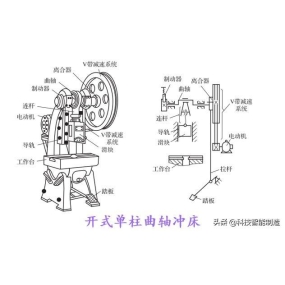
Metal stamping is a manufacturing process that uses a press machine and special dies to shape metal sheets into specific forms. It is widely used in industries such as automotive, electronics, medical equipment, aerospace, and industrial machinery.
A common problem for buyers is choosing a stamping process only based on price. A low-cost method may create issues later, including poor accuracy, material waste, slow production speed, or frequent tooling adjustments. Understanding the process options helps companies avoid these problems.
The right stamping method should match:
- The type and thickness of the metal material
- The complexity of the part design
- The required production quantity
- The required surface quality and dimensional accuracy
- The expected delivery time and budget
Types of Stamping Methods for Metal Parts
There are several types of stamping methods for metal parts, and each method has specific applications. Selecting the correct process can greatly influence production results.
1. Progressive Die Stamping
Progressive die stamping uses a continuous metal strip that moves through multiple stations. Each station performs a different operation, such as cutting, bending, or forming.
This method is ideal for high-volume production because it offers fast processing speed and consistent quality. It is commonly used for small precision components in electronics, automotive systems, and appliances.
2. Deep Drawing Stamping
Deep drawing forms flat metal sheets into deep, hollow shapes. This method is suitable for products such as containers, housings, and cylindrical components.
The main challenge is preventing cracks or deformation during forming. Proper material selection, die design, and process control are necessary to achieve reliable results.
3. Transfer Stamping
Transfer stamping moves individual parts between different dies during production. It is suitable for larger components that require multiple forming steps.
This method provides flexibility for complex parts while maintaining good production efficiency.
4. Precision Stamping
Precision stamping focuses on producing parts with very tight tolerances and excellent repeatability. It is commonly used when components require accurate dimensions and reliable performance.
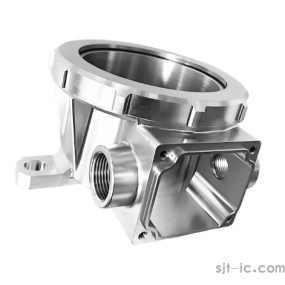
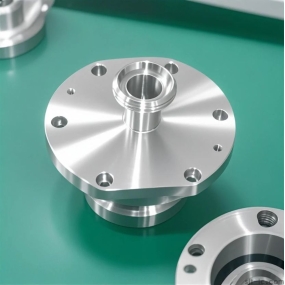
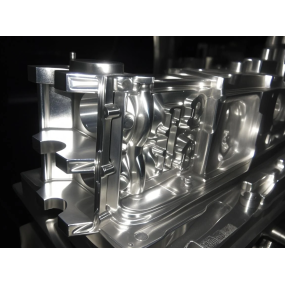
For projects requiring extremely complex geometries, manufacturers may combine stamping with CNC machining. CNC processing can create detailed features that are difficult to achieve through stamping alone.
Advantages of Different Stamping Methods for Metal Parts
Understanding the advantages of different stamping methods for metal parts helps companies select the best manufacturing solution.
- High production speed: Stamping can produce thousands of identical parts quickly, making it suitable for mass production.
- Good material utilization: Proper die design reduces metal waste and improves cost control.
- Stable quality: Automated stamping equipment can maintain consistent part dimensions.
- Lower labor requirements: Modern stamping systems reduce manual operations and improve efficiency.
- Wide material compatibility: Stamping can process materials such as stainless steel, aluminum, copper, and carbon steel.
However, stamping is not always the best choice for every project. Low-volume production or highly complex parts may require additional processes such as CNC milling, CNC turning, or customized machining.
How to Improve Precision in Stamping Metal Parts
Precision in stamping metal parts depends on several factors. Even a high-quality stamping machine cannot produce accurate parts without proper design and process control.
Important factors include:
- High-quality tooling: Precision dies reduce dimensional errors and improve product consistency.
- Material control: Different metals have different strength and forming characteristics.
- Machine stability: Well-maintained equipment improves repeatability.
- Quality inspection: Measuring tools and inspection procedures help identify problems early.
- Professional engineering support: Experienced engineers can optimize designs before production begins.
For customers who need both stamped and machined components, EMAR provides CNC processing services that support complex manufacturing requirements. CNC machining can be used for secondary operations, prototypes, small-batch production, and parts requiring additional accuracy after stamping.
Cost-Effectiveness of Stamping Methods for Metal Parts
The cost-effectiveness of stamping methods for metal parts depends on more than the initial production price. Companies should consider the complete manufacturing cost, including tooling, material usage, labor, inspection, and long-term production efficiency.
For large quantities, stamping usually provides excellent cost advantages because the same die can produce many identical parts. However, for small production runs, expensive tooling costs may increase the overall budget.
A practical approach is to evaluate:
- Expected production volume
- Part complexity
- Required accuracy
- Material cost
- Future production needs
Working with an experienced manufacturing partner can help companies choose between stamping, CNC machining, or a combined solution to achieve better value.
New Trends in Stamping Methods for Metal Parts
The manufacturing industry is continuously improving. Several new trends in stamping methods for metal parts are helping companies achieve higher quality and faster production.
- Automation and smart production: Automated systems improve production speed and reduce human error.
- Advanced simulation technology: Digital testing helps engineers optimize die designs before manufacturing.
- Combination manufacturing: Stamping and CNC machining are increasingly combined to handle more complex components.
- Improved material processing: New techniques allow manufacturers to work with lightweight and high-strength materials.
- Better quality monitoring: Real-time inspection systems improve consistency during production.
How to Select a Reliable Metal Part Manufacturing Partner
Choosing the right supplier is just as important as choosing the right stamping method. A reliable manufacturer should have strong engineering knowledge, modern equipment, and strict quality control procedures.
Before starting a project, customers should ask:
- Does the supplier understand my material and design requirements?
- Can they provide prototype or sample production?
- Do they have inspection equipment for quality verification?
- Can they support additional machining processes if needed?
- Do they have experience with similar industry applications?
EMAR focuses on precision manufacturing solutions, including CNC processing services for customers who require accurate metal components and customized production support. Combining advanced machining capabilities with professional engineering experience helps customers solve complex manufacturing challenges.
Conclusion
Selecting the correct stamping method for metal parts can directly affect product quality, production efficiency, and total manufacturing costs. Different stamping processes have different strengths, so the best choice depends on part design, material, quantity, and accuracy requirements.
By understanding stamping options and working with an experienced manufacturer, companies can achieve reliable results while reducing unnecessary costs. For projects that require additional precision or complex features, CNC machining can provide valuable support alongside traditional stamping processes.