
T - shaped circular Sheet Metal Processing: Techniques, Materials, Design, and Quality Guide
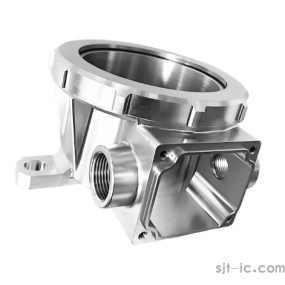
T - shaped circular sheet metal processing is a specialized sheet metal manufacturing method used to create parts with a T-shaped structure combined with a circular design. These parts are widely used in machinery, automotive components, industrial equipment, electrical enclosures, and many other applications.
Understanding this process helps buyers, engineers, and manufacturers choose the right materials, production methods, and suppliers. A reliable processing partner can help turn a simple drawing into a durable and accurate metal component while controlling production costs.
What is T - shaped circular sheet metal processing?
T - shaped circular sheet metal processing involves shaping flat metal sheets into components that have both a circular section and a T-shaped connection or support structure. The process usually includes several steps, such as cutting the sheet, forming the required shape, joining different sections, and checking the final quality.
This type of processing is often used when a part needs both strength and a special structure. For example, a circular base with a T-shaped support may be used in equipment frames, mounting brackets, ventilation systems, or industrial machines.
Techniques for T - shaped circular sheet metal processing
The production method depends on the part design, material, thickness, and required accuracy. Common techniques include cutting, bending, and welding.
1. Cutting process
Cutting is the first step in many sheet metal projects. Manufacturers cut the raw metal sheet into the required shapes before forming.
- Laser cutting: Provides accurate edges and is suitable for complex T-shaped designs.
- CNC cutting: Uses computer-controlled machines to produce consistent parts for large orders.
- Shearing: Works well for simple straight cuts and basic shapes.
Choosing the right cutting method helps reduce material waste and improves production efficiency.
2. Bending and forming process
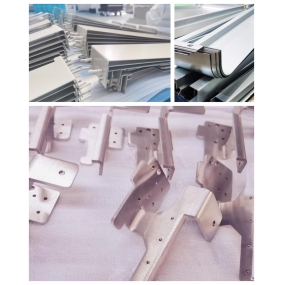
Bending gives the flat metal sheet its final three-dimensional shape. During T - shaped circular sheet metal processing, manufacturers carefully control bending angles to make sure the circular section and T-shaped structure match the design requirements.
Professional equipment helps prevent problems such as uneven curves, cracks, or incorrect dimensions.
3. Welding and joining
When a T-shaped circular part requires multiple metal sections, welding is often used to connect them. Proper welding creates a strong and stable structure.
Common welding methods include:
- TIG welding for clean and precise joints.
- MIG welding for efficient production.
- Spot welding for certain thin sheet metal applications.
Experienced technicians select the correct welding method according to the material and product requirements.
Material selection for T - shaped circular sheet metal processing
Choosing the right material is an important part of successful sheet metal production. Different materials provide different levels of strength, corrosion resistance, weight, and cost.
Common material choices include:
- Stainless steel: Suitable for applications requiring corrosion resistance and long service life, such as food equipment and outdoor structures.
- Carbon steel: A cost-effective choice for general industrial parts that need good strength.
- Aluminum: Lightweight and suitable for products where reducing weight is important.
- Galvanized steel: Provides extra protection against rust for many industrial uses.
The best material depends on the working environment, load requirements, appearance needs, and budget. Careful material selection for T - shaped circular sheet metal processing can improve product performance and reduce future maintenance costs.
Design aspects of T - shaped circular sheet metal processing
Good design is the foundation of high-quality sheet metal production. Before manufacturing begins, engineers usually review the drawings and consider several important factors.
- Shape and size: The circular section and T-shaped structure must fit together correctly.
- Material thickness: The thickness should provide enough strength without unnecessary weight or cost.
- Bending requirements: Designers should consider how the metal will be formed during production.
- Assembly needs: The part should be easy to install and connect with other components.
- Surface treatment: Finishing options such as polishing, painting, or coating may be needed for appearance or protection.
Following proper design aspects of T - shaped circular sheet metal processing helps avoid production problems and improves manufacturing efficiency.
Quality control in T - shaped circular sheet metal processing
Quality control ensures that finished products meet customer expectations. A professional sheet metal processing company should check every important production stage.
Key quality control steps include:
- Checking raw materials before production.
- Inspecting cutting dimensions and shape accuracy.
- Testing bending angles and structural strength.
- Examining welding quality and surface condition.
- Performing final measurements before delivery.
Reliable manufacturers use inspection tools and experienced workers to maintain stable quality. Strong quality control in T - shaped circular sheet metal processing reduces defects and improves customer satisfaction.
How to achieve cost-efficient T - shaped circular sheet metal processing
Cost control does not simply mean choosing the cheapest supplier. A good solution balances price, quality, delivery time, and product performance.
Ways to improve cost efficiency include:
- Choosing suitable materials instead of over-specifying expensive options.
- Optimizing designs to reduce unnecessary cutting and welding steps.
- Using automated equipment for repeated production.
- Working with an experienced manufacturer to reduce mistakes and rework.
Cost - efficient T - shaped circular sheet metal processing allows businesses to receive reliable parts while keeping production expenses under control.
Applications and real-life examples
T - shaped circular sheet metal parts are used in many industries because of their practical structure.
- Industrial equipment: Used for support frames, connection parts, and machine covers.
- Automotive industry: Used in brackets and structural components.
- Electrical equipment: Used in cabinets, mounting systems, and protective covers.
- Construction equipment: Used for durable metal supports and connectors.
For example, a factory may need a custom circular metal support with a T-shaped connection to hold equipment pipes. By selecting the correct steel material and using accurate cutting and welding methods, the manufacturer can create a strong part that works safely for years.
Choosing a reliable T - shaped circular sheet metal processing supplier
When selecting a processing partner, customers should consider manufacturing experience, equipment capability, quality management, and communication ability.
A professional supplier should be able to:
- Understand customer drawings and provide production suggestions.
- Offer customized solutions for different applications.
- Control quality from material inspection to final shipment.
- Provide reasonable delivery times and production support.
EMAR provides professional T - shaped circular sheet metal processing services with attention to precision, customization, and production reliability. By combining suitable processing techniques, careful material choices, and strict quality checks, EMAR helps customers develop sheet metal parts that meet practical application needs.
Conclusion
T - shaped circular sheet metal processing requires careful planning, accurate manufacturing methods, and strong quality management. From selecting the right material to controlling production costs, every step affects the final product performance.
By understanding processing techniques, design requirements, and quality standards, customers can make better decisions and choose solutions that provide long-term value. Working with an experienced sheet metal processing company can help achieve accurate, durable, and cost-effective results.