What Are the Main Machining Objects of CNC Turning?
CNC turning is one of the most widely used machining processes for producing accurate metal and plastic parts. Many manufacturers use CNC turning because it can create parts with high precision, stable quality, and efficient production speed.
But a common question for buyers and engineers is: What are the main machining objects of CNC turning? Understanding the types of parts that can be produced helps companies choose the right machining method, control costs, and improve product quality.
In simple terms, CNC turning is mainly used to process workpieces that rotate around a central axis. The cutting tool removes material while the workpiece spins, creating round, cylindrical, threaded, or specially shaped components. These parts are widely used in industries such as automotive, aerospace, electronics, medical equipment, and industrial machinery.
Common Machining Objects in CNC Turning
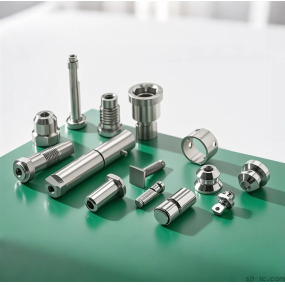
The common machining objects in CNC turning are mainly parts with circular or rotational structures. These objects usually require accurate dimensions, smooth surfaces, and reliable performance.
Shaft Parts
Shafts are among the most common CNC turning products. They are used to transmit power or support rotating components. Examples include motor shafts, drive shafts, transmission shafts, and connecting shafts.
For example, an electric motor manufacturer may need thousands of small shafts with the same diameter and length. CNC turning can produce these parts consistently while maintaining tight tolerances.
Hollow Cylindrical Parts
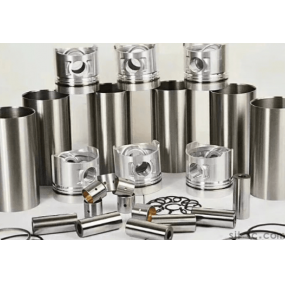
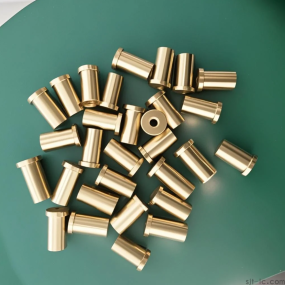
CNC turning is suitable for producing hollow parts such as sleeves, bushings, rings, and tubes. These components often require precise inner and outer diameters.
A hydraulic equipment company may use CNC turning to manufacture cylinder sleeves because the process can achieve smooth inner surfaces and accurate fitting dimensions.
Threaded Parts
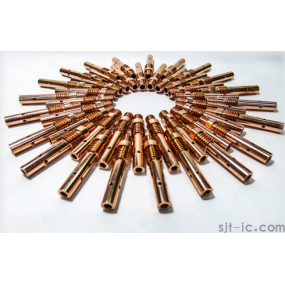
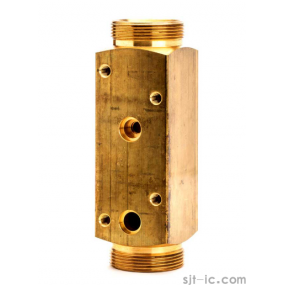
Many threaded components are produced through CNC turning, including screws, threaded connectors, bolts, and pipe fittings.
CNC machines can accurately control thread size and pitch, which is important for parts that need secure connections.
Flanges and Disc-Shaped Parts
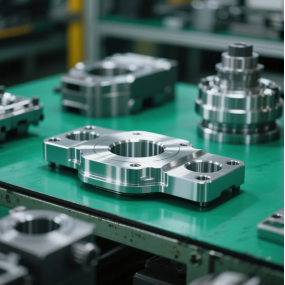
Flanges, spacers, washers, and discs are also typical CNC turning machining objects. These parts often require precise flat surfaces and accurate hole positions.
Small Precision Components
Electronic devices, medical instruments, and optical equipment often use small CNC turning parts. These components may be only a few millimeters in size but require very high accuracy.
CNC Turning Machining Objects for Different Industries
The application range of CNC turning is very broad. Different industries have different requirements for part size, material, tolerance, and surface quality.
Automotive Industry
The automotive industry uses many CNC turning parts, including engine components, shafts, pins, bushings, and connectors.
For example, a vehicle manufacturer may require thousands of precision shafts every month. CNC turning helps maintain stable production quality and reduces manual processing errors.
Aerospace Industry
Aerospace parts usually require extremely high accuracy and reliability. Common CNC turning machining objects include aircraft fasteners, landing gear components, and lightweight alloy parts.
Because aerospace components must work safely under difficult conditions, manufacturers often choose CNC turning for its ability to produce consistent and precise parts.
Medical Equipment Industry
Medical devices often contain small and complex components. Examples include surgical instrument parts, implant components, and equipment connectors.
These are precision-required machining objects of CNC turning because even small dimensional errors may affect product performance.
Electronic and Electrical Industry
Electronic products often need small metal components such as connectors, pins, housings, and mounting parts. CNC turning can produce these parts with high repeatability.
Precision-Required Machining Objects of CNC Turning
Some CNC turning objects require much higher accuracy than ordinary mechanical parts. These are usually used in industries where product reliability is critical.
- Medical components requiring accurate dimensions and smooth surfaces
- Aerospace parts requiring strict tolerance control
- High-speed rotating shafts requiring balance and precision
- Electronic connectors requiring accurate fitting sizes
- Hydraulic and pneumatic components requiring sealing performance
For these parts, manufacturers must carefully control machining parameters, tool wear, material selection, and inspection processes. Professional CNC turning suppliers usually use advanced equipment and quality testing methods to ensure every part meets customer requirements.
Complex-Shaped Machining Objects Suitable for CNC Turning
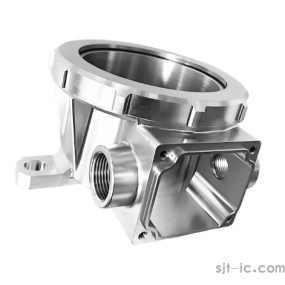
Many people think CNC turning can only produce simple round parts. However, modern CNC turning machines can handle more advanced designs, especially when combined with live tooling and multi-axis functions.
Complex-shaped machining objects suitable for CNC turning include:
- Parts with multiple diameter sections
- Components with grooves and special profiles
- Threaded parts with complicated structures
- Rotating parts requiring drilling and milling operations
- Customized mechanical components with unique designs
For example, a custom automation equipment manufacturer may need a special rotating connector with several machining steps. A CNC turning center can complete turning, drilling, and other operations in one setup, reducing production time and improving accuracy.
Economical Machining Objects for CNC Turning
CNC turning is not only suitable for high-end precision parts. It is also an economical choice for many standard components and medium-volume production projects.
Economical machining objects for CNC turning usually include:
- Standard shafts and pins
- Simple bushings and sleeves
- Fasteners and connectors
- Machine replacement parts
- Small and medium batch customized parts
When production quantities increase, CNC turning can reduce labor costs and improve manufacturing efficiency. Compared with manual machining, CNC turning provides better consistency and faster delivery for repeated orders.
How to Choose the Right CNC Turning Process for Your Parts
Before selecting CNC turning, companies should consider several practical factors:
- Part shape: CNC turning is best for parts with rotational features, such as cylinders, shafts, and rings.
- Material: Different materials, including aluminum, stainless steel, brass, and engineering plastics, require suitable cutting methods.
- Precision requirements: Parts with strict tolerances need experienced machining suppliers and proper inspection equipment.
- Production quantity: CNC turning is especially effective for repeated production and customized batches.
- Surface requirements: Some applications need additional finishing processes to achieve the desired appearance and performance.
Practical Example: CNC Turning for Customized Industrial Parts
A factory producing automated machines once needed a batch of customized shafts and connecting parts. The parts had different diameters, precise fitting areas, and strict surface requirements.
By using CNC turning, the manufacturer achieved consistent dimensions, reduced processing time, and improved assembly efficiency. The ability to quickly adjust CNC programs also made it easier to produce different versions of the parts.
This example shows why CNC turning is widely used for customized mechanical components where accuracy and production flexibility are important.
Why Choose EMAR for CNC Turning Services?
Choosing the right CNC turning supplier is important because machining quality directly affects the final product performance. EMAR provides professional CNC turning services for customers who need reliable, customized machining solutions.
With experience in precision machining, EMAR supports various industries by producing shafts, sleeves, connectors, housings, and other CNC turning parts according to customer drawings and technical requirements.
From prototype production to batch manufacturing, EMAR focuses on stable quality, reasonable production costs, and efficient delivery. Customers can benefit from professional machining support when developing new products or improving existing designs.
Conclusion
So, what are the main machining objects of CNC turning? They mainly include shafts, cylinders, sleeves, threaded parts, discs, connectors, and other rotating components. CNC turning is suitable for both simple and complex parts across many industries.
Understanding the common machining objects in CNC turning, application requirements, and production advantages helps companies select the right manufacturing method. Whether the goal is producing precision medical parts, automotive components, or cost-effective industrial parts, CNC turning remains an important solution for modern manufacturing.