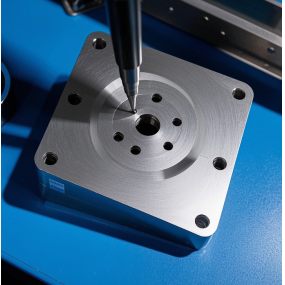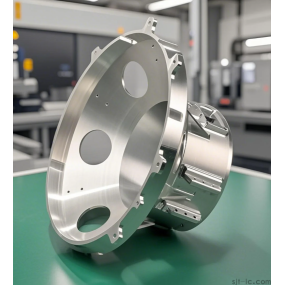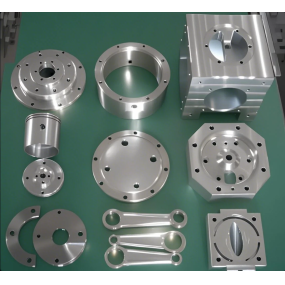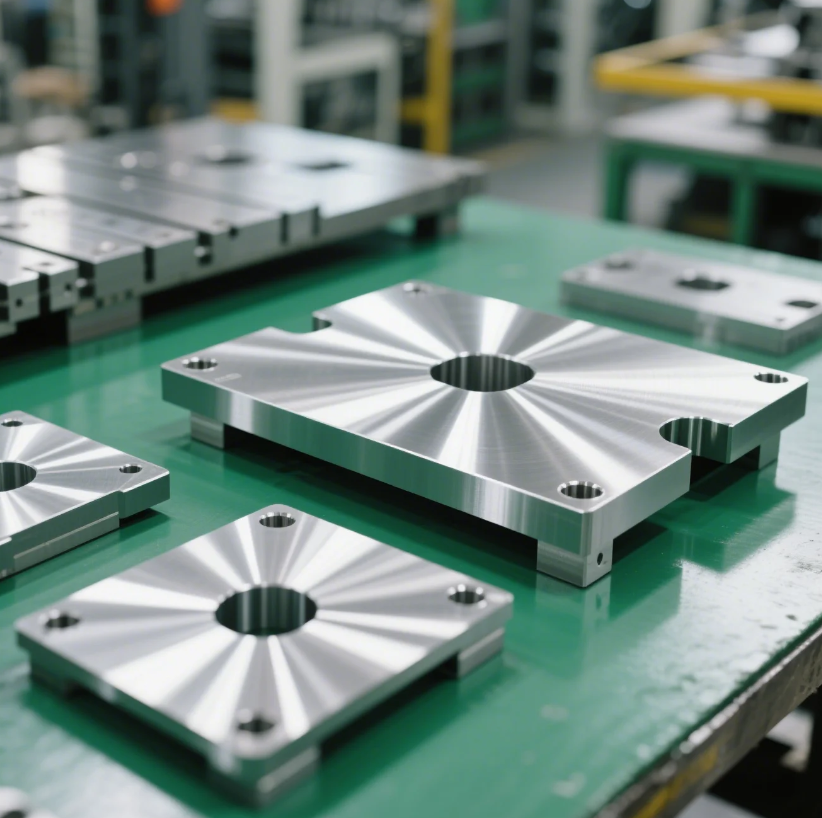
CNC Sheet Metal Processing is an important manufacturing method used to produce accurate and reliable metal parts for industries such as automotive, electronics, machinery, construction, and industrial equipment. Many customers have questions before starting a sheet metal project: Which material is the best choice? How can high accuracy be achieved? How can production costs be controlled? How can part quality be guaranteed?
CNC technology helps solve these problems by using computer-controlled machines to cut, bend, punch, and shape sheet metal with high precision. Compared with traditional manual processing, CNC sheet metal manufacturing provides better repeatability, faster production, and the ability to create complex designs with consistent quality.
CNC machines use digital design files to control tools automatically. This allows manufacturers to produce parts according to exact specifications with fewer human errors. For companies that need large quantities of metal parts or highly accurate prototypes, CNC technology provides a reliable solution.
The main advantages of CNC Sheet Metal Processing include:
Professional manufacturers such as EMAR use advanced CNC equipment and experienced engineers to support customers from design review to final production. Their expertise helps customers select suitable materials, optimize processing methods, and achieve reliable sheet metal parts.
Choosing the correct material is one of the most important steps in sheet metal manufacturing. The right material affects strength, durability, corrosion resistance, appearance, and production cost. Understanding material selection in CNC sheet metal helps customers avoid problems such as weak parts, unnecessary expenses, or difficult processing.
Steel is one of the most widely used materials in CNC sheet metal processing because it provides excellent strength and good cost performance.
Cold-rolled steel:
Hot-rolled steel:
Aluminum is popular because it is lightweight, corrosion-resistant, and easy to process. It has a high strength-to-weight ratio, which makes it suitable for applications where reducing weight is important.
However, aluminum is softer than steel, so manufacturers need to carefully control cutting tools and bending parameters to avoid scratches or deformation.
Stainless steel is selected when corrosion resistance, hygiene, and appearance are important. It contains chromium, which helps create a protective surface layer against rust.
Because stainless steel is harder than many other metals, it usually requires proper tooling and optimized CNC parameters to achieve efficient processing.
Cutting operations in CNC sheet metal are the first step in creating sheet metal parts. The purpose is to separate raw metal sheets into required shapes and sizes. Different cutting methods are selected based on material type, thickness, accuracy requirements, and production goals.
Laser cutting uses a focused laser beam to melt or remove metal along a programmed path.
Plasma cutting uses a high-temperature plasma arc to cut conductive metals.
Waterjet cutting uses high-pressure water mixed with abrasive materials to cut metal without generating much heat.
Bending in CNC Sheet Metal Processing changes flat metal sheets into three-dimensional shapes. CNC press brakes are commonly used because they provide accurate angles and repeatable results.
The bending process requires careful control of several factors:
Bending force is usually calculated according to material strength, sheet thickness, bend length, and die opening size. Manufacturers select suitable press brake tonnage based on these factors to prevent machine overload and part deformation.
Punching creates holes, slots, and other features in sheet metal parts. CNC punching machines use programmed tools to produce repeated features quickly.
Although CNC technology improves accuracy, sheet metal processing still has challenges. Understanding these problems helps manufacturers produce better parts.
Heat from cutting processes can cause metal deformation, especially in thin sheets. To reduce distortion, manufacturers can:
Incorrect bending force or unsuitable bend radius may create cracks or inaccurate angles.
Scratches and surface defects can affect product appearance and performance. Protective films, careful handling, and post-processing treatments such as polishing or coating can improve surface quality.
Quality control in CNC sheet metal ensures that finished parts meet design requirements and customer expectations. A reliable manufacturer does not only inspect final products but also monitors quality throughout the production process.
During manufacturing, technicians check:
Before delivery, manufacturers may perform:
Experienced CNC manufacturers like EMAR combine advanced equipment, skilled operators, and strict inspection procedures to provide stable and high-quality sheet metal solutions.
Cost-effectiveness in CNC sheet metal work depends on several factors. Understanding these factors allows businesses to reduce expenses without sacrificing quality.
With proper design optimization, material selection, and manufacturing planning, CNC Sheet Metal Processing can provide an excellent balance between quality and cost. Professional suppliers such as EMAR help customers achieve efficient production through advanced CNC technology, engineering support, and reliable quality management.
CNC Sheet Metal Processing provides a powerful solution for producing accurate, durable, and complex metal parts. By choosing the right materials, applying suitable cutting and bending methods, controlling quality at every stage, and optimizing production costs, manufacturers can achieve better results for different industries.
Whether a project requires steel, aluminum, or stainless steel components, a professional CNC partner with strong technical experience can help turn designs into high-quality products efficiently and consistently.