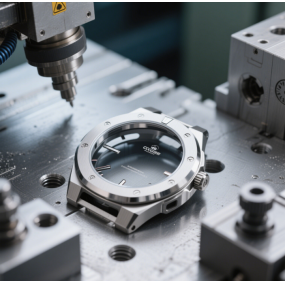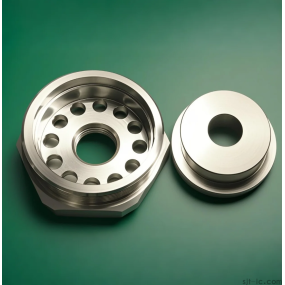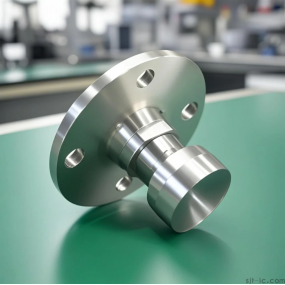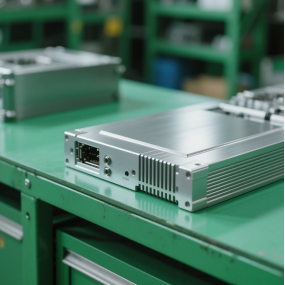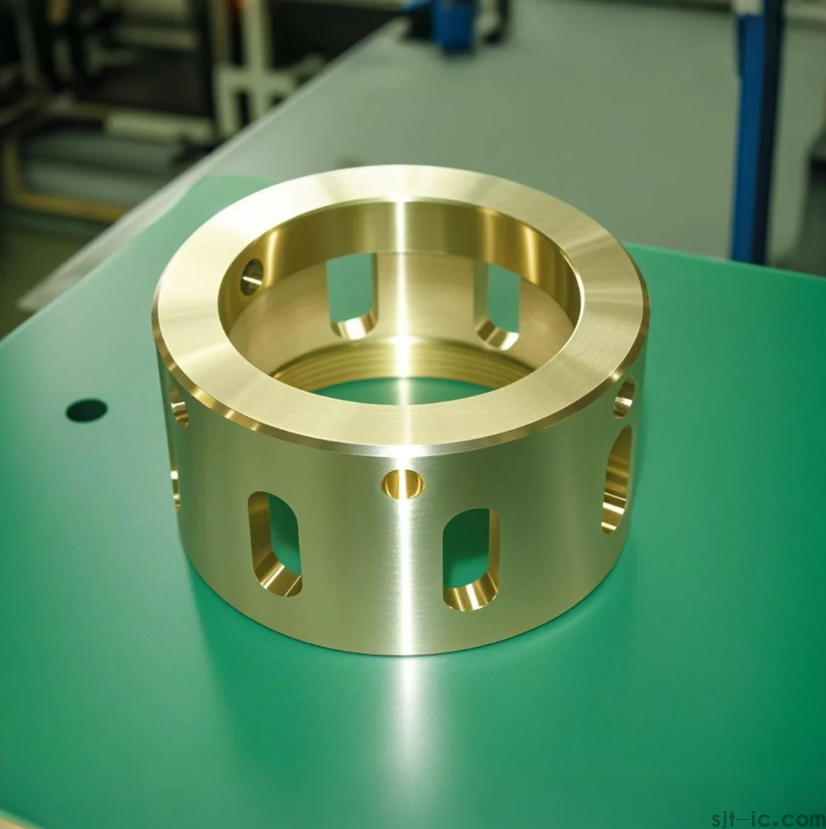
Choosing the right CNC Machined Parts Manufacturer is an important decision for companies that need accurate, durable, and cost-effective components. A reliable manufacturer does more than operate CNC machines. They provide engineering support, material knowledge, strict quality control, and stable production capacity to help customers turn designs into high-quality finished parts.
Many buyers face common challenges when searching for a CNC Machining supplier. They may worry about inconsistent quality, unclear production processes, hidden costs, or whether a manufacturer can handle complex designs. Understanding what makes a professional CNC machining company different can help businesses make better decisions and avoid production problems.
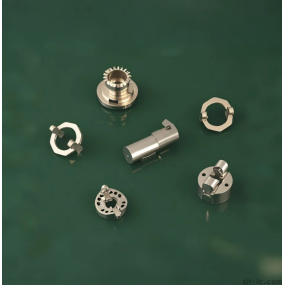
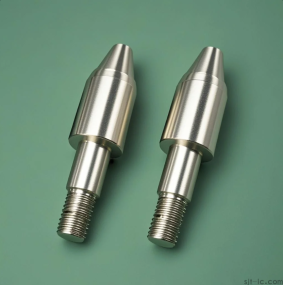
A CNC Machined Parts Manufacturer uses computer-controlled machines to produce precision components from materials such as aluminum, stainless steel, steel, brass, copper, plastics, and special alloys. CNC technology allows manufacturers to create parts with high accuracy and repeatable results for industries including automotive, aerospace, medical equipment, electronics, automation, and industrial machinery.
The main responsibilities of a professional CNC machining manufacturer include:
A capable manufacturer should support both small-batch prototypes and large-volume production. This flexibility allows customers to test new designs, improve products, and scale production efficiently.
Finding the right supplier requires more than comparing prices. The best manufacturers combine technical skills, modern equipment, quality systems, and strong communication. The following are important factors to consider when evaluating a machining partner.
A professional manufacturer should have a wide range of machining capabilities. These may include CNC milling, CNC turning, drilling, grinding, and complex multi-axis machining. Advanced equipment helps produce parts with tight tolerances and complex geometries.
Manufacturers with strong engineering teams can also help optimize part designs. They may suggest changes that reduce machining difficulty, improve performance, and lower production costs without affecting product requirements.
Material selection directly affects part strength, weight, durability, and cost. An experienced CNC machined parts supplier should understand the properties of different materials and recommend the best option for each application.
For example, aluminum is often selected for lightweight parts, stainless steel is suitable for corrosion-resistant components, and engineering plastics can be useful for insulation or low-friction applications.
Quality is one of the most important concerns when selecting a machining partner. Professional manufacturers should have clear inspection procedures and experienced quality teams to ensure every part meets customer requirements.
Quality assurance in CNC machined parts manufacturing involves controlling every stage of production, from material inspection to final delivery. A reliable manufacturer does not only check finished products; they monitor the complete manufacturing process to prevent problems before they happen.
Common quality control methods include:
These quality steps help reduce defects, improve consistency, and give customers confidence that their parts will perform as expected.
Understanding the manufacturing processes used by CNC machined parts manufacturers helps customers know what to expect during production. Although every project is different, the general process usually includes several key steps.
Design Review: Engineers review drawings, CAD files, tolerances, and functional requirements to confirm that the part can be manufactured efficiently.
Material Preparation: The selected raw material is prepared according to the required size and specifications.
CNC Programming: Technicians create machining programs that control cutting paths, speeds, and tool movements.
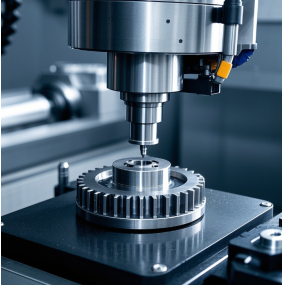
Machining: CNC machines remove material through controlled cutting operations to create the final shape.
Finishing and Inspection: Parts may receive polishing, anodizing, coating, heat treatment, or other finishing processes before final inspection.
A manufacturer with a well-organized process can improve production efficiency, shorten lead times, and maintain consistent quality.
Cost-related factors in CNC machined parts production depend on many elements, not just the machining time. Understanding these factors helps customers control budgets while maintaining quality.
A skilled CNC machining partner can help customers balance performance requirements and production costs. Design improvements, efficient machining methods, and proper material selection can often reduce expenses without reducing quality.
Why EMAR stands out as a CNC machined parts manufacturer is related to its focus on precision, engineering support, and customer-focused production solutions. EMAR provides CNC machining services designed to meet different industry requirements, from prototype development to batch manufacturing.
With professional machining experience, advanced CNC equipment, and strict quality control procedures, EMAR helps customers produce reliable components with consistent accuracy. The company focuses on understanding each customer's needs, improving manufacturability, and delivering parts that meet technical specifications.
EMAR's capabilities include precision CNC milling, CNC turning, custom machining, and support for various metal and plastic materials. By combining manufacturing expertise with quality management, EMAR helps customers reduce production risks and achieve efficient part development.
Before working with a CNC Machined Parts Manufacturer, customers should ask important questions to confirm the supplier's ability:
Clear answers to these questions help businesses find a manufacturer that can provide stable quality, reasonable costs, and long-term cooperation.
A reliable CNC Machined Parts Manufacturer plays an important role in product development and manufacturing success. The right partner should provide advanced machining capabilities, strong quality control, material expertise, and cost-effective solutions.
By understanding the key features of a good supplier, the production process, and quality assurance methods, customers can make confident decisions. Companies like EMAR combine machining experience, technical support, and precision manufacturing to help customers create high-quality CNC machined parts for different applications.