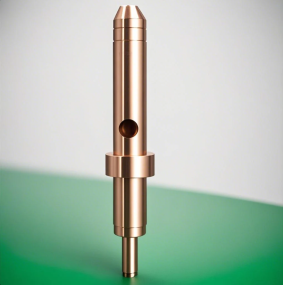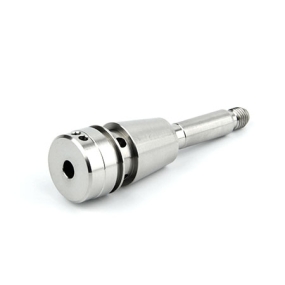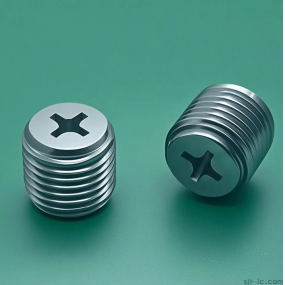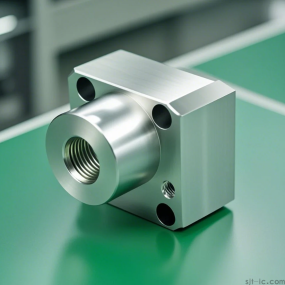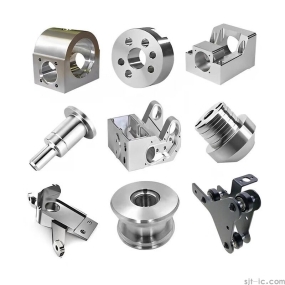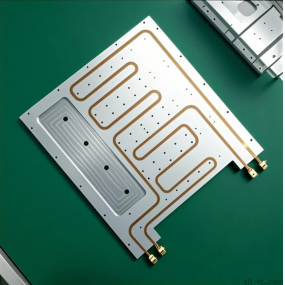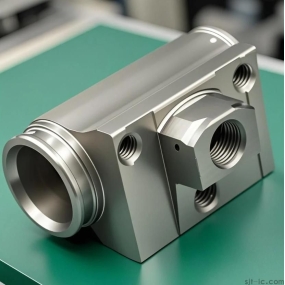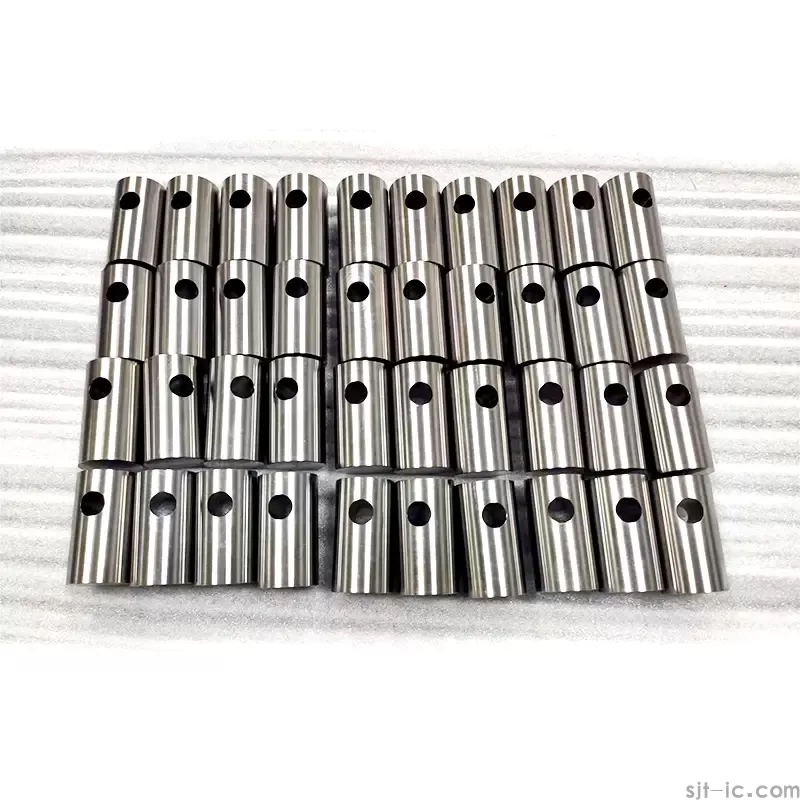
CNC Machining for Batch Production is a reliable solution for companies that need to manufacture many identical parts with stable quality. Compared with one-time machining, batch production requires better planning, process control, and resource management to achieve high efficiency and lower costs.
Many manufacturers face common problems during batch CNC machining, such as long setup times, increasing tool wear, inconsistent part quality, and delays caused by poor production planning. Understanding how to manage these challenges helps businesses achieve faster delivery and better product reliability.
CNC machines use computer-controlled programs to produce parts with high repeatability. Once the machining process is properly set up, the same program can be used to produce hundreds or thousands of parts with consistent results.
The advantages of CNC machining in batch production include lower labor costs, improved accuracy, faster production speed, and better control over product quality.
For industries such as automotive, electronics, medical equipment, and industrial machinery, these benefits make CNC machining an effective choice for large-volume manufacturing.
Although CNC machining offers many benefits, batch production also requires careful management. The challenges in batch-production CNC machining usually come from preparation, equipment usage, and quality control.
Setup time includes machine preparation, tool installation, fixture adjustment, and program testing. A long setup process can reduce production efficiency, especially for smaller batch orders.
Setup time management in batch CNC machining is important because reducing preparation time allows more machine hours to be used for actual production.
During long production runs, cutting tools gradually lose performance. Worn tools may cause poor surface finish, incorrect dimensions, or unexpected machine downtime.
Manufacturers should monitor tool conditions and replace tools before they affect part quality. Selecting suitable cutting tools and machining parameters also helps extend tool life.
Producing many parts does not only require speed; it requires stable quality. Small errors can become serious problems when repeated across hundreds of components.
Quality control for batch-produced CNC parts includes regular inspections, measurement checks, and process monitoring.
Good planning is one of the most important factors in successful CNC batch production. Poor planning can lead to material shortages, machine delays, and increased costs.
Production planning for batch CNC machining should include several key steps:
A detailed production plan helps manufacturers control lead time and maintain stable output quality.
Material preparation plays an important role in batch manufacturing. Delayed material supply can stop production and affect delivery schedules.
Companies should confirm material availability before machining begins. Important factors include material type, quantity, supplier reliability, and storage conditions.
Working with an experienced CNC machining supplier can simplify material management because suppliers often have established sourcing channels and production experience.
Optimization focuses on improving production speed, reducing waste, and maintaining quality. A well-optimized CNC process can significantly reduce manufacturing costs.
EMAR has experience supporting customers with CNC machining projects that require batch production, including process optimization, quality management, and efficient manufacturing planning. By combining advanced CNC equipment with professional production control, EMAR helps customers achieve reliable results for different batch sizes.
A suitable CNC machining partner should have strong manufacturing capabilities, quality inspection systems, and experience handling repeated production orders.
Before selecting a supplier, companies should consider:
With proper equipment, skilled technicians, and effective process management, CNC machining for batch production can provide a balance between cost, speed, and quality. Careful planning and continuous improvement allow manufacturers to produce reliable parts while meeting demanding production requirements.