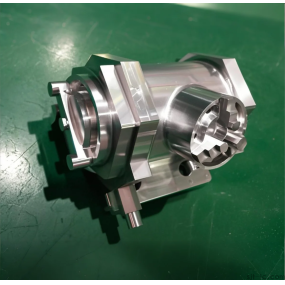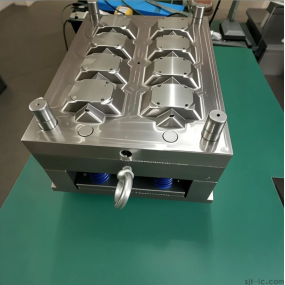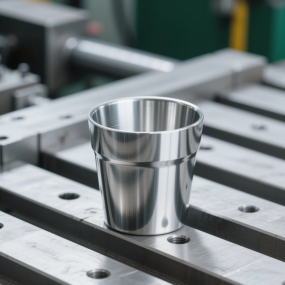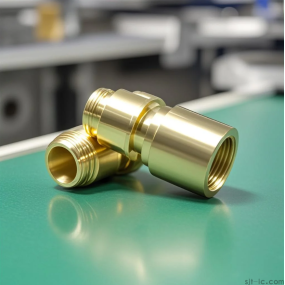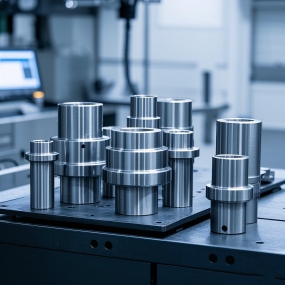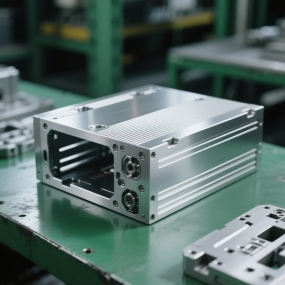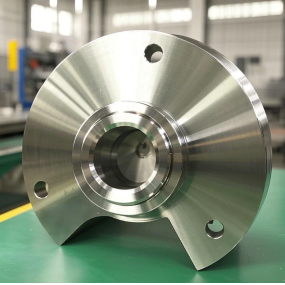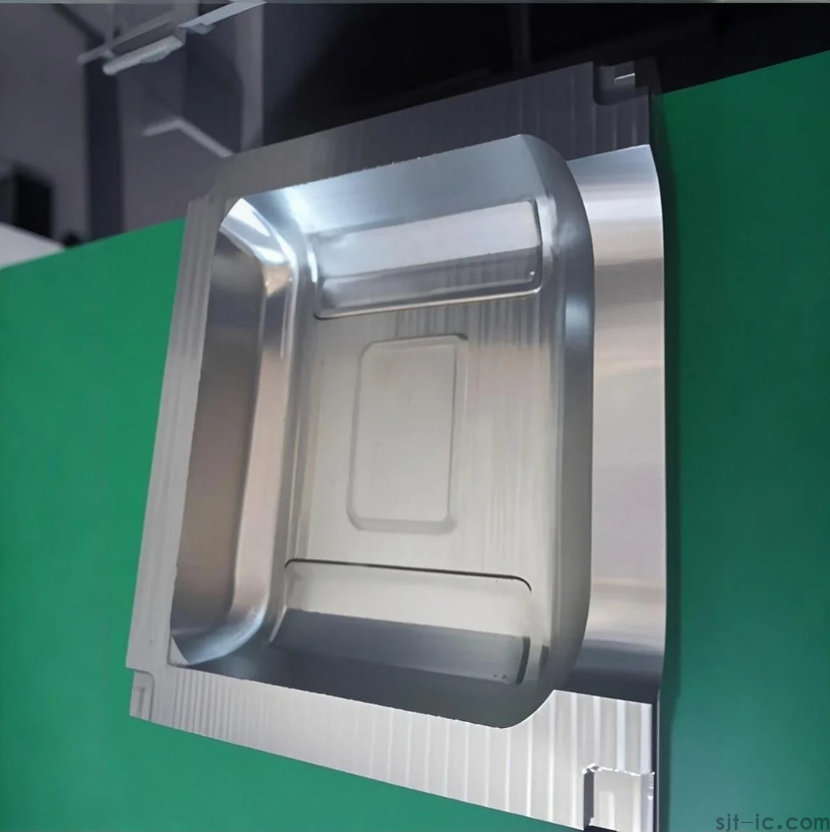
CNC Machining Custom Molds is a reliable manufacturing solution for companies that need accurate, durable, and customized molds for production. Many customers worry about high costs, long lead times, or poor precision when ordering custom molds. With advanced CNC technology, manufacturers can create complex mold designs faster while maintaining strict quality standards.
Custom molds are widely used in industries such as automotive, medical devices, electronics, consumer products, and industrial equipment. A well-machined mold helps produce consistent parts, reduces production problems, and improves overall manufacturing efficiency.
CNC machining is one of the best methods for producing custom molds because it combines high accuracy, design flexibility, and stable production performance. Unlike traditional manual machining, CNC machines use computer-controlled programs to create precise mold components with repeatable results.
For businesses looking for dependable mold manufacturing, experienced suppliers such as EMAR provide CNC machining solutions that support prototype development, small-batch production, and customized industrial applications.
Cost is one of the biggest concerns when ordering custom molds. The final price depends on many factors, including mold complexity, material choice, machining time, surface requirements, and additional treatments.
A clear design at the beginning can help reduce unnecessary machining operations and avoid costly changes later. Working with an experienced CNC machining partner allows customers to optimize the mold structure while keeping performance requirements.
Molds often need extremely accurate dimensions because even small errors can affect the final molded parts. CNC machining helps control accuracy through programmed tool paths, advanced measuring equipment, and careful process management.
Long waiting times can delay product launches. CNC machining improves production efficiency by allowing manufacturers to quickly convert CAD designs into finished mold components. Proper planning, optimized machining strategies, and skilled programming help shorten delivery times without reducing quality.
Design considerations for CNC-machined custom molds are important because the mold design directly affects machining difficulty, production cost, and final performance. Before machining begins, customers should provide complete information about their requirements.
Good communication between the customer and manufacturer helps prevent misunderstandings. Engineers need to understand how the mold will be used and what performance standards are required.
A complete design review before machining helps identify possible problems, improve manufacturability, and create a more cost-effective mold solution.
Material selection for custom mold CNC machining has a major impact on mold durability, machining performance, and product quality. Different applications require different material properties.
Common mold materials include tool steels, stainless steels, aluminum alloys, and other specialized alloys. The best choice depends on factors such as production quantity, molding temperature, required surface finish, and budget.
Manufacturing a custom mold usually requires several machining processes. Each operation is selected based on the mold structure, material, and required accuracy.
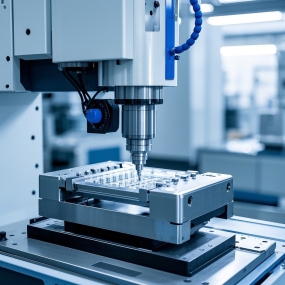
Milling is one of the most common CNC machining operations for molds. It is used to create cavities, pockets, complex surfaces, and detailed features. High-speed milling machines with suitable cutting tools help achieve accurate shapes and smooth surfaces.
Tool selection, cutting speed, feed rate, and depth of cut must be carefully adjusted. For hard mold materials, manufacturers may use specialized carbide tools and optimized machining parameters to improve tool life and surface quality.
Turning is used for cylindrical mold components such as pins, shafts, and round inserts. Proper control of cutting speed and feed rate helps maintain dimensional accuracy and reduce surface defects.
EDM is useful for creating small, deep, or highly detailed features that are difficult to machine with traditional cutting tools. It is commonly used for sharp corners, narrow slots, and complex cavity details.
Grinding improves surface finish and dimensional accuracy after rough machining. It is often used for precision mold parts that require very tight tolerances and smooth contact surfaces.
Handling distortion in custom mold CNC machining is a key challenge because mold materials can change shape due to cutting forces, heat generation, or internal stress release.
Manufacturers can reduce distortion by using proper machining strategies, including:
Careful process control helps maintain mold accuracy and prevents problems during final assembly.
Post-machining processes for CNC-machined custom molds improve mold performance, durability, and service life after the main machining operations are completed.
The correct post-processing method depends on the mold material, production environment, and required performance level.
Quality control in custom mold CNC manufacturing ensures that every mold meets design requirements before delivery. A strong inspection process helps identify issues early and prevents production failures.
Reliable quality control is especially important for industries that require strict standards and repeatable production results.
Selecting an experienced CNC machining supplier can make a major difference in mold quality, cost control, and delivery time. A professional manufacturer should provide support from design review to final inspection.
EMAR focuses on precision CNC machining services for custom molds and complex components. With advanced equipment, experienced engineers, and quality management processes, EMAR helps customers turn detailed designs into reliable mold solutions.
By combining accurate machining technology, careful material selection, and strong communication, CNC Machining Custom Molds provides an effective way to create high-performance molds for modern manufacturing needs.