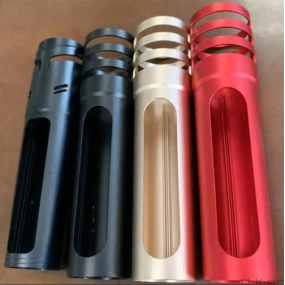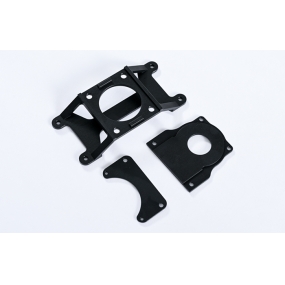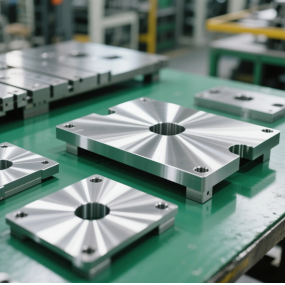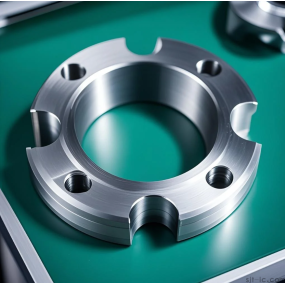

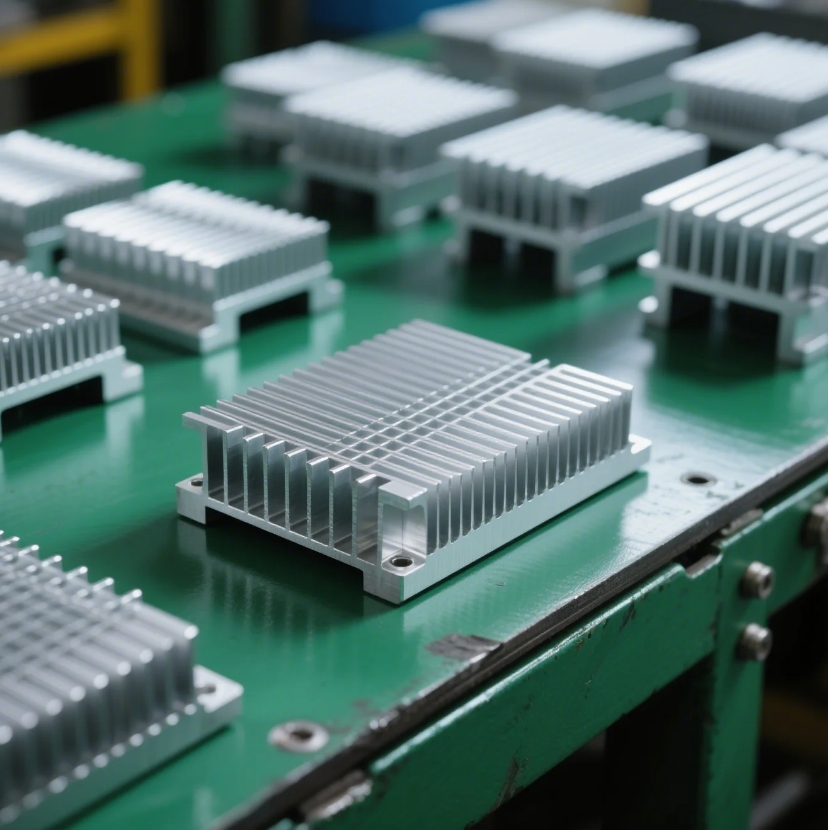
Heat sinks are essential components for managing heat in electronic devices, automotive systems, aerospace equipment, and many other applications. A well-designed heat sink can quickly transfer heat away from high-temperature components and improve product reliability. However, producing a high-performance heat sink requires careful design, suitable materials, accurate machining, and strict quality control.
Heat Sink CNC Machining is a reliable manufacturing method for creating heat sinks with complex structures, thin fins, precise channels, and excellent surface quality. CNC machining allows manufacturers to produce customized heat sinks that meet specific thermal and mechanical requirements. Companies such as EMAR use advanced CNC machining technology and manufacturing experience to help customers develop accurate and efficient heat sink solutions for different industries.
Traditional manufacturing methods may have limitations when producing heat sinks with complicated designs. Modern heat sinks often require narrow fins, special airflow channels, lightweight structures, and precise mounting features. CNC machining provides the accuracy and flexibility needed to create these advanced designs.
CNC machines use computer-controlled movements to remove material with high precision. This makes it possible to manufacture heat sinks with:
Because heat transfer efficiency depends heavily on design accuracy, CNC machining plays a key role in improving the thermal performance of heat sinks.
Choosing the correct material is one of the most important steps in heat sink production. The material affects thermal conductivity, weight, machining difficulty, corrosion resistance, and total cost. The best choice depends on the working environment and industry requirements.
Aluminum is the most commonly used material for CNC-machined heat sinks because it offers a good balance between thermal performance, weight, and price.
Aluminum has lower density than copper, making it easier to machine and transport. It is also more cost-effective for large production volumes. For many electronics applications, aluminum provides enough thermal performance while keeping production costs under control.
Copper has much higher thermal conductivity than aluminum, allowing it to transfer heat faster. It is commonly used in high-performance cooling systems where heat removal is the top priority.
However, copper is heavier, more expensive, and more difficult to machine. It may require specialized cutting tools and slower machining parameters. Copper heat sinks are often used in aerospace, high-power electronics, and advanced automotive systems where maximum cooling performance is required.
Different industries have different requirements for heat sink materials:
A professional manufacturer can help customers select the right material based on operating temperature, available space, production quantity, and budget.
Milling is the most important machining process for creating heat-dissipating structures. It is used to produce fins, grooves, channels, and other cooling features on heat sinks.
During milling, the CNC machine removes material with rotating cutters. The design of the cutter and cutting parameters directly affect machining quality and thermal performance.
Typical milling parameters depend on the machine, tool type, and heat sink design. For aluminum, many manufacturers use cutting speeds around 200–600 m/min with carbide tools, feed rates of approximately 0.05–0.3 mm per tooth, and moderate depths of cut to balance efficiency and accuracy. Copper usually requires lower cutting speeds and careful control to avoid tool wear and surface damage.
The milling process affects both appearance and heat transfer. A smoother surface improves contact between the heat sink and the heat source, while accurate fin dimensions improve airflow and cooling efficiency.
Turning is used when heat sinks include cylindrical bases, round cooling parts, or rotating components. A CNC lathe rotates the workpiece while a cutting tool removes material to create the required shape.
Turning operations may include:
Carbide inserts are commonly used for aluminum and copper turning. Proper cutting speed, feed rate, and depth of cut help prevent vibration and maintain dimensional accuracy.
Heat sinks often require holes for screws, brackets, sensors, or electronic components. CNC drilling and tapping ensure these holes are accurately positioned and properly threaded.
To achieve reliable results, manufacturers should:
Correct hole placement is important because poor alignment can affect installation and reduce thermal contact performance.
Thin fins and lightweight structures can easily deform during machining. Cutting forces and heat generated during machining may cause warping or dimensional changes.
Manufacturers can reduce these problems by:
Thin fins improve cooling performance, but they are difficult to machine because they can break or bend. Proper tool selection, stable machine settings, and careful programming help maintain consistent fin thickness.
Burrs around fins, holes, and edges can affect assembly and heat transfer. Post-machining processes such as manual deburring, brushing, or precision finishing remove unwanted sharp edges.
A high-quality CNC manufacturer will also inspect surface roughness to ensure the heat sink meets performance requirements.
Cost-effectiveness in heat sink production depends on several factors, including material choice, machining time, production volume, and design complexity.
Main cost factors include:
Manufacturers can improve cost efficiency by:
Experienced CNC suppliers like EMAR help customers balance performance and cost by optimizing designs before production begins.
Quality control in heat sink manufacturing ensures that every heat sink meets dimensional and thermal performance requirements. A reliable inspection process includes checks during machining and final testing.
During production, manufacturers use precision measuring tools such as:
Regular inspections help identify problems early and prevent large quantities of defective parts.
After machining, heat sinks may undergo thermal and durability testing, including:
These tests ensure that the finished heat sink can provide stable cooling performance throughout its service life.
Selecting the right CNC machining supplier is important for achieving reliable heat sink performance. A qualified manufacturer should have experience with thermal components, advanced CNC equipment, skilled engineers, and strong inspection systems.
EMAR provides professional CNC machining services for customized heat sinks, supporting customers from material selection and design optimization to precision manufacturing and quality inspection. With experience in aluminum and copper machining, EMAR helps industries create heat sinks that meet cooling, accuracy, and cost requirements.
Heat Sink CNC Machining provides an effective solution for producing high-performance cooling components with complex designs and strict accuracy requirements. The right material selection, optimized machining processes, proper distortion control, and reliable quality inspection are essential for achieving excellent thermal performance.
By working with an experienced CNC machining partner, businesses can develop heat sinks that offer better heat dissipation, lower production risks, and long-term reliability across electronics, automotive, aerospace, and industrial applications.