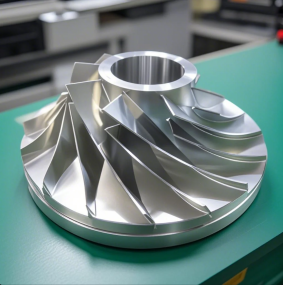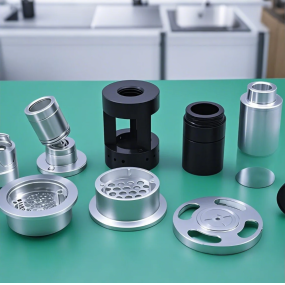
CNC Metal Precision Machining is a manufacturing process used to produce metal parts with very tight accuracy, excellent surface quality, and consistent performance. It is widely used in industries such as aerospace, automotive, medical equipment, electronics, and industrial machinery where even small errors can affect product reliability.
Many customers face challenges when choosing a CNC Machining supplier, including controlling part accuracy, selecting the right metal materials, reducing production costs, and ensuring stable quality during mass production. Understanding the machining process and key factors behind precision can help businesses make better manufacturing decisions.
The significance of precision in CNC metal machining is directly related to product performance, assembly accuracy, and long-term reliability. Precision machining ensures that every part matches the design requirements and works correctly with other components.
For industries that require high-performance parts, small dimensional errors may cause problems such as poor fitting, increased wear, vibration, or equipment failure. CNC machines use computer-controlled movements to achieve repeatable results and maintain consistent quality across different production batches.
High precision is especially important for:
A professional CNC machining partner can help optimize designs, select suitable processes, and maintain the required tolerances throughout production. Companies like EMAR provide CNC metal precision machining services with experience in producing complex metal components while focusing on accuracy, efficiency, and customer requirements.
The choice of material has a major impact on machining performance, tool life, surface finish, and production cost. Understanding suitable metals for CNC precision metal machining helps manufacturers select materials that meet both technical and budget requirements.
Aluminum is one of the most common materials used in precision CNC machining. It is lightweight, easy to cut, corrosion-resistant, and suitable for parts requiring good strength with low weight.
Common applications include:
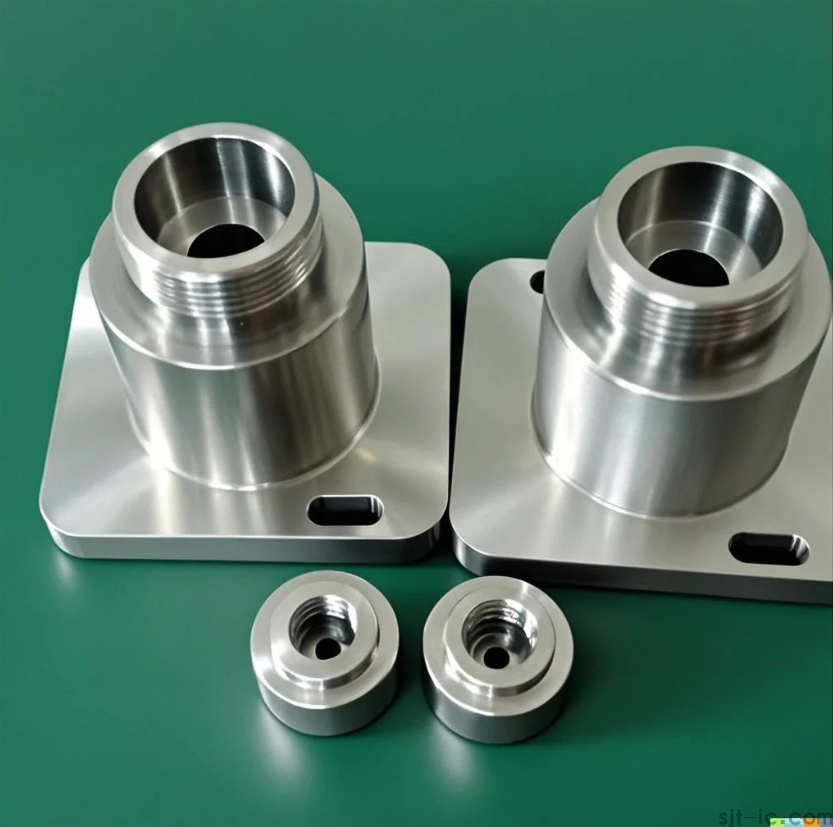
Stainless steel offers excellent corrosion resistance and strength. Although it is more difficult to machine than aluminum, it is widely used when durability and environmental resistance are important.
Copper and brass are suitable for electrical and heat-related applications because of their excellent conductivity. However, their softness requires careful tool selection and machining control.
Titanium provides high strength with low weight and is commonly used in aerospace and medical applications. Because titanium generates more heat during cutting, it requires advanced machining knowledge and proper cooling methods.
The best material choice depends on factors such as part function, mechanical requirements, machining difficulty, and final application. Experienced CNC manufacturers can provide recommendations based on production goals.
The machining processes in CNC metal precision work include several operations that transform raw metal materials into accurate finished parts. Each process requires proper programming, tooling, and machine settings.
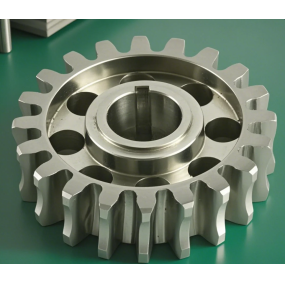
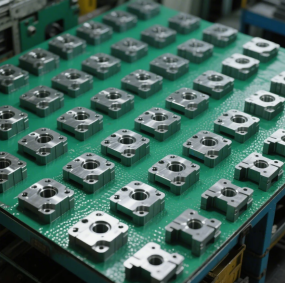
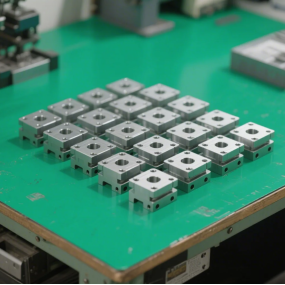
CNC milling uses rotating cutting tools to remove material from metal blocks or sheets. It is suitable for producing complex shapes, slots, holes, and detailed surfaces.
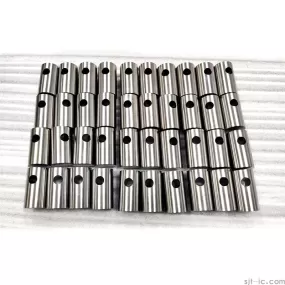
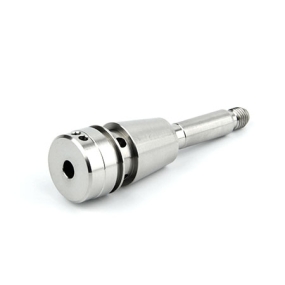
CNC turning rotates the workpiece while cutting tools remove material. This process is commonly used for cylindrical parts such as shafts, pins, and bushings.
Precision drilling creates accurate holes, while threading produces screw connections. These operations require careful control to ensure proper fit and strength.
After machining, parts may require additional treatments such as polishing, anodizing, coating, or heat treatment. These processes improve appearance, corrosion resistance, and durability.
A complete CNC machining workflow usually includes design review, material preparation, programming, machining, inspection, and finishing. A well-organized process reduces errors and improves production efficiency.
The tooling requirements for CNC metal precision machining directly affect machining accuracy, surface quality, and production speed. Using the wrong tools can lead to poor finishes, faster tool wear, and higher manufacturing costs.
Important tooling considerations include:
Modern CNC machining also requires reliable equipment, including multi-axis CNC machines, precision measuring tools, automated systems, and advanced programming software. These technologies help manufacturers produce complex parts with stable results.
EMAR uses professional CNC machining equipment and manufacturing experience to support different metal machining requirements, from prototype production to larger production orders.
The quality control in CNC metal precision machining process ensures that finished parts meet customer drawings, specifications, and performance expectations. Without strict inspection, even a well-designed part may fail during use.
Common quality control steps include:
Before machining begins, manufacturers check raw materials to confirm the correct type, grade, and condition. This prevents problems caused by incorrect materials.
During machining, operators monitor dimensions, tool performance, and machine conditions. Early detection of problems reduces waste and prevents large production errors.
Finished parts are checked using precision measuring equipment such as coordinate measuring machines (CMM), micrometers, calipers, and surface measurement tools.
Important inspection factors include:
A strong quality management system helps ensure every batch meets customer expectations and reduces the risk of costly rework.
The cost-related factors in CNC metal precision machining depend on many elements, including material selection, part complexity, production quantity, machining time, and finishing requirements.
Major factors affecting cost include:
To improve cost efficiency, manufacturers can optimize part designs, choose suitable materials, reduce unnecessary machining operations, and plan production batches effectively.
Working with an experienced CNC machining supplier helps businesses balance quality, precision, and cost. EMAR supports customers with CNC metal precision machining solutions designed to improve production efficiency while maintaining strict quality standards.
Selecting the right machining supplier is important for achieving reliable results. A capable partner should have advanced equipment, skilled technicians, strong quality control systems, and experience with different metal materials.
Before choosing a supplier, consider:
CNC Metal Precision Machining is not only about removing metal from a workpiece. It requires careful planning, accurate equipment, skilled operation, and strict quality management. By understanding materials, machining methods, tooling needs, inspection processes, and cost factors, companies can achieve high-quality metal parts with better efficiency and reliability.
With professional manufacturing experience, EMAR provides CNC metal precision machining services for customers needing accurate, consistent, and cost-effective metal components across various industries.