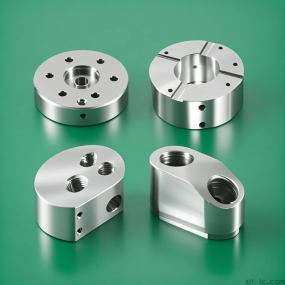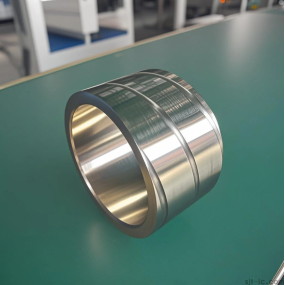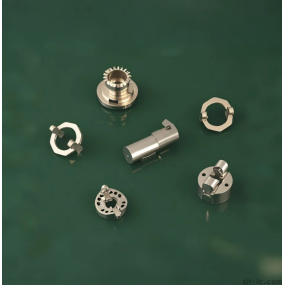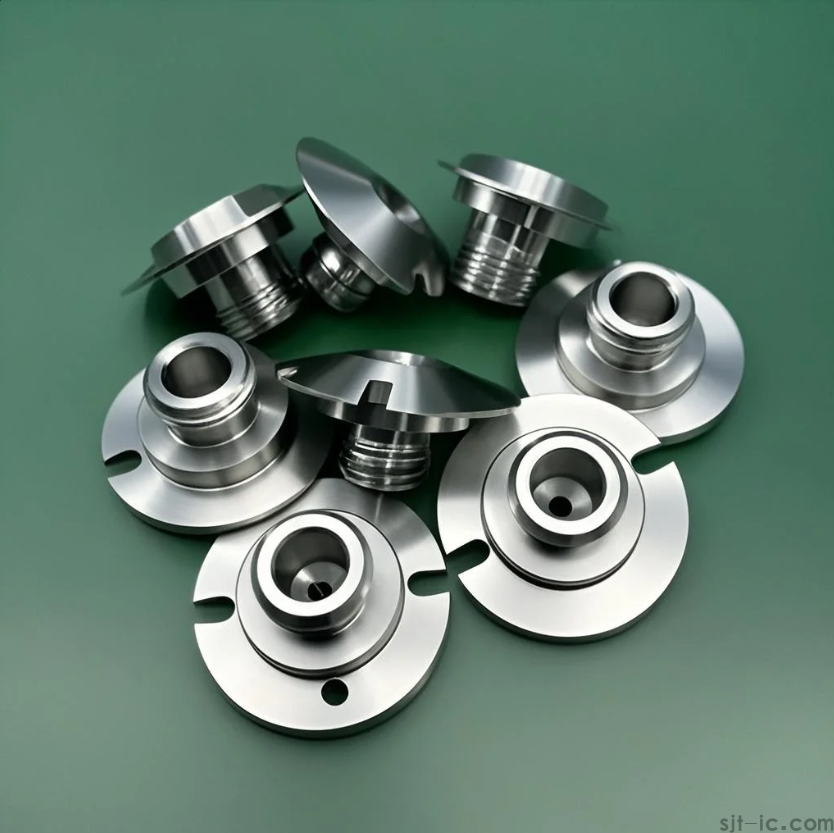
When companies need hundreds, thousands, or even more identical parts, choosing the right manufacturing method is important. CNC Machining Parts for Batch Production offers a reliable solution because it combines precision, repeatability, and production efficiency. Many manufacturers choose CNC machining because it can produce the same part many times while maintaining strict quality requirements.
However, batch production also brings challenges. Companies often worry about inconsistent part quality, increasing production costs, tool wear, and delivery delays. A well-planned CNC machining process can solve these problems by improving production control from design to final inspection.
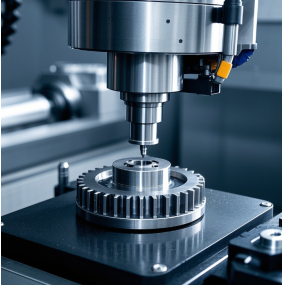
CNC machining uses computer-controlled machines to remove material from a workpiece and create accurate parts. For batch production, this technology provides several important advantages.
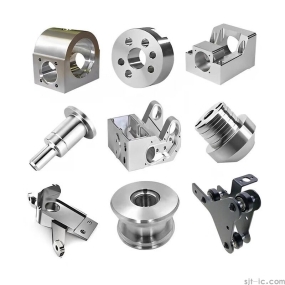
For companies producing mechanical components, industrial parts, electronic housings, and other precision products, CNC machining provides a balance between quality and production speed.
The success of batch production begins at the design stage. Good design considerations for batch-produced CNC parts can reduce machining difficulty, shorten production time, and improve consistency.
Engineers should consider several factors before production starts:
A professional CNC machining supplier can review drawings and provide suggestions before production. Companies such as EMAR use engineering experience and advanced CNC equipment to help customers optimize part designs for efficient batch manufacturing.
Choosing the correct material is essential for successful high-volume production. The best choice depends on the part's working environment, required strength, expected service life, and production budget.
Material selection for batch CNC machining should consider the following factors:
A suitable material choice helps manufacturers maintain reliable performance while keeping batch production economically practical.
Batch CNC production usually involves multiple machining operations. Each process is selected according to the part structure and manufacturing requirements.
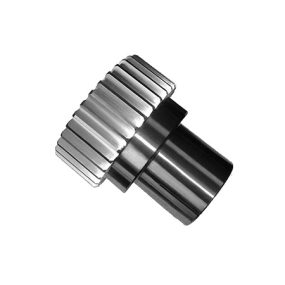
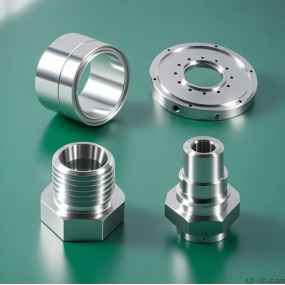
Turning operations in batch part production are commonly used for cylindrical components such as shafts, pins, bushings, and connectors. During turning, the workpiece rotates while a cutting tool removes material to create accurate diameters, grooves, and threads.
For efficient batch turning, manufacturers optimize:
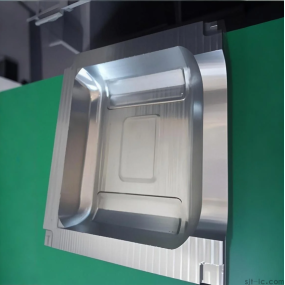
Milling is used for parts requiring flat surfaces, slots, pockets, holes, and complex shapes. Multi-axis CNC milling machines can produce detailed geometries that would be difficult to achieve through traditional methods.
Proper selection of cutting tools, such as carbide end mills and specialized cutters, helps maintain stable production during large batches.
Drilling creates accurate holes for assembly, fasteners, and other functional requirements. In batch production, fixed drilling cycles and automated tool changes help improve efficiency and reduce variation between parts.
Tool wear is one of the biggest concerns in long production runs. As cutting tools are used repeatedly, their performance gradually decreases, which can affect part accuracy and surface quality.
Handling tool wear in batch CNC machining requires careful planning:
Effective tool management reduces unexpected downtime and helps maintain stable production throughout the entire batch.
Although CNC machining provides many advantages, manufacturers must manage several challenges to achieve consistent results.
Producing the first part correctly is not enough. Every part in the batch must meet the same requirements. Differences caused by machine conditions, tool wear, or material changes must be controlled carefully.
Batch orders often have strict delivery schedules. Proper production planning, efficient machining programs, and preventive maintenance help avoid delays.
Issues such as machine breakdowns, material shortages, or design changes can affect production. Experienced manufacturers prepare backup plans, maintain communication with customers, and adjust processes quickly when problems occur.
EMAR focuses on reliable CNC machining solutions by combining experienced engineers, modern equipment, and controlled production processes to support customers with different batch production requirements.
Quality control is essential when producing large quantities of precision parts. Effective inspection methods ensure that every batch meets customer expectations.
Quality control in batch-produced CNC parts manufacturing usually includes:
Advanced measuring equipment, including coordinate measuring machines (CMM), helps ensure accurate inspection results and reliable quality records.
A capable CNC machining supplier can make a significant difference in batch production success. Companies should look for manufacturers with experience in precision machining, strong quality systems, efficient production management, and the ability to handle different materials and part designs.
EMAR provides CNC machining parts manufacturing services for various industries, supporting customers from design review and material selection to machining, inspection, and delivery. With experience in batch production, EMAR helps customers achieve consistent quality, reduce manufacturing risks, and improve production efficiency.
CNC Machining Parts for Batch Production is an effective manufacturing solution for companies that need accurate, repeatable, and cost-efficient parts in large quantities. Successful batch production depends on careful design planning, proper material selection, optimized machining operations, tool wear management, and strict quality control.
By working with an experienced CNC machining provider and applying proven production methods, businesses can achieve reliable parts, stable production schedules, and better long-term manufacturing performance.