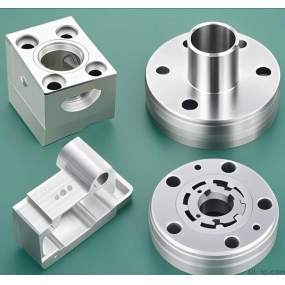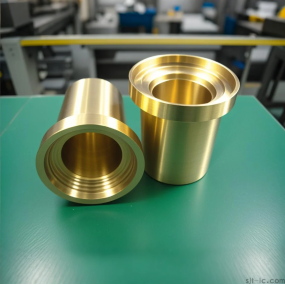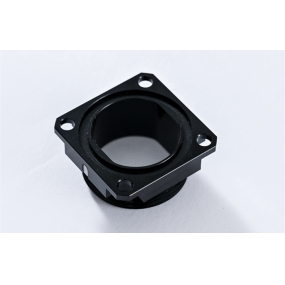

Manufacturer of CNC-machined medical parts
For manufacturer of CNC-machined medical parts, review how drawing tolerances and material selection affect the project requirements.
Published by EMAR TECH CO., LTD.
Request a machining reviewChoosing the right Manufacturer of CNC - machined medical parts is a critical decision for medical device companies. Medical parts often need extremely high precision, safe materials, and reliable performance because they are used in products that directly affect patient health. A machining supplier that works well for general industrial parts may not have the experience or systems needed for medical applications.
Many buyers face common challenges when selecting a CNC medical parts supplier: meeting strict regulations, maintaining consistent quality, controlling production costs, and managing custom or small-volume orders. A reliable manufacturer should not only provide accurate machining but also understand medical industry requirements from design to final inspection.
Key Factors When Choosing a CNC Medical Parts Manufacturer
1. Strong Compliance with Medical Device Regulations
Medical parts must meet strict safety and quality requirements. One of the first things to check is whether the manufacturer understands and follows medical device regulations in your target market.
Regulatory compliance in CNC - machined medical parts manufacturing involves more than producing accurate parts. The manufacturer should have controlled production processes, proper documentation, and quality systems that support medical device requirements.
- For the US market, manufacturers should understand requirements related to the FDA medical device regulations.
- For European markets, they should be familiar with CE marking requirements and related medical device standards.
- The manufacturer should maintain documented procedures for production control, inspection, and product records.
A supplier experienced in medical machining can help customers reduce compliance risks and avoid delays caused by poor documentation or inconsistent processes.
2. Proven Experience in Medical CNC Machining
Medical parts are different from ordinary mechanical components. They often require special materials, complex geometries, very tight tolerances, and strict cleanliness control. A manufacturer with experience in the medical field can better understand these challenges.
When evaluating a supplier, consider:
- Experience producing surgical instruments, medical device components, implants, or laboratory equipment parts.
- Knowledge of medical-grade materials and machining requirements.
- Ability to support prototype development and mass production.
- Experience handling customer-specific drawings and technical requirements.
EMAR provides CNC machining services for industries that require high precision and strict quality management. With experience in customized precision manufacturing, EMAR helps customers develop reliable medical components based on their design requirements.
Quality Control in Medical Parts CNC Production
Quality is one of the biggest concerns when purchasing CNC-machined medical parts. Even a small dimensional error can affect the function, assembly, or safety of a medical device.
Quality control in medical parts CNC production should include inspections throughout the entire manufacturing process, not only after machining is complete.
- Design review inspection: Engineers check drawings, tolerances, surface requirements, and manufacturing feasibility before production begins.
- In-process inspection: Measurements are performed during machining to detect problems early and maintain accuracy.
- Final inspection: Finished parts are checked using precision measuring equipment to confirm they meet specifications.
- Traceability systems: Production records, material information, inspection results, and process data should be maintained for quality tracking.
A professional CNC medical parts manufacturer uses inspection procedures to ensure every batch meets customer expectations and industry requirements.
The CNC Machining Process for Medical Parts
1. Design Review and Engineering Support
The process starts with a detailed review of the customer's design. Medical parts often have special requirements, such as sterilization compatibility, patient safety, and long-term durability.
During design review, engineers evaluate:
- Part dimensions and tolerance requirements.
- Complex features and machining difficulty.
- Surface finish requirements.
- Assembly needs and final application conditions.
Good communication at this stage helps identify possible manufacturing problems before production begins. This reduces unnecessary changes, delays, and extra costs.
2. Material Selection for Medical CNC Parts
The choice of material directly affects the safety and performance of medical components.
Material selection for CNC - made medical parts requires consideration of strength, corrosion resistance, sterilization conditions, and biocompatibility.
Common medical machining materials include:
- Titanium alloys for applications requiring strength, light weight, and biocompatibility.
- Stainless steel for surgical tools and medical equipment components because of its corrosion resistance.
- Medical-grade plastics for lightweight components and specific device applications.
A qualified manufacturer should help customers select suitable materials based on the part's intended use and medical requirements.
3. High-Precision CNC Machining Operations
Medical parts often require advanced machining capabilities because many components have small sizes and complex designs.
Typical CNC operations include:
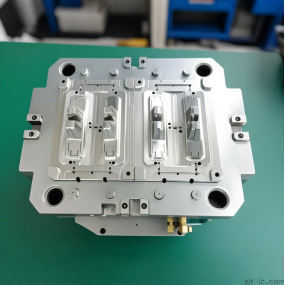
- High-precision milling: Used to create complex shapes, pockets, slots, and detailed features.
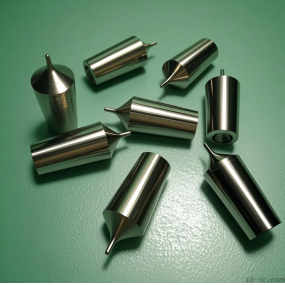
- CNC turning: Suitable for round medical components that require accurate diameters and smooth surfaces.
- Micro-machining: Used for very small parts with extremely fine features and tight tolerances.
Advanced CNC equipment and skilled operators help manufacturers achieve the accuracy required for demanding medical applications.
Common Challenges in CNC Medical Parts Manufacturing
Maintaining Clean and Sterile Production Conditions
Medical components often need strict cleanliness because contamination can affect patient safety. Manufacturers must control production environments, handling procedures, and cleaning processes.
A reliable supplier understands the importance of preventing contamination during machining, inspection, packaging, and delivery.
Achieving Extremely Tight Tolerances
Many medical devices require very precise dimensions. Small errors may cause problems during assembly or operation.
To solve this challenge, manufacturers need:
- Precision CNC machines.
- Advanced inspection equipment.
- Experienced machining engineers.
- Strict process control.
Handling Small-Batch Medical Production
Medical companies often need prototypes, testing samples, or limited production runs before large-scale manufacturing.
Handling small-batch production in medical parts CNC machining requires flexible production planning, efficient programming, and careful quality control. A capable manufacturer should provide consistent quality even for small quantities.
EMAR supports customized CNC machining projects, including prototype development and small-batch production. This flexibility allows medical companies to test designs and improve products before larger production stages.
The Importance of Communication with CNC Medical Parts Manufacturers
Custom medical parts require close cooperation between the customer and the machining supplier. Clear communication helps prevent misunderstandings about design requirements, materials, tolerances, and inspection standards.
Communication with CNC - machined medical parts manufacturers should include:
- Sharing complete technical drawings and application information.
- Discussing material and performance requirements.
- Confirming inspection standards before production.
- Reviewing prototypes and making improvements when needed.
A manufacturer that actively communicates with customers can provide better engineering support and create parts that match the final medical device requirements.
Why Choose an Experienced CNC Medical Parts Partner?
Selecting a CNC machining supplier is not only about price. Medical companies need a partner that can provide consistent quality, reliable delivery, technical support, and compliance awareness.
A trusted Manufacturer of CNC - machined medical parts should combine advanced machining technology, experienced engineers, strict quality systems, and strong customer communication.
EMAR focuses on precision CNC machining and customized manufacturing solutions for demanding industries. By supporting design review, material evaluation, precision machining, and quality inspection, EMAR helps customers develop dependable medical components that meet their specific needs.
Working with the right CNC medical parts manufacturer can reduce production risks, improve product quality, and create a smoother path from medical device design to successful manufacturing.