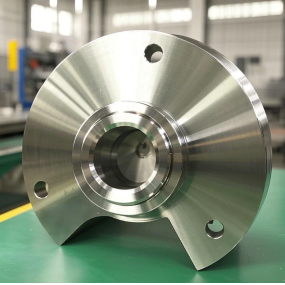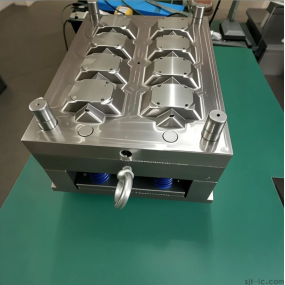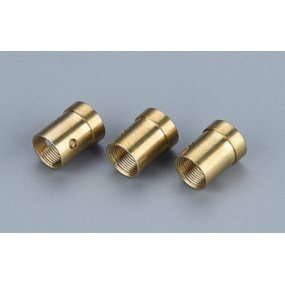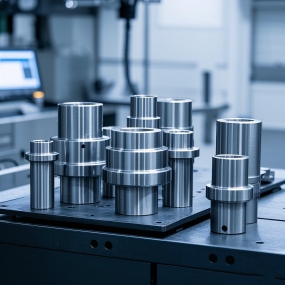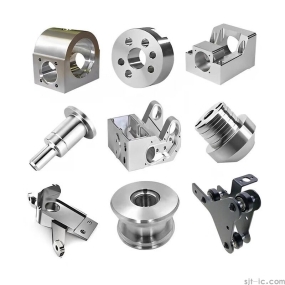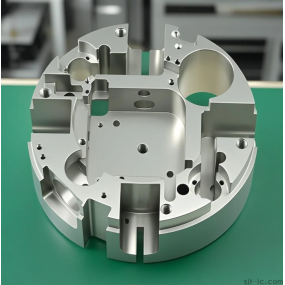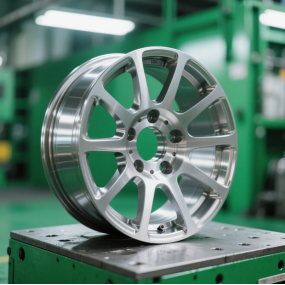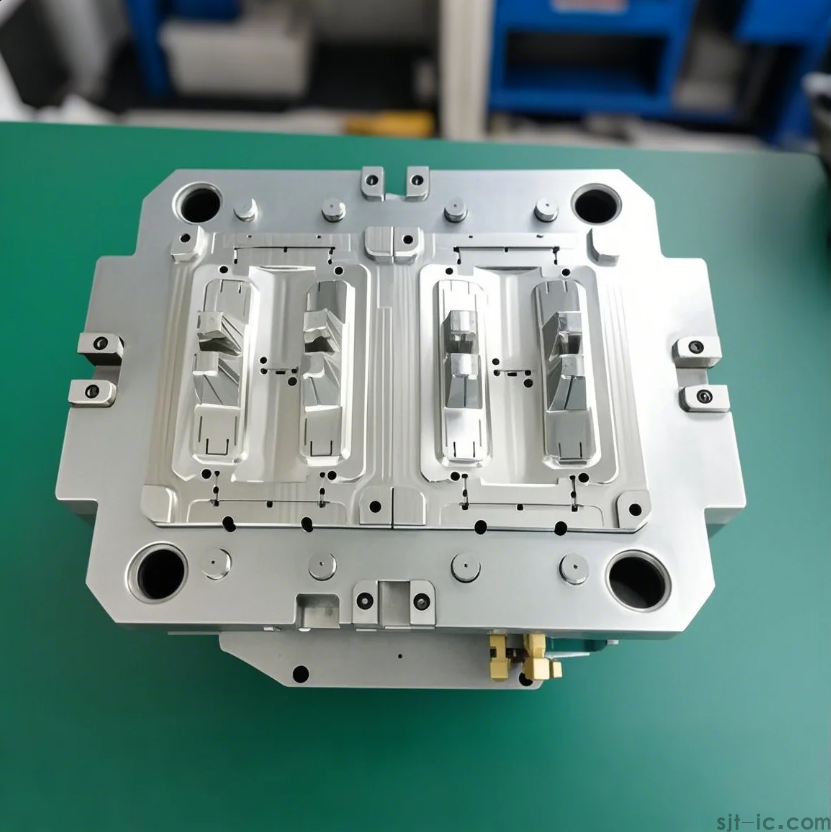
Industrial manufacturers need molds that are accurate, durable, and reliable for long-term production. A small error in mold dimensions can lead to product defects, production delays, and higher costs. This is why Precision CNC Mold Machining Services for Industrial Applications play an important role in modern manufacturing.
Precision CNC mold machining uses advanced computer-controlled machines to create complex molds with very tight tolerances. These services help industries produce plastic parts, metal components, and other products with stable quality, fast production cycles, and reduced waste. For companies that need high-performance molds, choosing an experienced CNC mold machining partner is essential.
Industrial products are becoming more complex. Many industries require molds with detailed structures, precise dimensions, and excellent surface finishes. Traditional machining methods may not provide the accuracy and consistency needed for these applications.
Precision CNC mold machining offers several important advantages:
For industrial applications, a high-quality mold is not only a production tool. It directly affects product performance, manufacturing efficiency, and market competitiveness.
The design stage is one of the most important steps in CNC mold machining. A well-planned design can prevent many problems during manufacturing, while poor communication can cause delays, extra costs, and mold performance issues.
Design considerations for industrial CNC mold machining should begin with clear communication between the mold manufacturer and the customer. Before machining starts, both sides should discuss the product requirements, production goals, and expected mold performance.
Customers should provide detailed information, including:
Experienced CNC mold machining providers can review these requirements and suggest improvements before production begins. Companies such as EMAR focus on working closely with customers to understand application needs and develop suitable precision mold solutions.
Choosing the correct mold material is critical for achieving long service life and stable performance. Different industrial applications require different material properties.
Material selection for industrial mold CNC machining usually considers hardness, wear resistance, thermal stability, corrosion resistance, and machining performance.
The right material choice helps prevent early mold failure, reduces maintenance frequency, and improves production reliability.
Precision CNC molds are produced through several machining operations. Each process requires suitable tools, cutting conditions, and careful control to achieve the required accuracy.
CNC milling is commonly used to create mold cavities, cores, pockets, and complex 3D surfaces. High-performance cutting tools, such as carbide end mills, are selected based on mold material hardness.
Machining parameters such as cutting speed, feed rate, and depth of cut must be carefully adjusted. Higher speeds may improve efficiency, but incorrect settings can increase tool wear or affect surface quality.
EDM is widely used for machining hard materials and complex mold details that are difficult to cut with traditional tools. It is especially useful for small corners, deep cavities, and fine structures.
Proper EDM settings help maintain dimensional accuracy while reducing surface damage.
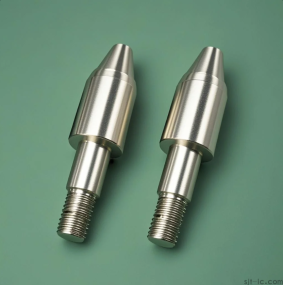
Turning operations are used for round mold components, inserts, shafts, and precision cylindrical parts. Accurate tool selection and stable cutting conditions are necessary to achieve smooth surfaces.
Grinding provides extremely accurate finishing for mold components that require tight tolerances. It improves surface smoothness and helps ensure proper fitting between mold parts.
One common challenge in precision mold manufacturing is controlling deformation during machining. Large cutting forces, heat generation, and uneven material removal can cause mold distortion.
Handling mold distortion in industrial CNC mold machining requires careful process planning:
Professional CNC machining teams analyze each mold design carefully to reduce distortion risks and maintain final dimensional accuracy.
After machining, additional treatments can improve mold performance and extend service life.
Post-machining processes for industrial CNC-machined molds often include:
These processes are especially important for industrial molds that operate under high pressure, high temperature, or continuous production conditions.
Quality control is essential because even small mold errors can affect thousands of finished products. A reliable CNC mold machining provider uses multiple inspection methods throughout the manufacturing process.
Quality control in industrial CNC mold machining services includes:
A complete quality management system helps ensure that every mold meets industrial standards and performs reliably in real production environments.
Selecting the right machining supplier can directly influence project cost, delivery time, and final product quality. Companies should consider several factors before making a decision.
EMAR provides precision CNC machining solutions with experience in mold manufacturing, engineering support, and quality control. By combining advanced equipment, skilled technicians, and careful production management, EMAR helps industrial customers develop accurate and durable molds for different applications.
Precision CNC mold machining is a key technology for industries that require reliable, high-quality products. From design communication and material selection to machining, post-processing, and inspection, every step affects the final mold performance.
By choosing professional Precision CNC Mold Machining Services for Industrial Applications, manufacturers can achieve better accuracy, reduce production risks, control costs, and create molds that support efficient long-term production.