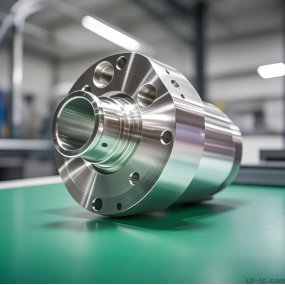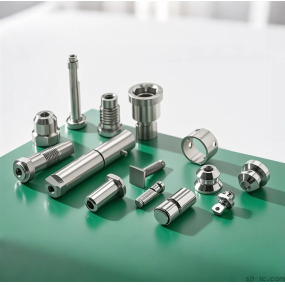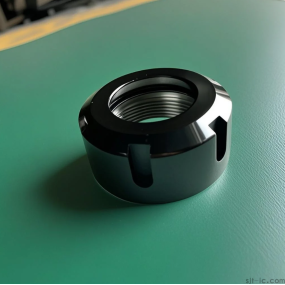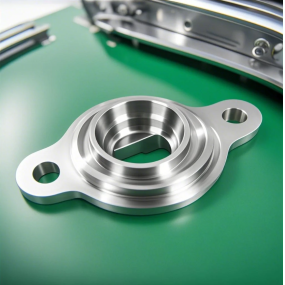
Industrial cameras are widely used in machine vision systems, automation equipment, inspection devices, and scientific instruments. A lens ring is a small but important accessory that connects and supports the camera lens. It must provide a secure fit, maintain optical alignment, and prevent problems such as vibration, light leakage, or inaccurate imaging.
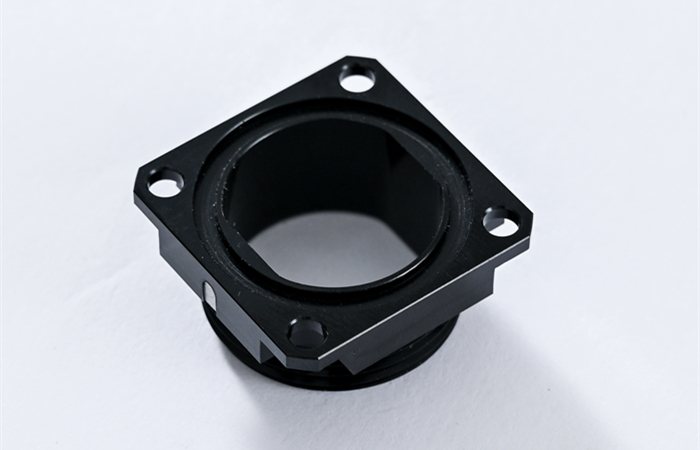
CNC machining industrial camera accessories lens ring is a manufacturing process that uses computer-controlled machines to produce lens rings with high accuracy and stable performance. Because industrial cameras often work in demanding environments, the lens ring needs careful material selection, precise design, advanced machining methods, and strict quality inspection.
Traditional manufacturing methods may not provide enough accuracy for camera accessories. CNC machining allows manufacturers to control the size, shape, and surface finish of each lens ring with high precision. It is suitable for both small prototype orders and large production runs.
For example, a factory using machine vision to inspect electronic parts may need hundreds of camera lens rings with the same dimensions. A small size difference between rings can affect lens installation and image quality. CNC machining helps keep every part consistent.
Material selection in CNC machining industrial camera lens ring directly affects weight, strength, durability, and machining performance. Different applications require different materials.
Aluminum is one of the most common materials for industrial camera lens rings. Aluminum alloys such as 6061 and 7075 are popular because they provide a good balance between strength and weight.
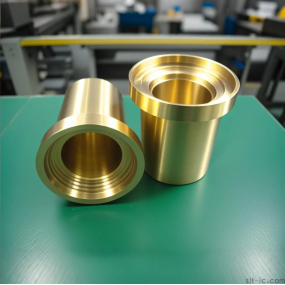
Brass is another suitable choice for some industrial camera lens rings. It has excellent machinability and can create precise threads for lens attachment.
The final material choice depends on the camera application. For lightweight equipment, aluminum is often preferred. For applications requiring excellent threading performance and durability, brass can be a better option.
Design considerations in CNC machining industrial camera lens ring are important because even a small design error can affect lens installation and image accuracy.
Threads are one of the most important features of a lens ring. The thread size and pitch must match the camera lens standard. Incorrect threads may cause loose installation, difficult assembly, or damage to the lens.
Before machining, engineers usually confirm the lens specification, thread type, and connection method. Common applications include machine vision cameras, inspection cameras, and laboratory imaging systems.
A lens ring must have accurate inner and outer diameters. The inner diameter controls how the lens sits inside the ring, while the outer dimensions affect connection with the camera body or mounting system.
Different industrial cameras may require special lens ring designs. Some examples include:
CNC machining techniques for industrial camera lens ring include several operations that work together to create a precise finished component.
CNC turning is commonly used because most lens rings have a round shape. During turning, the material rotates while cutting tools remove material to create the required diameter and smooth cylindrical surfaces.
Turning is especially important for controlling the roundness of the lens ring. A properly machined circular shape helps maintain stable lens positioning.
After the basic shape is created, CNC machines perform threading operations to produce the connection area. Accurate threads allow the lens to install easily while remaining secure during operation.
Poor thread quality can lead to lens movement, which may cause blurry images or incorrect inspection results.
CNC milling is used when the lens ring requires extra features, such as mounting slots, holes, flat surfaces, or special grooves.
For example, a camera used on an automated production line may require mounting holes so the lens assembly can be fixed firmly to a machine frame.
Precision requirements in CNC machining industrial camera lens ring are higher than those of many ordinary mechanical parts because lens position directly affects image quality.
The lens ring must maintain accurate positioning between the lens and camera sensor. Small errors in size or alignment can change focus accuracy or reduce image clarity.
High-precision CNC machining helps control:
A properly designed and machined lens ring helps block unwanted light from entering the camera system. Light leakage can create image noise, reflections, or inaccurate inspection results.
For example, in a factory vision system checking product defects, unwanted light may make the camera incorrectly identify good products as defective. A precise lens ring design helps avoid this issue.
Quality control in CNC machining industrial camera lens ring ensures that every finished part meets performance requirements before delivery.
Manufacturers use precision measuring tools to check critical dimensions. These inspections may include:
Advanced inspection equipment such as coordinate measuring machines (CMM) can be used for high-accuracy applications.
The surface of a lens ring should be smooth and clean. A poor surface finish may cause unwanted light reflection or affect assembly performance.
Manufacturers check for scratches, rough areas, and machining marks. Proper finishing processes, such as anodizing aluminum parts, can also improve durability and appearance.
A manufacturer of automated inspection equipment may need a lightweight lens ring for a high-speed camera. The design requires aluminum material, precise mounting threads, and a smooth inner surface to maintain image quality.
The production process may include CNC turning to create the round body, threading for lens installation, milling for mounting holes, and final inspection to confirm accuracy. This type of application shows why careful CNC machining is important for industrial camera accessories.
Producing industrial camera lens rings requires experience in precision machining, material handling, and quality management. A reliable supplier should understand both mechanical requirements and optical equipment needs.
EMAR provides CNC machining services for industrial camera lens rings and other precision components. With experience in high-precision machining, EMAR can handle complex designs, tight tolerances, different metal materials, and customized production requirements.
From prototype development to batch production, EMAR focuses on stable quality, accurate dimensions, and reliable delivery. For companies developing machine vision systems, automation equipment, and inspection devices, professional CNC machining support can help improve product performance and reduce manufacturing risks.
CNC machining industrial camera accessories lens ring production requires careful attention to materials, design, machining methods, precision control, and inspection. Aluminum offers lightweight advantages, while brass provides excellent machinability and corrosion resistance. Accurate threads, proper dimensions, and high-quality surfaces help ensure reliable lens performance.
By selecting suitable materials, applying the right CNC machining techniques, and following strict quality control procedures, manufacturers can create lens rings that support accurate and stable industrial imaging systems.