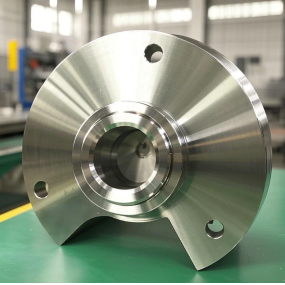
Modern industries require parts that can work accurately, safely, and consistently under demanding conditions. Precision CNC Machining Parts for Industrial Applications help manufacturers achieve high performance by providing components with tight tolerances, reliable dimensions, and excellent surface quality.
From automation equipment and aerospace systems to medical devices and industrial machinery, precision CNC parts are essential for improving product quality and reducing equipment failures. Choosing the right machining partner is important because even small errors in a component can affect the performance of an entire system.
The significance of precision in industrial CNC parts is directly connected to product reliability, safety, and production efficiency. Industrial machines often operate at high speeds and under heavy loads. If a component has incorrect dimensions or poor surface quality, it may cause vibration, wear, reduced efficiency, or unexpected downtime.
Precision CNC machining allows manufacturers to produce parts that meet strict engineering requirements. Accurate machining helps ensure:
For industries where accuracy is critical, precision is not only a quality requirement but also a way to reduce long-term operating costs.
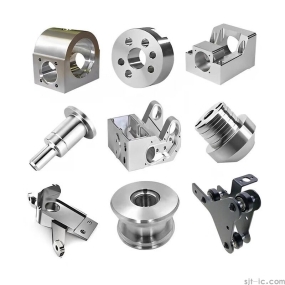
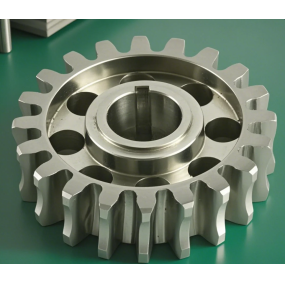
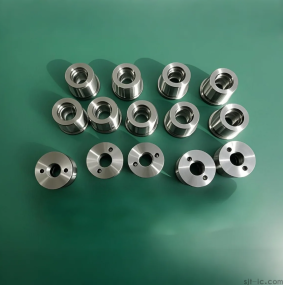
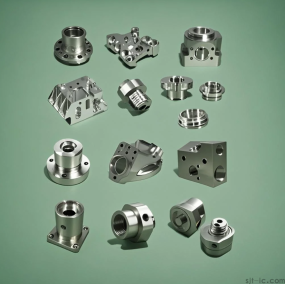
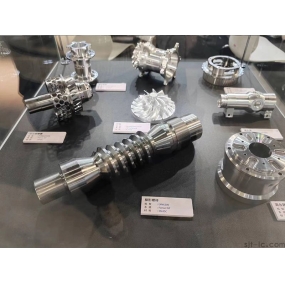
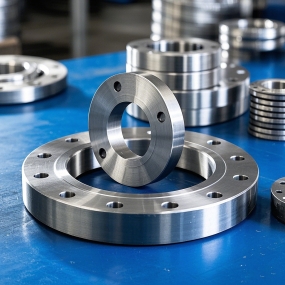
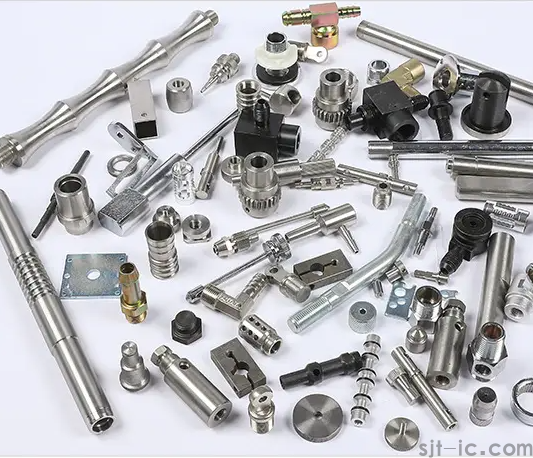
The common types of industrial precision CNC machining parts vary depending on the application and equipment requirements. CNC machining can produce both simple and highly complex components with consistent accuracy.
Common industrial CNC machined parts include:
Because CNC machining is highly flexible, manufacturers can create prototypes, small batches, and large-volume production parts according to specific industrial needs.
The machining process of precision CNC parts for industry involves several important steps. Each stage affects the final quality, accuracy, and performance of the finished component.
Engineering design and drawing review: Engineers analyze CAD drawings, dimensions, tolerances, and material requirements to prepare the machining plan.
Material preparation: The selected raw material is inspected and cut into a suitable size before machining.
CNC programming: Skilled technicians create machining programs that control cutting tools, speeds, and movements.
Precision machining: CNC milling, turning, drilling, grinding, and other operations are used to shape the part accurately.
Surface treatment and finishing: Additional processes such as polishing, anodizing, coating, or heat treatment may be applied to improve durability.
Final inspection: Finished parts are measured and tested to confirm they meet customer specifications.
A professional CNC machining supplier uses advanced equipment and experienced technicians to control every step of production. EMAR provides precision CNC machining services with capabilities in CNC milling, CNC turning, custom machining, and complex industrial component manufacturing to support different application requirements.
The material choices for industrial precision CNC parts have a major impact on strength, durability, weight, and machining performance. Selecting the correct material helps ensure that parts can operate effectively in their working environment.
Common materials used for industrial CNC machining include:
The best material depends on factors such as operating temperature, mechanical load, environmental conditions, required precision, and budget. Experienced manufacturers can help customers select materials that balance performance and cost.
The quality control in precision CNC machining for industrial applications ensures that every component meets required specifications before delivery. Industrial customers often need reliable parts because failures can interrupt production and increase operating expenses.
Important quality control methods include:
EMAR focuses on strict production control and inspection procedures to help customers receive consistent precision CNC machining parts. The company supports industries that require dependable components with accurate dimensions and stable performance.
The cost-related factors in industrial precision CNC machining parts depend on many elements, not only the machining time. Understanding these factors helps businesses plan their manufacturing budgets more effectively.
A reliable CNC machining supplier can help optimize designs, choose suitable materials, and improve production methods to achieve the right balance between quality and cost.
Selecting the right supplier is important for companies that depend on high-quality industrial components. A capable CNC machining partner should have:
EMAR has experience providing custom precision CNC machining solutions for industrial customers. With professional manufacturing capabilities, quality inspection processes, and support from design to production, EMAR helps businesses develop reliable CNC machining parts for various industrial applications.
Precision CNC Machining Parts for Industrial Applications play an important role in modern manufacturing by improving accuracy, efficiency, and equipment reliability. From selecting the right materials to controlling machining quality, every production step affects the final performance of industrial components.
By working with an experienced CNC machining supplier, companies can achieve high-quality parts while controlling production costs. With advanced machining technology and professional manufacturing experience, EMAR supports industrial customers with precision CNC machining solutions designed for demanding applications.