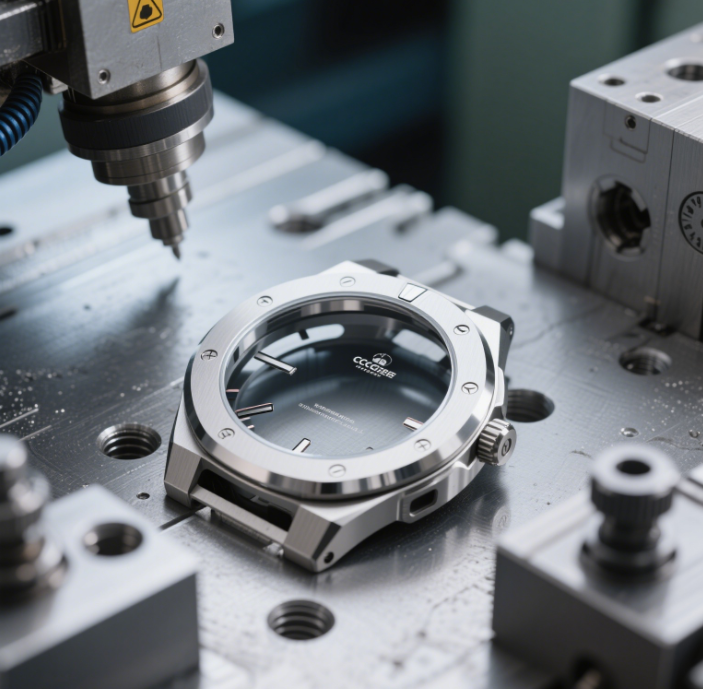
A watch case is more than just an outer shell. It protects the movement, supports important components, and defines the overall appearance and value of a watch. With the growing demand for high-end mechanical watches, smart watches, and customized timepieces, manufacturers need advanced solutions to create watch cases with excellent accuracy, durability, and visual quality.
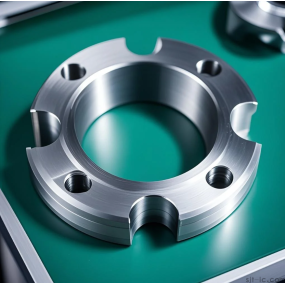
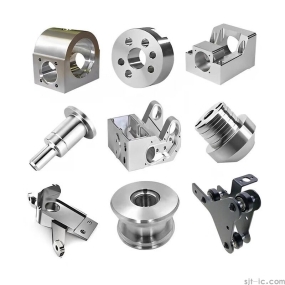
Precision CNC Machining for Watch Cases provides the accuracy and flexibility required for modern watch manufacturing. From selecting the right material to controlling every machining step, precision CNC technology helps manufacturers produce watch cases that meet strict size, appearance, and performance requirements. Companies like EMAR use advanced CNC machining capabilities and quality management systems to support customers in creating reliable and high-quality watch components.
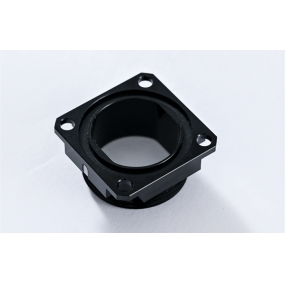
Precision is one of the most important factors in watch case CNC machining. A watch contains many small parts that must fit together perfectly, including the movement, crystal, crown, bezel, seals, and case back. Even a very small dimensional error can create problems during assembly and daily use.
For example, if the case dimensions are slightly incorrect, the movement may not sit properly inside the case. A poorly positioned crown hole can affect winding performance, while an inaccurate crystal seat may reduce water resistance. Small machining errors can also create uneven gaps, affecting the appearance of the final watch.
A precisely machined watch case provides several benefits:
A well-machined watch case is not only functional but also increases the perceived value of the watch. Luxury watch brands depend on precision manufacturing because customers expect excellent craftsmanship and long-term reliability.
Choosing the correct material is a key step in producing high-quality watch cases. Different materials offer different advantages in strength, weight, appearance, corrosion resistance, and machining difficulty. Understanding material selection for watch case CNC helps manufacturers balance performance and cost.
Stainless steel is one of the most common materials used for watch cases because it offers a good balance between durability, appearance, and price. It has excellent corrosion resistance and can maintain its appearance for many years.
316L stainless steel is widely used in daily-wear watches because it provides excellent corrosion resistance and good machinability. It is suitable for watches exposed to moisture, sweat, and outdoor environments.
904L stainless steel provides even higher corrosion resistance and a brighter surface finish. It is often selected for premium watches because it creates a more luxurious appearance, although it requires more careful machining due to its higher hardness.
Titanium is popular for sports watches and large-size watch cases because it is lightweight but extremely strong. Its low density makes large watches more comfortable to wear compared with stainless steel alternatives.
Titanium is also biocompatible, meaning it is friendly to sensitive skin. This makes it a good choice for users who need comfortable materials for long-term wear. However, titanium requires careful CNC machining because its low thermal conductivity can increase cutting tool wear.
Ceramic watch cases are valued for their high hardness, excellent scratch resistance, and smooth premium appearance. They can maintain a clean surface even after years of use.
Although ceramics provide outstanding performance, machining them requires specialized techniques because ceramic materials are hard and brittle. Precision control is necessary to avoid cracks or surface damage.
Gold, silver, and platinum are used for luxury watch cases because they provide exceptional beauty and high value. These materials create a premium appearance that is difficult to achieve with common metals.
However, precious metals require careful machining. Their softness means they can be easily scratched or damaged during production. CNC machining parameters, cutting tools, and handling processes must be carefully controlled to maintain the final quality.
The production of a watch case involves multiple CNC machining operations. Each process must be carefully controlled to achieve accurate dimensions and excellent surface quality. Understanding the machining processes in watch case precision helps manufacturers select the right production methods.
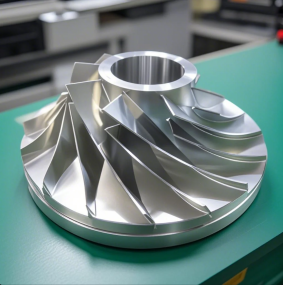
CNC milling is commonly used to shape the main body of the watch case, create lugs, machine grooves, and produce detailed patterns or engravings.
High-precision milling cutters are used to achieve complex shapes. Micro end mills are especially useful for small details, such as decorative engraving, logos, and fine surface structures.
Typical milling considerations include:
Turning is mainly used for circular watch components, including bezels, case backs, and cylindrical surfaces. During turning, the workpiece rotates while cutting tools remove material to create accurate diameters and smooth finishes.
Proper tool selection is essential for achieving excellent surface quality. Sharp cutting tools, stable machine setups, and optimized cutting conditions help produce smooth and accurate watch components.
Drilling and boring processes create precise holes for crowns, pushers, screws, and other watch components. The position and size of these holes must be highly accurate to ensure proper assembly.
Incorrect hole alignment can cause functional problems, such as difficult crown operation or poor sealing performance. CNC machines with accurate positioning systems help maintain consistent results.
After machining, watch cases usually require additional finishing processes to improve appearance and surface performance.
Quality control is essential because watch cases require extremely tight tolerances. A small defect can affect both performance and customer satisfaction. Effective quality control of watch case CNC machining ensures that every component meets required specifications.
During production, manufacturers use advanced measuring equipment, including:
Modern CNC systems can also include real-time monitoring technology. These systems detect machining deviations and allow operators to make adjustments before defects occur.
Final inspections usually include:
Professional CNC machining suppliers such as EMAR focus on strict inspection procedures to provide reliable watch case solutions for different industries and applications.
High precision does not mean production must become unnecessarily expensive. Proper planning can improve cost-effectiveness in watch case production while maintaining excellent quality.
Several factors influence the total machining cost:
Manufacturers can improve cost efficiency by optimizing product designs before machining. Reducing unnecessary machining areas, selecting suitable materials, and improving production planning can lower costs without reducing quality.
Batch production is another effective strategy. When the same watch case design is produced in larger quantities, manufacturers can optimize machine settings and reduce preparation time. Regular equipment maintenance also helps prevent unexpected downtime and expensive repairs.
One major advantage of CNC machining is its ability to support creative and customized watch designs. With advanced CAD/CAM software, designers can develop complex watch cases that would be difficult to produce using traditional methods.
Design flexibility in watch case CNC allows manufacturers to create:
For example, CNC machining can produce skeleton-style cases with precise openings, modern geometric designs, or personalized watch cases with customer-specific details. Designers can quickly modify digital models and produce prototypes before moving into mass production.
This flexibility is especially valuable for luxury watch brands and custom watchmakers who need distinctive designs that stand out in the market.
Producing a high-quality watch case requires more than advanced machines. It requires experience in material handling, machining technology, surface finishing, and quality management.
EMAR provides precision CNC machining solutions with professional manufacturing experience, helping customers achieve accurate, durable, and visually attractive watch cases. Through advanced equipment, skilled technicians, and strict inspection processes, EMAR supports both customized designs and large-scale production needs.
For watch manufacturers seeking reliable performance, attractive appearance, and controlled production costs, Precision CNC Machining for Watch Cases offers the ideal solution. By combining accurate machining, suitable materials, advanced processes, and strict quality control, manufacturers can create watch cases that deliver lasting value and exceptional user experiences.