Manufacturers today face increasing pressure to produce high-quality parts faster, reduce costs, and meet strict quality requirements. Traditional machining methods often depend heavily on operator experience, manual adjustments, and repeated inspections, which can slow production and increase the risk of mistakes.
How CNC Precision Machining Enhances Manufacturing Efficiency is becoming a key question for companies looking to improve their production processes. CNC precision machining helps manufacturers achieve higher accuracy, faster production, better material usage, and more flexible product development through advanced computer-controlled technology.
Companies such as EMAR use advanced CNC precision machining technologies to help industries produce reliable metal components with improved efficiency. By combining skilled engineering, modern equipment, and strict quality control, CNC Machining provides a practical solution for many manufacturing challenges.
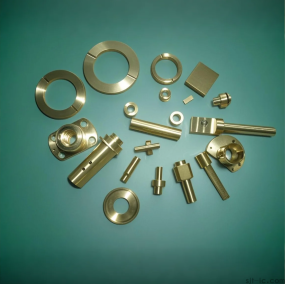
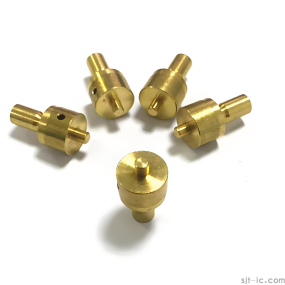
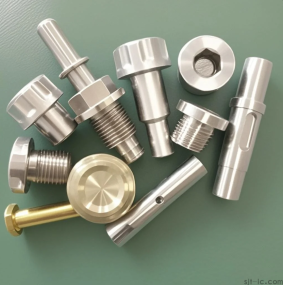
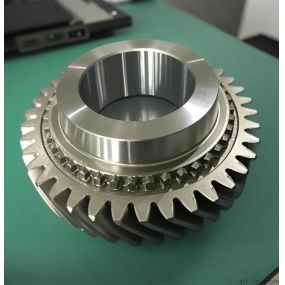
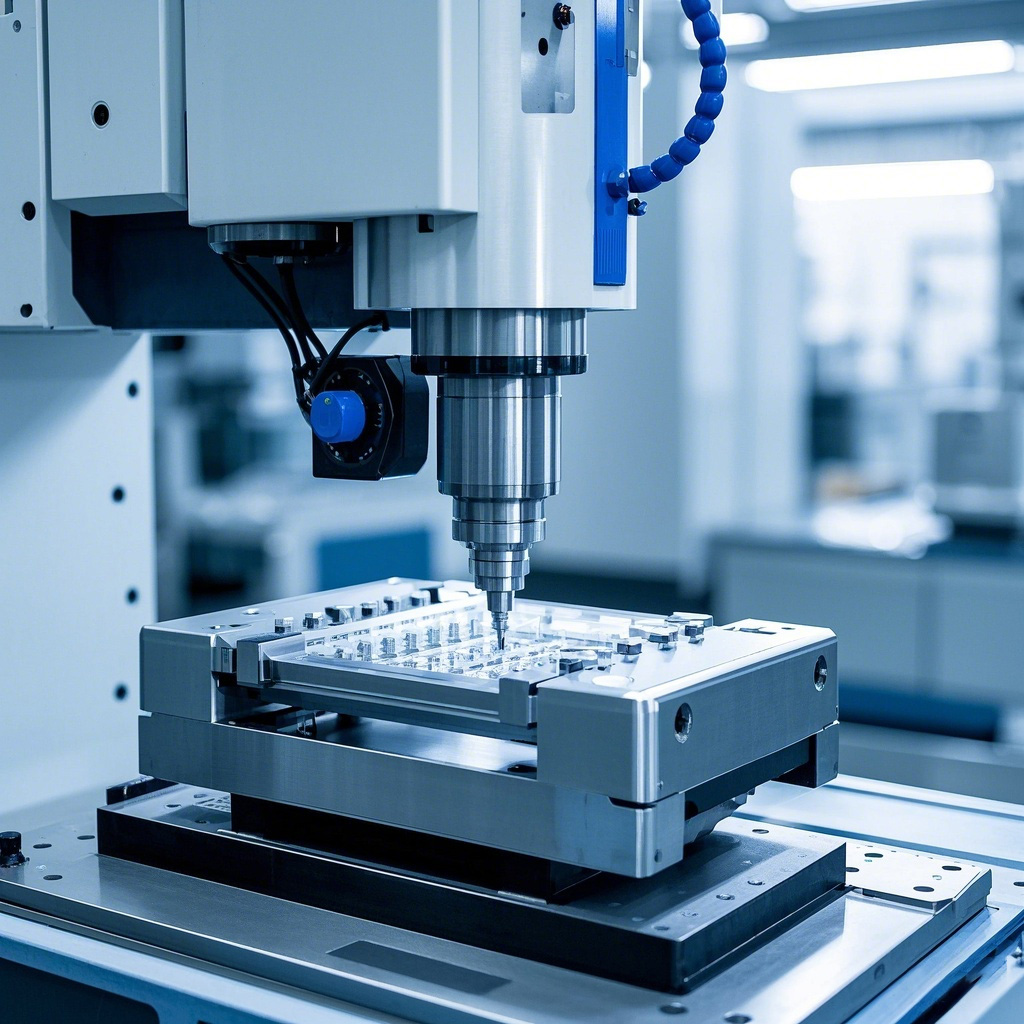
CNC precision machining is a manufacturing process that uses computer-controlled machines to create accurate parts from metal, plastic, and other materials. CNC stands for Computer Numerical Control. Instead of manually controlling cutting tools, operators use programmed instructions that tell the machine how to move, cut, drill, shape, or finish a part.
A CNC machine follows digital instructions created from engineering designs. The machine automatically controls tool movement, cutting speed, and machining operations to produce parts with very small tolerances.
Compared with traditional machining, CNC precision machining requires less manual control. Traditional methods depend more on the operator's skill to measure parts, adjust tools, and control machining movements. CNC machining uses automated control, which improves repeatability and reduces production variations.
A CNC machining system includes several important components that work together:
When these components work together, manufacturers can produce complex parts with high accuracy and consistent results. This combination is one reason CNC precision machining has become essential in modern manufacturing.
One of the biggest advantages of CNC precision machining is CNC machining and human error reduction. In traditional machining, mistakes can happen because of incorrect measurements, wrong tool settings, fatigue, or differences between operators.
For example, in automotive manufacturing, a small dimensional error in an engine component can affect assembly performance and product reliability. In electronics manufacturing, inaccurate machining of a small housing or connector can cause fitting problems or equipment failure.
CNC machines reduce these risks by following the same programmed instructions every time. Once a machining program is tested and approved, the machine can repeat the process with minimal variation.
Manufacturing industries often require strict quality standards. Medical devices, aerospace components, and industrial equipment parts must meet exact specifications because even a small difference can affect safety and performance.
CNC machines provide high repeatability, allowing manufacturers to produce many identical parts with consistent dimensions. This makes quality control easier and reduces the number of defective products.
Professional CNC machining providers like EMAR focus on precision inspection methods, process monitoring, and advanced machining equipment to ensure every component meets customer requirements.
Production speed is a major concern for manufacturers. CNC machines can operate for long periods with limited interruption, allowing companies to increase output compared with manual machining processes.
Faster production with CNC precision is especially valuable for high-volume manufacturing. A CNC machine can continue producing parts after programming and setup are completed, reducing labor time and improving production efficiency.
For example, manufacturers producing hundreds or thousands of metal components can use CNC machining to maintain stable production schedules while keeping part quality consistent.
Modern CNC machines can perform several machining operations in one setup. Automatic tool changers allow the machine to switch between different cutting tools quickly.
For example, when producing a complex metal part, a CNC milling machine can complete drilling, milling, and tapping operations without moving the part to different machines. This reduces setup time, improves accuracy, and shortens the total manufacturing cycle.
Reducing the number of setups also lowers the chance of positioning errors, creating a smoother and more efficient production process.
Modern products often require shapes that are difficult to manufacture using traditional methods. CNC precision machining allows manufacturers to create detailed and complex designs with high accuracy.
Complex geometries in CNC machining are commonly used in industries such as aerospace, medical technology, automotive, and precision engineering.
Multi-axis machining, such as 5-axis CNC machining, provides even greater manufacturing flexibility. Instead of moving only along basic X, Y, and Z directions, multi-axis machines can rotate and position parts from different angles.
This allows manufacturers to:
For industries requiring advanced component designs, multi-axis CNC machining offers a major advantage over traditional manufacturing methods.
Material waste directly affects manufacturing costs. CNC machining software helps companies improve material usage by creating optimized cutting paths.
Material optimization in CNC manufacturing allows software to calculate the best tool movements and arrange cutting patterns efficiently. This reduces unnecessary material removal and helps manufacturers get more parts from each piece of raw material.
For example, when machining aluminum plates or stainless steel sheets, optimized nesting software can reduce gaps between parts and lower material purchasing costs.
Although CNC machines require an initial investment in equipment, software, and training, the long-term benefits often outweigh the starting costs.
CNC precision machining reduces expenses through:
Over the lifetime of a manufacturing project, CNC machining often provides better cost efficiency compared with slower manual production methods.
Modern CNC machining works closely with CAD/CAM systems to connect product design and manufacturing. Engineers first create detailed 3D models using CAD software. CAM software then converts these designs into machining instructions that CNC machines can understand.
CAD/CAM integration in CNC efficiency removes many manual steps between design and production. This reduces communication errors, shortens preparation time, and allows manufacturers to move from concept to finished parts faster.
Product designs often need changes during development. With CAD/CAM integration, engineers can quickly modify digital models and generate updated machining programs.
This makes rapid prototyping and product improvement easier. Manufacturers can test new designs, make adjustments, and produce updated parts without rebuilding the entire manufacturing process.
CNC precision machining has transformed modern manufacturing by combining automation, accuracy, and flexibility. It helps companies solve common production challenges, including inconsistent quality, slow processing times, material waste, and complex design requirements.
The main benefits include:
For businesses searching for reliable CNC precision machining solutions, working with an experienced manufacturer is important. EMAR provides CNC machining expertise, advanced production capabilities, and quality-focused manufacturing services to support industries that need efficient and accurate components.
As manufacturing continues to become more competitive, CNC precision machining will remain a critical technology for companies seeking higher productivity, lower costs, and better product quality.