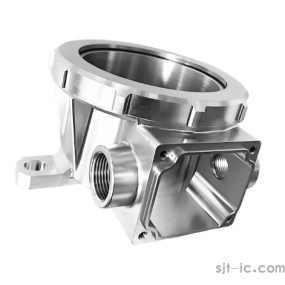
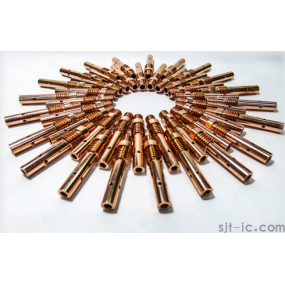
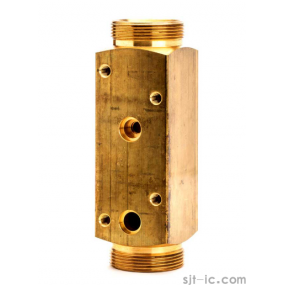
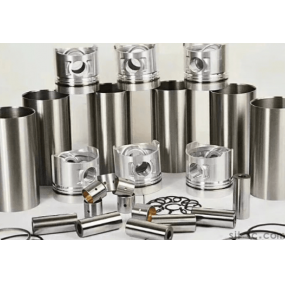
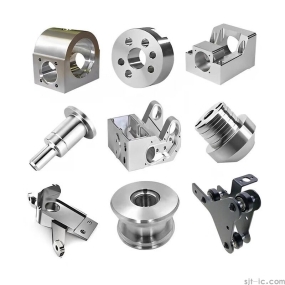
When companies need accurate, durable, and lightweight components, Precision CNC Machining Services for High-Quality Aluminum Parts are often the best solution. Aluminum parts are widely used in industries such as aerospace, automotive, electronics, medical equipment, and industrial machinery because they combine excellent performance with cost efficiency.
However, finding a reliable CNC machining partner can be challenging. Many customers worry about inconsistent quality, high production costs, material selection mistakes, and machining problems that affect final part performance. A professional CNC machining supplier can help solve these issues through advanced equipment, experienced engineers, strict inspection systems, and optimized production processes.
Why Precision CNC Machining Is Ideal for High-Quality Aluminum Parts
Precision CNC machining uses computer-controlled machines to remove material from aluminum blocks, bars, or sheets with very high accuracy. Compared with traditional machining methods, CNC technology provides better repeatability, tighter tolerances, and stable quality for both prototypes and large-volume production.
The main advantages of CNC machining for aluminum parts include:
- Tight tolerances: CNC machines can produce parts with precise dimensions, making them suitable for assemblies that require accurate fitting.
- Complex geometries: Multi-axis CNC machines can create complicated shapes, thin walls, deep pockets, and detailed features.
- Consistent quality: Once the CNC program is optimized, every produced part can maintain the same specifications.
- Fast production: Automated machining reduces manual operations and improves production efficiency.
- Flexible customization: CNC machining supports prototypes, small batches, and high-volume manufacturing.
For businesses requiring reliable aluminum components, precision CNC machining reduces production risks while improving product performance and assembly accuracy.
Why Aluminum Is a Popular Material for CNC Machining
Aluminum is one of the most commonly used materials in precision machining because it offers a strong balance between performance, weight, and manufacturing cost.
Important properties of aluminum include:
- Lightweight: Aluminum parts are much lighter than steel components, which helps reduce overall product weight and energy consumption.
- Good thermal conductivity: Aluminum quickly transfers heat, making it suitable for heat sinks, electronic housings, and cooling components.
- Corrosion resistance: A natural oxide layer protects aluminum from many environmental conditions.
- Excellent machinability: Aluminum is easier to cut than many harder metals, allowing faster machining speeds and lower tool wear.
- Good strength-to-weight ratio: Aluminum alloys provide strong performance without unnecessary weight.
These advantages make aluminum suitable for applications where precision, durability, and lightweight design are important.
Aluminum Alloy Selection for Precision CNC Machining
Choosing the correct aluminum alloy is one of the most important steps in producing high-quality CNC parts. Different alloys have different levels of strength, machinability, corrosion resistance, and surface finish performance.
Common Aluminum Alloys Used in Precision Machining
- Aluminum 6061: A popular general-purpose alloy with good strength, corrosion resistance, and machinability. It is commonly used for machine parts, brackets, housings, and structural components.
- Aluminum 7075: A high-strength alloy often used in aerospace and demanding applications. It provides excellent mechanical performance but requires more careful machining control.
- Aluminum 5052: Known for strong corrosion resistance and good forming ability. It is often used for marine components and sheet metal applications.
- Aluminum 2024: A strong alloy with good fatigue resistance, commonly used in aerospace components.
- Aluminum 6063: Provides good surface finish and is suitable for decorative parts, frames, and extrusion-based components.
Proper aluminum alloy selection for precision CNC machining helps ensure the final part meets strength, appearance, and performance requirements.
Machining Processes for High-Quality Aluminum Parts
The production of precision aluminum components usually involves several CNC machining processes. The correct process combination depends on the part design, material, tolerance requirements, and production volume.
CNC Milling
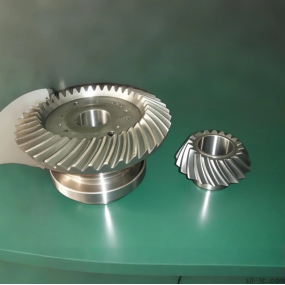
CNC milling is widely used for aluminum parts with complex shapes. It can create slots, pockets, holes, curved surfaces, and detailed features. Multi-axis milling machines improve flexibility and allow manufacturers to produce advanced geometries with fewer setups.
CNC Turning
CNC turning is suitable for cylindrical aluminum parts such as shafts, bushings, connectors, and rotating components. The cutting tool removes material while the aluminum workpiece rotates, creating accurate round features.
CNC Drilling
Drilling creates precise holes for fasteners, assembly points, and functional features. Proper tool selection and chip removal methods are important to maintain hole accuracy.
Specialized Finishing Processes
Additional processes may include:
- Anodizing for improved corrosion resistance and surface appearance.
- Deburring to remove sharp edges and improve safety.
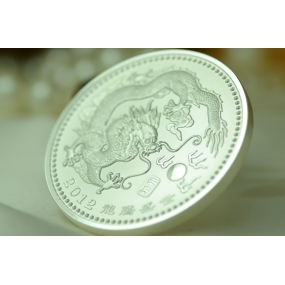
- Surface polishing for better appearance and smoother finishes.
- Laser marking for identification and traceability.
Understanding the right machining processes for high-quality aluminum parts helps manufacturers achieve better performance, appearance, and production efficiency.
Choosing Proper Tools and Cutting Parameters for Aluminum Machining
Although aluminum is easy to machine, incorrect cutting conditions can reduce accuracy, damage tools, or create poor surface finishes. Professional CNC machining requires optimized tool selection and machining parameters.
Recommended Tool Selection
- Use sharp carbide cutting tools designed for aluminum machining.
- Select tools with polished flutes to reduce chip sticking.
- Use proper tool coatings when needed to improve tool life.
Cutting Parameters
The exact cutting conditions depend on the alloy, machine capability, and tool type, but general guidelines include:
- High cutting speed: Aluminum allows higher spindle speeds compared with many metals.
- Suitable feed rate: The feed rate should be balanced to achieve good material removal while maintaining surface quality.
- Proper depth of cut: Larger cuts improve efficiency, while lighter finishing cuts improve accuracy and surface finish.
Coolant or air blasting is often used to control heat and improve chip removal during machining.
Handling Challenges in Aluminum CNC Machining
Although aluminum is highly machinable, manufacturers still need to manage several challenges to maintain precision and quality.
- Minimizing burr formation: Sharp tools, proper cutting parameters, and secondary deburring processes help reduce unwanted edges.
- Preventing heat-induced deformation: Excessive heat can affect dimensions. Proper cooling and machining strategies help maintain stability.
- Improving chip evacuation: Aluminum chips can become long and sticky. Effective coolant flow and tool design prevent chip buildup.
- Maintaining surface finish: Correct speeds, feeds, and finishing passes help achieve smooth surfaces.
Experienced manufacturers focus on handling challenges in aluminum CNC machining to prevent defects and deliver reliable parts.
Quality Control in Precision Aluminum Part Machining
Quality control is essential when producing precision aluminum components. A professional CNC supplier should have a complete inspection system throughout the manufacturing process.
Important quality control methods include:
- In-process inspections: Operators check critical dimensions during machining to identify problems early.
- Dimensional checks: Precision measuring tools such as coordinate measuring machines (CMM), calipers, and micrometers verify part accuracy.
- Surface finish evaluation: Surface roughness testing ensures the final part meets appearance and functional requirements.
- Material verification: Aluminum alloy certificates and material checks confirm the correct raw material is used.
- Final inspection reports: Detailed inspection records provide customers with confidence in product quality.
Strong quality control in precision aluminum part machining reduces the risk of assembly problems, product failures, and unnecessary costs.
Cost-Effectiveness of Precision CNC Aluminum Machining
High-quality machining does not only depend on accuracy; it also requires efficient cost management. CNC machining helps reduce total manufacturing costs through better process control.
Key cost advantages include:
- Reduced material waste: Optimized CNC programming minimizes unnecessary cutting and improves material usage.
- Higher production efficiency: Automated machining reduces labor requirements and shortens production cycles.
- Lower defect rates: Accurate processes reduce rework and scrap costs.
- Long-term value: High-quality aluminum parts often provide better durability and reliability, reducing future maintenance costs.
Working with an experienced CNC partner helps balance quality, delivery time, and production costs.
How to Choose a CNC Service for Aluminum Parts
Selecting the right machining provider is critical for achieving reliable results. Before choosing a supplier, consider the following factors:
- Technical experience: Look for a company with proven experience machining aluminum parts for your industry.
- Advanced equipment: Modern CNC milling and turning machines improve accuracy and production capability.
- Quality management: Check whether the supplier has inspection equipment and documented quality procedures.
- Engineering support: A good supplier should provide design feedback and machining recommendations.
- Production flexibility: The company should support prototypes, small batches, and mass production.
- Communication and delivery reliability: Clear communication helps prevent delays and misunderstandings.
When choosing a CNC service for aluminum parts, companies should focus on technical ability, quality systems, and long-term cooperation rather than only comparing prices.
Reliable Precision CNC Machining Solutions from EMAR
EMAR provides professional CNC machining solutions focused on producing high-quality aluminum parts with reliable accuracy and consistent performance. With advanced CNC equipment, experienced machining engineers, and strict quality inspection processes, EMAR supports customers from prototype development to production manufacturing.
By combining suitable aluminum alloy selection, optimized machining processes, and effective quality control, EMAR helps customers achieve precision components that meet demanding application requirements while maintaining cost efficiency.
For businesses seeking dependable Precision CNC Machining Services for High-Quality Aluminum Parts, working with an experienced manufacturer can make the difference between average components and reliable, high-performance products.