Spanish
 Arabic
 French
 Portuguese
 Belarusian
 Japanese
 Russian
 Malay
Malay Icelandic
 Bulgarian
 Azerbaijani
 Estonian
 Irish
Irish Polish
 Persian
 Boolean
 Danish
 German
 Filipino
 Finnish
 Korean
 Dutch
Dutch Galician
 Catalan
 Czech
Czech Croatian
 Latin
Latin Latvian
 Romanian
 Maltese
 Macedonian
 Norwegian
 Swedish
 Serbian
 Slovak
 Slovenian
 Swahili
 Thai
Thai Turkish
 Welsh
Welsh Urdu
Urdu Ukrainian
 Greek
Greek Hungarian
 Italian
 Yiddish
 Indonesian
 Vietnamese
 Haitian Creole
 Spanish Basque

HTML
Flange Plate CNC Machining Process
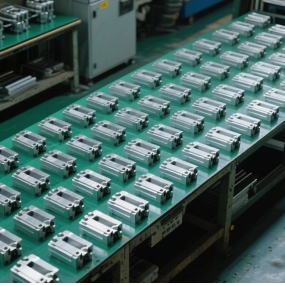
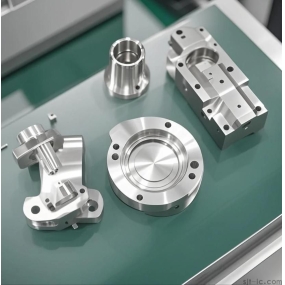
The Flange Plate CNC Machining Process is a key manufacturing method used to produce strong, accurate, and durable flange plates for pipelines, machinery, and industrial systems. Many industries depend on flange plates to ensure safe connections, prevent leakage, and maintain pressure stability.
However, many buyers and engineers face common problems such as poor dimensional accuracy, surface defects, or inconsistent quality. Understanding the machining process helps you choose the right supplier and avoid costly mistakes.
What Makes Flange Plate CNC Machining Important?
Flange plates must fit perfectly with other parts. Even a small error can lead to leakage or system failure. CNC machining solves this problem by using computer-controlled precision cutting, ensuring every flange plate meets strict design requirements.
Compared with traditional manual machining, CNC technology provides higher consistency, better surface finish, and faster production efficiency.
Steps in Flange Plate CNC Machining
The steps in flange plate CNC machining are carefully designed to ensure accuracy and stability:
- Material selection – Common materials include carbon steel, stainless steel, and alloy steel depending on pressure and environment requirements.
- Rough cutting – The raw material is cut into basic flange shape.
- CNC turning – The outer diameter and thickness are precisely machined.
- Drilling bolt holes – Holes are drilled with exact spacing for proper assembly.
- Finishing process – Surface smoothing and edge finishing improve sealing performance.
Each step must be controlled carefully to ensure the final product meets industrial standards.
Tools Used in Flange Plate CNC Machining
The tools used in flange plate CNC machining play a major role in determining quality and efficiency. Common tools include:
- CNC lathes for shaping and turning
- Drilling machines for bolt hole creation
- Milling cutters for surface and edge finishing
- Precision measuring tools such as calipers and micrometers
High-quality tools reduce wear errors and improve the consistency of each flange plate.
Precision Requirements for Flange Plate CNC Machining
The precision requirements for flange plate CNC machining are very strict because flange plates must match perfectly with pipes and equipment.
Key requirements include:
- Tolerance control within micrometer-level accuracy
- Perfect alignment of bolt holes
- Smooth sealing surfaces to prevent leakage
- Consistent thickness across the entire plate
Even a small deviation can affect system safety and performance, especially in high-pressure environments like oil, gas, and chemical industries.
Quality Control in Flange Plate CNC Machining
Quality control in flange plate CNC machining ensures every product meets design and safety standards before delivery.
Reliable manufacturers usually follow these steps:
- Incoming material inspection
- In-process measurement during machining
- Final inspection using precision testing equipment
- Surface and hardness testing when required
Strong quality control reduces defects and ensures long-term performance of flange plates in real applications.
Common Issues in Flange Plate CNC Machining
There are several common issues in flange plate CNC machining that manufacturers and buyers should be aware of:
- Dimensional errors caused by tool wear
- Improper hole alignment affecting assembly
- Surface roughness leading to sealing failure
- Material deformation during machining
These problems can often be avoided by using advanced CNC equipment and strict process control systems.
Why Choosing the Right Partner Matters
The success of the Flange Plate CNC Machining Process depends heavily on the manufacturer’s experience, equipment, and quality system. A reliable supplier not only ensures precision but also reduces production risks and long-term maintenance costs.
EMAR provides professional flange plate CNC machining services with advanced equipment, strict inspection standards, and experienced engineering support. From small batches to large-scale production, EMAR focuses on delivering stable quality and precise machining results that meet international industrial requirements.
If you are looking for a dependable machining partner, choosing an experienced company like EMAR can help you improve product reliability and reduce project risks.
Conclusion
The flange plate CNC machining process is a critical part of modern industrial manufacturing. By understanding its steps, tools, precision requirements, and quality control methods, you can make better decisions when selecting suppliers and ensure safer, more reliable applications.