Spanish
 Arabic
 French
 Portuguese
 Belarusian
 Japanese
 Russian
 Malay
Malay Icelandic
 Bulgarian
 Azerbaijani
 Estonian
 Irish
Irish Polish
 Persian
 Boolean
 Danish
 German
 Filipino
 Finnish
 Korean
 Dutch
Dutch Galician
 Catalan
 Czech
Czech Croatian
 Latin
Latin Latvian
 Romanian
 Maltese
 Macedonian
 Norwegian
 Swedish
 Serbian
 Slovak
 Slovenian
 Swahili
 Thai
Thai Turkish
 Welsh
Welsh Urdu
Urdu Ukrainian
 Greek
Greek Hungarian
 Italian
 Yiddish
 Indonesian
 Vietnamese
 Haitian Creole
 Spanish Basque

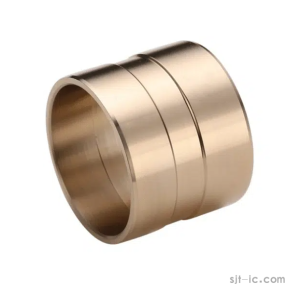
The most commonly used materials in stamping processing are copper, pure copper, brass, and bronze.
In stamping, pure copper, H62 brass, and H68 brass have better stamping processability. Compared to H68 brass, H62 brass has stronger cold work hardening.
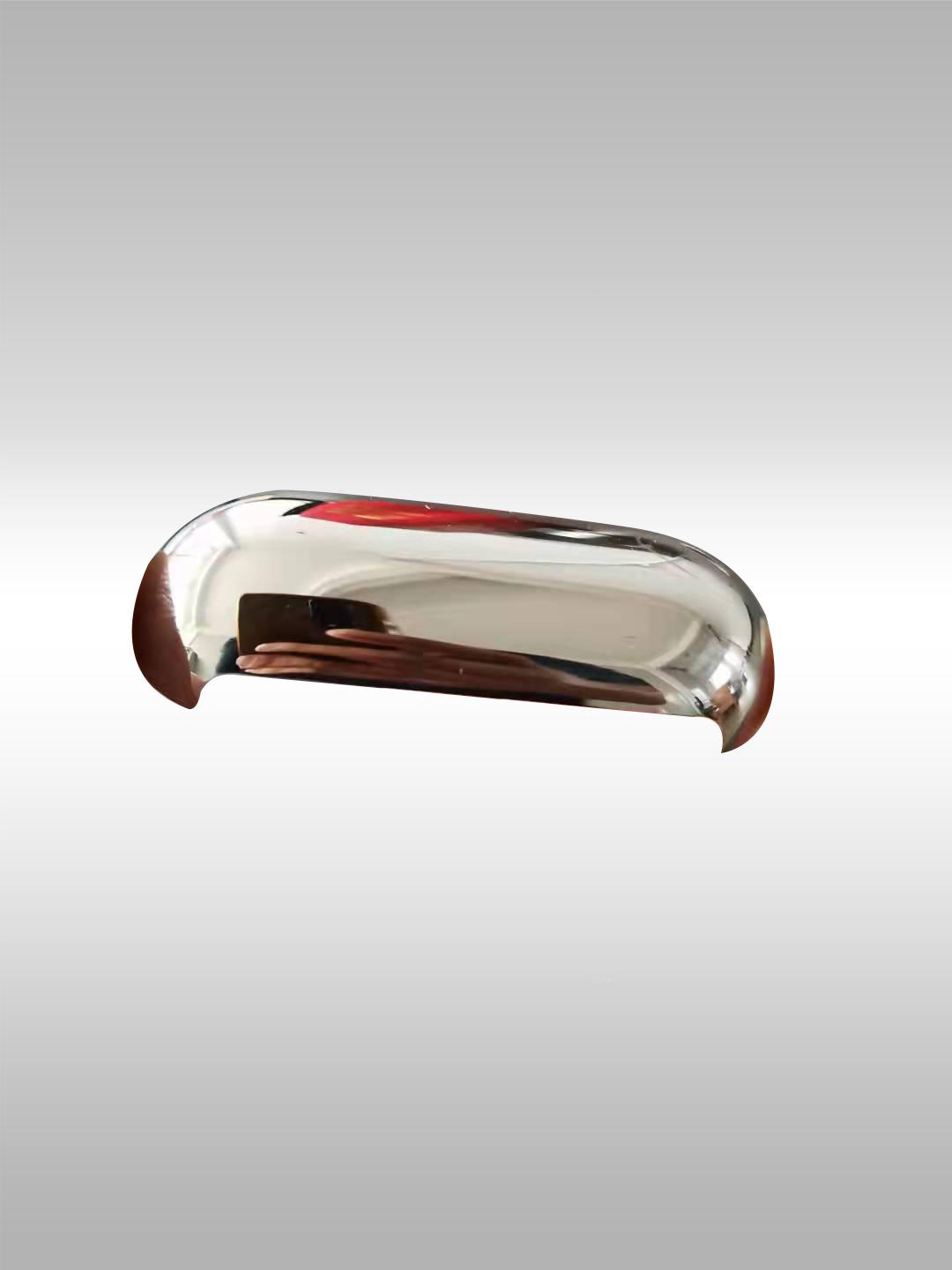
Bronze is used as a corrosion-resistant, spring-loaded, and wear-resistant component, and there are significant differences in performance between different grades. Generally speaking, the stamping process of bronze is inferior to that of brass. Bronze has stronger cold work hardening than brass and requires frequent intermediate annealing.
Most brass and bronze have good stamping processability in the hot state, but heating can bring many inconveniences to production. Copper and many copper alloys exhibit a significant decrease in plasticity at temperatures between 200 and 400 degrees Celsius compared to room temperature. Therefore, hot stamping is generally not used. If hot stamping is necessary, the actual hot pressing temperature on the mold (note that the billet may experience some degree of cooling during transportation) should be avoided from operating within the temperature range of 200 to 400 degrees Celsius.