Automated Processing of Sheet Metal Medical Equipment: Materials, Techniques, Design, and Quality Control
The automated processing of sheet metal medical equipment is an important manufacturing method used to produce safe, accurate, and reliable medical devices. Modern medical equipment often requires metal parts with high strength, clean surfaces, and precise dimensions. Automation helps manufacturers achieve stable production quality while reducing human errors and improving efficiency.
Sheet metal parts are widely used in medical equipment, including equipment cabinets, surgical instrument housings, hospital carts, diagnostic machine frames, and protective covers. Through automated cutting, bending, welding, and inspection processes, manufacturers can create components that meet strict medical industry requirements.
Why Sheet Metal Is Used for Medical Equipment
Medical equipment must work safely in demanding environments. Components need to resist corrosion, support repeated cleaning, and maintain their shape after long-term use. Sheet metal is a popular choice because it provides a good balance of strength, durability, hygiene, and manufacturing flexibility.
The choice of material is one of the first steps in production. Proper material selection in automated sheet metal medical equipment processing directly affects equipment performance, service life, and user safety.
Stainless Steel: Durable and Easy to Maintain
Stainless steel is one of the most common materials used in medical equipment Sheet Metal Processing. It has excellent corrosion resistance, which helps prevent rust when equipment is exposed to water, cleaning chemicals, and sterilization procedures.
- Corrosion resistance: Stainless steel can handle frequent cleaning and disinfecting.
- Biocompatibility: It is suitable for medical environments because it is less likely to cause harmful reactions.
- Strength: It provides strong support for equipment structures and protective covers.
- Easy cleaning: Smooth stainless steel surfaces reduce the chance of dirt and bacteria buildup.
For example, stainless steel is often used for surgical equipment frames, medical storage cabinets, and machine panels where hygiene and durability are important.
Aluminum: Lightweight and Flexible
Aluminum is another popular material for medical equipment because it is lighter than stainless steel while still providing good strength.
- Lightweight: Aluminum makes equipment easier to move and transport.
- Corrosion resistance: It naturally forms a protective surface layer.
- Good machinability: It is easier to cut, bend, and form into different shapes.
- Heat management: Aluminum can help with heat dissipation in some electronic medical devices.
Portable medical equipment, mobile carts, and lightweight protective panels often benefit from aluminum sheet metal parts.
Automated Processing Techniques for Sheet Metal Medical Equipment
The manufacturing process has changed significantly with automation technology. The use of advanced machines improves accuracy, repeatability, and production speed. The main automated processing techniques for sheet metal medical equipment include laser cutting, robotic bending, and automated welding.
Laser Cutting for High Precision
Laser cutting uses a focused laser beam to cut sheet metal into accurate shapes. It is commonly used because it produces clean edges and reduces material waste.
- Creates complex shapes with high accuracy.
- Reduces the need for additional edge finishing.
- Supports fast production of customized medical equipment parts.
For example, a medical equipment enclosure may require many ventilation openings, mounting holes, and special shapes. Automated laser cutting can produce these features consistently.
Robotic Bending for Consistent Shapes
After cutting, sheet metal parts are often formed through bending. Robotic bending systems use programmed movements to create accurate angles and repeat the same process for large production quantities.
Benefits of robotic bending include:
- Stable bending angles for better assembly.
- Reduced variation between different parts.
- Improved production efficiency.
This is especially useful for medical equipment cabinets and frames where several panels must fit together perfectly.
Automated Welding for Strong Connections
Welding connects different sheet metal pieces to create strong structures. Automated welding systems provide consistent weld quality and help produce clean, reliable joints.
- Provides strong connections between metal parts.
- Improves appearance by creating more consistent weld lines.
- Reduces defects caused by manual operation differences.
In medical equipment manufacturing, strong welding is important because equipment must remain stable during operation, movement, and cleaning.
Design Considerations in Automated Sheet Metal Medical Equipment Processing
Good design is not only about appearance. Medical equipment must be safe, easy to use, easy to clean, and suitable for hospitals or laboratories. The right design considerations in automated sheet metal medical equipment processing help manufacturers create practical products that meet real user needs.
Sterilization Compatibility
Medical equipment often needs regular sterilization or disinfection. Designers should select materials and surface treatments that can withstand cleaning processes without damage.
- Avoid designs that collect dust or liquid.
- Use smooth surfaces that are easy to wipe.
- Select materials that resist chemical cleaners.
Patient-Friendly Design
Medical equipment interacts with healthcare workers and sometimes patients directly. Edges should be smooth, surfaces should be safe to touch, and the structure should support comfortable operation.
For example, hospital carts made from processed sheet metal should have rounded corners, strong handles, and easy-to-clean surfaces.
Space-Efficient Layout
Hospitals often have limited space, so equipment design should maximize available room. Compact sheet metal structures can help integrate components while keeping equipment easy to operate and maintain.
Precision Requirements in Automated Sheet Metal Medical Equipment Processing
Medical equipment requires accurate parts because even small errors can affect assembly, movement, and performance. The precision requirements in automated sheet metal medical equipment processing focus on maintaining correct dimensions, hole positions, and part alignment.
- Dimensional accuracy: Parts must match engineering drawings and assembly requirements.
- Proper fitting: Panels, brackets, and covers should connect without gaps or stress.
- Consistent production: Automated machines help maintain the same quality across many parts.
For example, a medical device housing with incorrect hole positions may prevent internal components from being installed correctly. Accurate automated processing helps avoid these problems.
Quality Control in Automated Sheet Metal Medical Equipment Processing
Quality control is essential in medical equipment manufacturing because product reliability directly affects healthcare operations. A complete quality control in automated sheet metal medical equipment processing system checks materials, production results, and finished parts.
Surface Finish Inspection
Medical equipment surfaces should be smooth, clean, and free from defects. Inspectors check for scratches, uneven surfaces, welding marks, and other issues that may affect cleaning or appearance.
Dimensional Accuracy Inspection
Measuring tools and automated inspection systems verify that finished parts meet required sizes and tolerances. This ensures that components fit correctly during assembly.
Material Integrity Testing
Manufacturers also confirm that the correct material is used and that the metal maintains its required strength and performance after processing.
- Check material type and thickness.
- Inspect welded areas for strength.
- Confirm that finished parts meet safety requirements.
Practical Example: Producing a Medical Equipment Cabinet
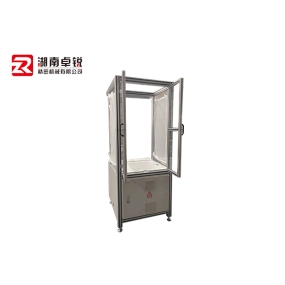
A medical equipment cabinet is a good example of how automated sheet metal processing works. First, stainless steel sheets are selected because they provide durability and resistance to cleaning chemicals. Next, automated laser cutting creates the required panels and openings. Robotic bending forms the panels into the correct shapes, and automated welding joins the structure.
After production, quality inspectors check surface condition, dimensions, and assembly accuracy. The finished cabinet can then be used in hospitals or laboratories where reliability and cleanliness are required.
Choosing a Reliable Automated Sheet Metal Processing Partner
Medical equipment manufacturers need suppliers with strong experience, advanced equipment, and strict quality systems. A professional partner can help with material selection, production planning, precision control, and final inspection.
EMAR provides automated sheet metal processing services for medical equipment applications, supporting customers with precision manufacturing, efficient production methods, and quality-focused solutions. With experience in metal fabrication, EMAR helps companies develop reliable sheet metal components that meet the needs of modern medical equipment.
Conclusion
The automated processing of sheet metal medical equipment combines advanced manufacturing technology with careful material and design choices. Stainless steel provides excellent durability and hygiene, while aluminum offers lightweight advantages. Automated laser cutting, robotic bending, and automated welding improve production accuracy and consistency.
By focusing on proper material selection, practical design, strict precision control, and complete quality inspection, manufacturers can create medical equipment parts that are safe, reliable, and long-lasting. Working with an experienced supplier such as EMAR can help businesses achieve efficient and high-quality sheet metal solutions for medical applications.