Basic Knowledge of Machinery Precision Parts Machining in Shenzhen
Machinery precision parts machining plays an important role in modern manufacturing. Many companies need parts with accurate sizes, reliable performance, and stable quality, but they often have questions about how these parts are made, which materials are suitable, and how manufacturers ensure quality.
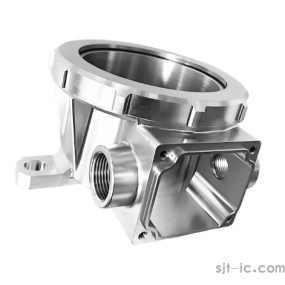
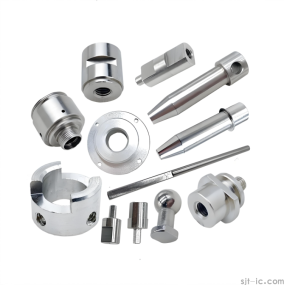
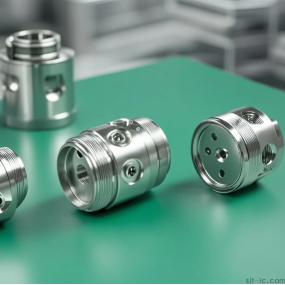
Basic Knowledge of Machinery Precision Parts Machining in Shenzhen helps customers understand the complete manufacturing process, from material selection and machining methods to inspection and industrial applications. Shenzhen has become an important manufacturing center because of its advanced equipment, experienced engineers, and strong supply chain. Many precision machining manufacturers in Shenzhen provide parts for industries such as automotive, aerospace, electronics, medical equipment, and automation.
Companies such as EMAR have practical experience in precision machining and understand the requirements of different industries. By combining machining technology, quality management, and engineering knowledge, manufacturers can provide reliable solutions for complex precision parts.
Why Shenzhen Is Important for Machinery Precision Parts Machining
Shenzhen is one of the leading manufacturing cities in China. It has developed a complete industrial system, including raw material suppliers, machining factories, surface treatment companies, and assembly services.
The advantages of Shenzhen precision machining include:
- Advanced manufacturing equipment: Many factories use CNC machines, EDM equipment, grinding machines, and automatic inspection tools.
- Experienced technical teams: Skilled engineers can solve problems related to design, machining accuracy, and production efficiency.
- Fast supply chain response: Local suppliers can shorten production cycles and improve communication between customers and manufacturers.
- Support for global industries: Shenzhen-made precision parts are widely used by companies around the world.
Understanding these advantages helps customers choose suitable machining partners and better control product quality and production costs.
Understanding the Main Machining Processes in Shenzhen
Different precision parts require different manufacturing methods. The choice of process depends on the part shape, material, tolerance requirements, and final application.
CNC Machining
CNC machining is one of the most common methods used in precision parts production. CNC machines use computer programs to control cutting tools, allowing manufacturers to produce parts with high accuracy and repeatability.
CNC Turning
CNC turning is mainly used for cylindrical parts. During this process, the workpiece rotates while a cutting tool removes material to create the required shape.
For example, shafts used in motors or engines often require CNC turning. The machine controls the diameter and length carefully. A high-speed industrial motor shaft may require a diameter tolerance of about ±0.05mm, which can be achieved through accurate CNC turning.
CNC turning is suitable for:
- Shafts
- Rotating components
- Bushings
- Connectors
CNC Milling
CNC milling is used to create flat surfaces, slots, holes, and complex shapes. The cutting tool moves along different axes according to programmed instructions.
A common example is a mold used for plastic injection. Complex cavities, fine patterns, and small structures can be created through CNC milling. A smartphone case mold may contain detailed designs and undercuts that require accurate multi-axis machining.
Drilling and Boring
Drilling creates holes in parts, while boring improves the accuracy of existing holes. These processes are important because the location and size of holes directly affect assembly performance.
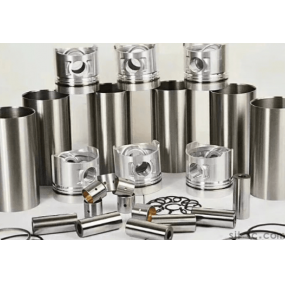
For example, engine blocks require precise cylinder bores. If the bore size is incorrect, the piston cannot move properly, which may reduce engine efficiency or cause damage.
Electrical Discharge Machining (EDM)
EDM is a machining method that uses electrical energy to remove material. It is especially useful for hard metals and complicated shapes that are difficult to process with traditional cutting tools.
Wire EDM
Wire EDM uses a thin electrically charged wire to cut materials. It is commonly used for parts requiring very high accuracy.
For example, aerospace components with complex internal cooling channels can be produced using wire EDM. The programmed wire path allows manufacturers to create precise shapes with smooth surfaces.
Die-Sinking EDM
Die-sinking EDM uses a shaped electrode to create cavities in a workpiece. It is often used for making stamping dies and injection molding tools.
For example, a metal stamping die with a complicated shape can be produced by using an electrode that matches the required cavity design.
Grinding
Grinding is usually used as a finishing process. It improves surface quality, flatness, and dimensional accuracy.
Surface grinding creates smooth and flat surfaces. It is often used for machine bases and precision components that require stable movement.
Cylindrical grinding improves the roundness and surface finish of cylindrical parts such as shafts. A shaft that has been roughly machined by turning can be ground further to achieve better performance inside bearings.
Materials for Shenzhen Precision Parts
Choosing the correct material is important because materials directly affect strength, weight, corrosion resistance, heat resistance, and machining difficulty.
Metal Materials
Steel
Steel is one of the most widely used materials in machinery precision parts machining. Different types of steel are selected according to application requirements.
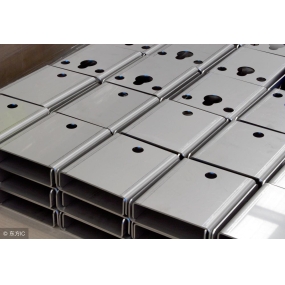
- Low-carbon steel: Suitable for parts requiring good formability, such as sheet metal components.
- High-strength steel: Used for structural parts in automotive and construction equipment.
- Stainless steel: Suitable for applications requiring corrosion resistance, such as food processing machines and medical equipment.
For example, stainless steel parts used in food processing equipment can resist rust and help maintain hygiene standards.
Aluminum
Aluminum is popular because it is lightweight, corrosion-resistant, and easy to machine. It is widely used in aerospace, automotive, and electronics industries.
Aircraft components often use aluminum alloys to reduce weight. In electronic products, aluminum is commonly used for housings and heat sinks because it has good thermal conductivity.
Copper
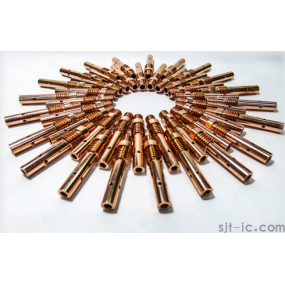
Copper has excellent electrical and thermal conductivity. It is commonly used for electrical connectors, wires, and heat transfer components.
For example, copper connectors in high-speed communication equipment help maintain stable electrical transmission.
Non-Metal Materials
Plastics
Plastics are used when lightweight, insulation, or corrosion resistance is needed. Engineering plastics such as nylon and polycarbonate can also provide good mechanical strength.
Examples include electronic housings, insulation parts, and small mechanical components.
Ceramics
Ceramics are selected for applications requiring high hardness, wear resistance, and heat resistance. Ceramic cutting inserts are widely used because they can maintain performance under high temperatures.
In aerospace applications, ceramic materials can also be used in heat-resistant components.
Quality Control in Shenzhen Machining
Quality control is a key part of precision machining. Even a small size difference can affect assembly performance, machine operation, and product safety.
In-Process Inspection
During machining, manufacturers check parts regularly to prevent problems before production is completed.
- Dimensional inspection: Tools such as calipers, micrometers, and coordinate measuring machines (CMMs) are used to check sizes and tolerances.
- Surface inspection: Surface roughness testers and microscopes help confirm that the surface quality meets requirements.
For example, when producing a precision shaft, workers may check the diameter at different stages. If the size begins to move outside the tolerance range, machine settings can be adjusted immediately.
Final Inspection and Testing
After machining is completed, every important dimension is checked according to customer drawings and technical requirements.
Functional testing may also be performed. A mechanical part may be tested for movement, rotation, or load capacity. Electronic components may be tested for electrical performance.
For example, a connector used in electronic equipment must pass connection tests to ensure reliable operation.
Applications of Machinery Precision Parts Machining
Precision machining supports many industries because modern equipment requires parts with high accuracy and stable performance.
Automotive Applications in Shenzhen
The automotive industry depends heavily on precision-machined parts. Engine components, transmission parts, and suspension systems all require accurate manufacturing.
- Engine components: Pistons, cylinders, and crankshafts need precise dimensions to ensure efficient combustion and smooth operation.
- Transmission parts: Gears require accurate tooth shapes to provide smooth power transmission.
- Suspension components: Precision machining improves vehicle stability and safety.
Aerospace Uses of Shenzhen Parts
The aerospace industry has extremely strict requirements for precision, strength, and reliability.
- Aircraft structural components
- Landing gear parts
- Turbine blades
- Avionics components
For example, aircraft landing gear parts must handle very high loads during takeoff and landing, so they require strong materials and accurate machining.
Electronics Industry Applications
Precision machining is also essential in electronics manufacturing.
- Semiconductor equipment: Components in wafer-handling robots and lithography equipment require extremely high accuracy.
- Consumer electronics: Smartphone frames, laptop parts, and smartwatch components require precise machining for appearance and performance.
For example, the metal frame of a smartphone must be lightweight, strong, and accurately processed to achieve a high-quality final product.
How to Choose a Reliable Precision Machining Partner in Shenzhen
When selecting a machining supplier, customers should consider more than equipment. Important factors include engineering ability, quality management, production experience, and communication efficiency.
- Check whether the manufacturer has suitable CNC and inspection equipment.
- Confirm experience with similar materials and industries.
- Review quality control procedures and inspection capabilities.
- Discuss production requirements clearly before starting mass production.
With a clear understanding of machining processes, materials, quality control, and applications, companies can make better decisions when sourcing precision parts in Shenzhen. EMAR continues to focus on precision manufacturing knowledge and technology development, helping customers understand machining requirements and supporting reliable solutions for different industrial fields.