
Briefly Understand the Definition of Shenzhen Precision Parts Processing
Shenzhen precision parts processing is an important part of modern manufacturing. Many people know that Shenzhen is a famous manufacturing city, but they may not clearly understand what precision parts processing means, what it includes, and why it is different from normal parts production.
To Briefly understand the definition of Shenzhen precision parts processing, we can describe it as a manufacturing process that creates parts with extremely high accuracy, strict size control, complex designs, and excellent surface quality. These parts are widely used in electronics, medical equipment, aerospace, automation, and other high-tech industries.
Introduction to Shenzhen Precision Parts Processing
Shenzhen is one of the most important manufacturing and technology centers in the world. With a strong supply chain, advanced equipment, skilled engineers, and many technology companies, Shenzhen has become a key location for precision manufacturing.
Precision parts processing in Shenzhen supports both local and international industries. From small electronic connectors to complex mechanical components, many products depend on Shenzhen manufacturers that can produce parts with high accuracy and reliable quality.
For companies looking for stable precision manufacturing partners, understanding the meaning of this process helps them choose the right supplier, control product quality, and reduce production risks.
What Is Shenzhen Precision Parts Processing?
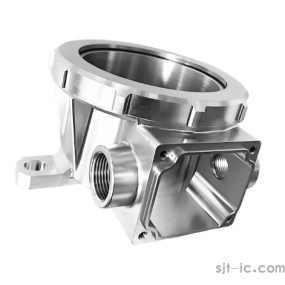
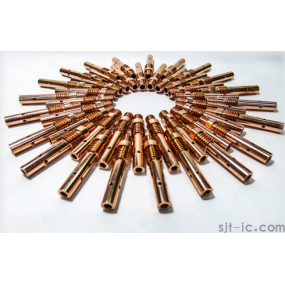
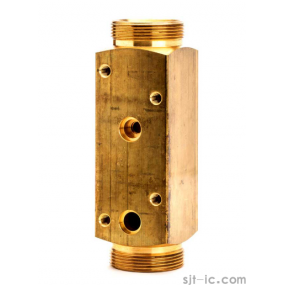
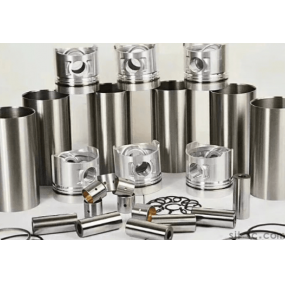
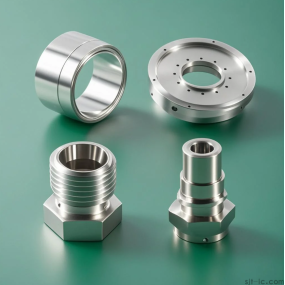
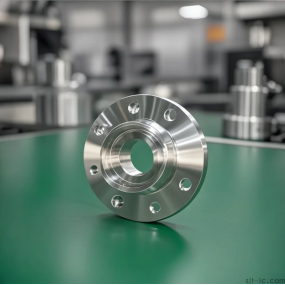
Shenzhen precision parts processing refers to the manufacturing of mechanical or electronic parts that require very strict accuracy. Unlike ordinary parts production, these parts must follow exact drawings and specifications, often with very small dimensional differences.
High Precision Manufacturing with Strict Tolerances
One important feature of high-precision in Shenzhen parts manufacturing is the ability to control extremely small size variations. A tolerance describes how much a part's actual size can differ from the designed size.
For example, in the production of micro-electronic components in Shenzhen, parts such as integrated circuit pins need very accurate dimensions. A pin may require a diameter tolerance of only ±0.01mm. This accuracy helps the pin connect correctly with a circuit board and ensures stable electronic performance.
In industries such as aerospace and medical equipment, even a small size error can affect product safety and performance. Therefore, precision processing requires strict measurement and quality control throughout production.
Complex Shapes and High-Quality Surface Finishes
Another key part of Shenzhen precision parts processing is the ability to manufacture parts with complicated designs and smooth surfaces. Complex geometries in Shenzhen manufacturing are common because modern products often require smaller, lighter, and more functional components.
For example, in Shenzhen's mold-making industry, a mold used for a high-end smartphone case may include curved surfaces, tiny grooves, and difficult internal structures. The mold surface must also be very smooth so the final plastic product has an attractive appearance.
A mold may require a surface roughness level of Ra 0.4-0.8μm to achieve a high-quality finish. This level of detail is difficult to achieve with ordinary processing methods.
Advanced Manufacturing Technology
Technology in Shenzhen precision processing is another important factor. Precision manufacturers usually use advanced equipment and digital manufacturing methods to achieve accurate results.
- CNC Machining: Computer Numerical Control machines use programmed instructions to cut and shape metal or plastic parts accurately.
- Laser cutting: Laser technology creates precise cuts for thin materials and complex designs.
- EDM (Electrical Discharge Machining): This process uses electrical sparks to create detailed shapes, especially for hard metals and molds.
- Precision inspection equipment: Measuring tools such as coordinate measuring machines (CMM) help confirm that parts meet design requirements.
Companies such as EMAR understand these requirements and focus on combining advanced equipment, engineering experience, and strict quality control to provide reliable Shenzhen precision parts processing solutions.
Difference Between Shenzhen Precision Parts Processing and General Parts Processing
Many customers confuse precision parts processing with normal manufacturing. The main difference is the level of accuracy, complexity, technology, and quality control required.
Different Tolerance Requirements
The biggest difference from general parts in Shenzhen processing is the tolerance standard.
General parts processing may allow larger size differences. For example, a simple metal structure part may have a tolerance of ±0.5mm. This level may be acceptable for basic applications.
However, precision parts processing requires much tighter control. A precision aerospace component produced in Shenzhen may require a tolerance of ±0.05mm or even smaller. This accuracy ensures that parts fit correctly and operate safely in high-performance systems.
Different Product Complexity and Surface Quality
General manufacturing usually produces simpler parts with fewer design requirements. A basic metal bracket may only need a simple shape and normal surface treatment.
Precision parts often have complicated structures and higher surface quality requirements. For example, a medical device component may need a special shape, smooth edges, and a high-quality surface finish to ensure proper operation and patient safety.
Different Technology and Worker Skills
Precision parts processing depends heavily on advanced equipment and professional knowledge. Operators need to understand CNC programming, material characteristics, machining methods, and inspection standards.
General parts production may use simpler machines or manual methods, while precision manufacturing requires a combination of technology, experience, and careful quality management.
Why Shenzhen Precision Parts Processing Is Important
Supporting High-Tech Industries
The significance of Shenzhen precision parts processing can be seen in many important industries.
- Electronics industry: Precision connectors and small components help smartphones, laptops, and other electronic products work reliably.
- Aerospace industry: High-accuracy parts such as turbine components improve aircraft safety and efficiency.
- Medical industry: Precision parts help produce medical instruments with better performance and reliability.
- Robotics industry: Accurate mechanical parts allow robots to move smoothly and complete complex tasks.
Without precision manufacturing, many modern products would be larger, less reliable, and more difficult to produce.
Driving Innovation and Global Competitiveness
Precision parts processing also helps Shenzhen companies develop new technologies and compete in global markets. When manufacturers can create smaller, more accurate, and more complex parts, they can support the development of advanced products.
For example, Shenzhen-made precision components used in robotics and automation equipment are valued by customers worldwide because of their accuracy and consistent quality.
EMAR has experience in Shenzhen precision parts processing and understands that successful manufacturing requires more than producing a part. It requires understanding customer drawings, selecting suitable materials, controlling processing accuracy, and ensuring every product meets quality expectations.
Conclusion
Shenzhen precision parts processing is a high-level manufacturing method focused on accuracy, complex designs, advanced technology, and strict quality control. It is different from general parts processing because it requires tighter tolerances, more complicated structures, and higher technical skills.
For companies that need reliable components, understanding the definition and importance of Shenzhen precision parts processing is the first step toward choosing the right manufacturing partner. With strong technology capabilities and quality-focused production methods, Shenzhen continues to play an important role in global precision manufacturing.