
CNC 5 - Axis Machining Quote: What Affects the Cost and How to Get a Fair Price
When you need a CNC 5 - Axis Machining Quote, the price you receive can be very different from one machining provider to another. Many businesses and engineers have questions before placing an order: Why is the quote so high? Are all costs included? How can I know if the price is reasonable?
Understanding the factors behind a CNC 5 - axis machining quote helps you make better decisions. A clear understanding allows you to compare suppliers fairly, avoid unexpected costs, and choose a machining partner that provides the right balance between quality, accuracy, and price.
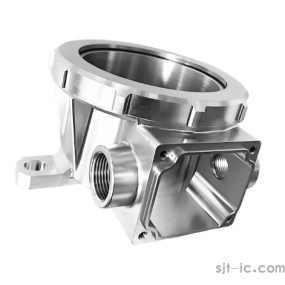
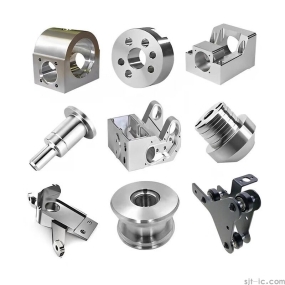
CNC 5 - axis machining is widely used for complex parts in industries such as aerospace, medical equipment, automotive, and mold manufacturing. Because a 5 - axis machine can move a cutting tool along five different directions, it can create complicated shapes with fewer setups. However, this advanced capability also means that many factors influence the final quote.
Part Complexity Is One of the Biggest Factors in a CNC 5 - Axis Machining Quote
Part complexity in 5 - axis quote is usually the first factor machining companies consider. The more complicated a part is, the more time and resources are needed to manufacture it.
Complex 3D geometries, deep cavities, multiple intersecting surfaces, and a large number of features such as holes, slots, and threads can significantly increase machining costs. These features require more advanced programming, more complicated tool paths, and additional machining operations.
For example, a simple 5 - axis machined bracket may only need basic programming and a few cutting operations. In contrast, a mold with deep pockets and complex curved surfaces or a turbine blade with precise aerodynamic shapes requires much more planning, simulation, and machining time.
The programming process is also an important cost factor. Engineers must create and test tool paths to make sure the cutting tool reaches every area safely while maintaining accuracy. Complex parts often require more programming hours, which increases the total quote.
Material Type Has a Direct Impact on the Machining Cost
Material impact on 5 - axis machining quote is another important consideration. Different materials have different machining characteristics, which affect cutting speed, tool life, and production time.
Soft materials such as aluminum are generally easier to machine. They allow faster cutting speeds and usually require less expensive tooling. As a result, aluminum parts often have lower machining costs compared with harder materials.
High - strength alloys such as titanium and Inconel are much more difficult to process. These materials generate more heat during cutting, require special cutting tools, and need slower machining speeds. This increases machine time and tool replacement costs.
For example, a 5 - axis part made from aluminum may require fewer hours of machining and standard tools. The same part made from titanium may cost several times more because of slower cutting speeds, advanced tooling requirements, and additional quality checks.
When requesting a CNC 5 - Axis Machining Quote, providing the exact material grade is important. A quote based only on a general material description may not accurately reflect the real manufacturing cost.
Production Volume Changes the Cost Per Part
Production volume and 5 - axis quote are closely connected. The number of parts you need can greatly affect the final unit price.
For small - batch production, the setup cost per part is usually higher. Programming, machine setup, fixture preparation, and tooling costs must be spread across fewer parts. For example, producing five complex parts means each part carries a larger share of the preparation cost.
For larger production runs, these initial costs are divided across many parts. Once the machine is properly set up, the cost per unit decreases because the same programming and fixture setup can be reused.
- Prototype or small batch: Higher cost per part due to setup and programming expenses.
- Medium production: Better cost efficiency as preparation costs are shared.
- Large production: Lower unit cost because processes are optimized for repeated manufacturing.
When requesting a quote, always provide the expected production quantity. A machining supplier can then recommend the most cost - effective manufacturing approach.
Tolerance Requirements Affect Machining Time and Quality Control
Tolerance effect on 5 - axis quote is another major factor that affects pricing. Tighter tolerances require more careful machining and inspection procedures.
When a part requires extremely high accuracy, the machine may need slower cutting speeds to maintain precision. Operators may also need to perform more frequent tool calibration and in - process measurements.
Industries such as medical equipment and optical manufacturing often require very tight tolerances. For example, a medical implant component or an optical device part may need accuracy within very small measurement ranges. These requirements increase machining time and inspection costs.
Not every part needs the highest possible tolerance. Choosing the correct tolerance based on the actual application can help control costs without reducing product performance.
Machine - Related Costs Influence the Final Quote
Machine - related costs in 5 - axis quote include the type of CNC machine used, machine operating rates, and the location of the machining facility.
High - end 5 - axis machines with advanced control systems, automatic tool changers, high precision capabilities, and better stability usually have higher hourly operating costs. These machines are necessary for demanding applications that require excellent accuracy and complex machining performance.
The location of the machining facility can also influence pricing. Labor costs, energy costs, equipment investment, and operating expenses vary between regions. A supplier with advanced equipment and skilled technicians may have a higher hourly rate but can provide better quality control and fewer production risks.
A professional quote should clearly explain how machine time is calculated. This helps customers understand whether the price reflects the actual manufacturing requirements.
Tooling and Fixture Costs Should Be Included in the Quote
Tooling and fixture costs are often overlooked when customers review a CNC 5 - axis machining quote. However, they can represent a significant part of the total cost, especially for custom parts.
Special cutting tools may be required for difficult materials or complex geometries. Custom fixtures may also be needed to hold the part securely while allowing the machine to reach multiple surfaces.
A detailed quote should show whether these costs are included or charged separately. Clear information prevents misunderstandings during production.
How to Get a Fair CNC 5 - Axis Machining Quote
Getting a reliable quote requires more than simply asking for a price. The following steps can help you receive accurate and comparable offers.
Provide complete part information. Share 3D CAD files, drawings, material requirements, tolerances, surface finish needs, and production quantities. More details help suppliers calculate the real machining requirements.
Ask for a detailed cost breakdown. A professional quote should explain costs related to programming, machining time, materials, tooling, fixtures, inspection, and finishing processes.
Compare multiple suppliers. Do not choose only based on the lowest price. Compare machining capability, experience, quality control methods, delivery time, and customer support.
Check the quality - cost balance. A lower quote may reduce cost by using slower equipment, less inspection, or limited experience. The best supplier provides reliable quality at a reasonable price.
Choosing the Right Partner for Your CNC 5 - Axis Machining Quote
A good CNC Machining supplier does more than provide a price. They help you understand manufacturing challenges and suggest ways to improve cost efficiency while maintaining quality.
EMAR provides professional CNC machining services with experience in complex precision parts. By considering part design, material selection, production requirements, and quality standards, EMAR can provide accurate and competitive CNC 5 - axis machining quotes to help customers plan their projects with confidence.
Whether you need prototypes, small batches, or larger production runs, working with an experienced machining partner can help reduce risks, control costs, and achieve reliable results.
Conclusion
A CNC 5 - Axis Machining Quote depends on many factors, including part complexity, material type, production volume, tolerance requirements, machine costs, and tooling needs. Understanding these factors helps businesses and individuals evaluate quotes more effectively.
By providing complete project information, requesting transparent cost details, and comparing suppliers based on both quality and price, you can find a machining solution that meets your technical requirements and budget.