CNC Turning and Milling Composite Processing: A Complete Guide for Modern Manufacturing
CNC turning and milling composite processing is an advanced machining method that combines turning and milling operations in one machine. Instead of moving a part between different machines, manufacturers can complete multiple machining steps on a single CNC system. This method helps improve production efficiency, reduce handling time, and achieve higher accuracy for complex parts.
For companies that need high-quality metal components with complex shapes, understanding this processing method can help them choose the right manufacturing solution. Professional machining suppliers, such as EMAR, provide CNC turning and milling composite processing services to support industries that require precision parts, stable quality, and efficient production.
What Is CNC Turning and Milling Composite Processing?
CNC turning and milling composite processing combines two common CNC Machining methods: turning and milling.
- CNC turning: The workpiece rotates while cutting tools remove material to create round shapes, such as shafts, cylinders, and rings.
- CNC milling: Cutting tools rotate and move in different directions to create flat surfaces, holes, slots, and complex structures.
In traditional manufacturing, a part may need to be transferred between a lathe and a milling machine several times. With composite processing, one machine can perform both operations. This reduces setup changes and helps maintain consistent accuracy throughout the production process.
A typical example is a motor shaft with keyways, holes, and special surface features. A CNC turning and milling composite machine can complete the cylindrical turning process and then mill the additional features without removing the part.
Advantages of CNC Turning and Milling Composite Processing
The advantages of CNC turning and milling composite processing make it popular in industries such as aerospace, automotive, medical equipment, electronics, and automation equipment.
1. Reduced Production Time
Because multiple machining operations are completed on one machine, manufacturers can reduce part transfer time and machine setup time. This is especially useful for small-batch and customized production where frequent adjustments are needed.
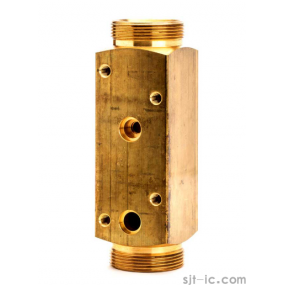
For example, a complex metal connector that previously required turning, drilling, and milling on separate machines may now be completed in one production cycle. This helps shorten delivery times and improve manufacturing efficiency.
2. Improved Precision and Consistency
The precision achieved through CNC turning and milling composite processing is one of its biggest benefits. Since the part stays in the same fixture during multiple operations, the risk of positioning errors is reduced.
This is important for components that require accurate dimensions, smooth surfaces, and close matching between different features. High-precision machining suppliers use advanced CNC equipment, inspection tools, and quality control systems to maintain stable results.
3. Lower Production Costs
Although composite CNC machines require higher initial investment, they can reduce total manufacturing costs through fewer setups, less labor involvement, and shorter production cycles.
4. Better Capability for Complex Parts
CNC turning and milling composite processing allows manufacturers to produce parts with both rotating and non-rotating features. This makes it suitable for designs that are difficult to complete with traditional machines.
Parts Suitable for CNC Turning and Milling Composite Processing
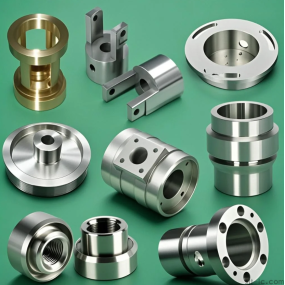
The parts suitable for CNC turning and milling composite processing usually have complex structures that require multiple machining methods.
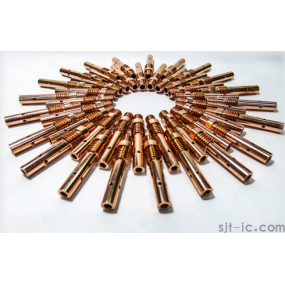
- Shaft components: Used in motors, automation equipment, and mechanical systems. They often require turning for round surfaces and milling for grooves or holes.
- Medical device parts: Small and precise components often need excellent dimensional control and surface quality.
- Aerospace components: Lightweight but complex parts benefit from accurate multi-operation machining.
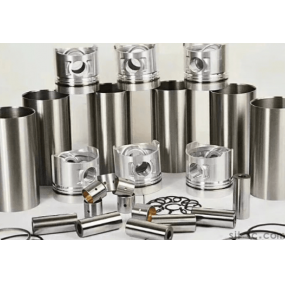
- Automotive parts: Engine components, transmission parts, and custom brackets often require combined machining processes.
- Industrial equipment components: Parts with multiple surfaces, holes, and special shapes can be efficiently produced using composite machining.
When designing a part, engineers should consider machining accessibility, material selection, required accuracy, and production quantity. A professional machining partner can help optimize the design before production begins.
Equipment Used in CNC Turning and Milling Composite Processing
The equipment used in CNC turning and milling composite processing plays an important role in machining quality and efficiency.
- CNC turning and milling composite machines: These machines combine turning and milling functions and can complete several operations automatically.
- Multi-axis CNC systems: More movement directions allow machines to process complex shapes with fewer setups.
- Automatic tool changers: These systems allow different cutting tools to be selected quickly during production.
- Precision inspection equipment: Measuring machines and inspection tools help confirm that finished parts meet design requirements.
Reliable manufacturers invest in modern CNC equipment and skilled operators to ensure stable production quality. EMAR uses professional CNC machining capabilities to provide customized turning and milling composite processing solutions for different customer requirements.
Challenges in CNC Turning and Milling Composite Processing
Although this technology provides many benefits, there are also some challenges in CNC turning and milling composite processing that manufacturers need to consider.
1. Higher Equipment Requirements
Composite CNC machines are more complex than standard machines. Operators need proper training and experience to set cutting parameters, choose tools, and manage different machining operations.
2. Programming Complexity
Because turning and milling operations are combined, CNC programming requires careful planning. Poor programming may lead to longer machining time or reduced part quality.
3. Tool Selection and Wear
Different materials require different cutting tools and machining conditions. Tool wear must be monitored carefully to maintain consistent accuracy.
4. Initial Investment
The cost of composite CNC equipment can be higher compared with traditional machines. However, for businesses producing complex parts or medium-to-high value components, the improved efficiency can provide long-term benefits.
How to Choose a Reliable CNC Turning and Milling Composite Processing Supplier
Choosing the right machining supplier is important for achieving good results. Customers should consider the following factors:
- Manufacturing experience: Select a supplier with experience producing similar parts and materials.
- Equipment capability: Check whether the supplier has suitable CNC turning and milling composite machines for your project.
- Quality control: A reliable supplier should have inspection processes to verify dimensions and surface quality.
- Customization ability: The supplier should be able to support prototype development, small batches, and large-scale production.
- Communication and service: Good technical communication helps avoid design problems and production delays.
Companies like EMAR focus on customized CNC machining services, helping customers transform designs into reliable precision components. Their experience with CNC turning and milling composite processing allows them to support projects that require accuracy, efficiency, and flexible manufacturing solutions.
Practical Tips for Successful CNC Turning and Milling Composite Processing
- Provide clear technical drawings and material requirements before production.
- Discuss machining methods with engineers during the design stage.
- Choose materials that match the part's working environment.
- Consider production volume when selecting the machining method.
- Work with experienced manufacturers to improve efficiency and reduce production risks.
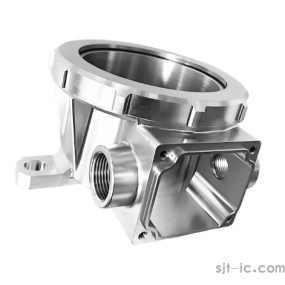
For example, if a company needs a custom aluminum housing with curved surfaces, mounting holes, and internal structures, CNC turning and milling composite processing can reduce the number of manufacturing steps and improve overall quality compared with using separate machines.
Conclusion
CNC turning and milling composite processing is an effective solution for producing complex precision parts with better efficiency and accuracy. By combining turning and milling operations, manufacturers can reduce production time, improve consistency, and handle more advanced designs.
Understanding the advantages, suitable applications, equipment requirements, and possible challenges helps businesses make better manufacturing decisions. With experienced suppliers such as EMAR, customers can access professional CNC turning and milling composite processing services designed to meet modern industrial needs.