
CNC Lathe Machining of Taper Pipe Threads: Key Points for Accurate and Reliable Results
CNC lathe machining of taper pipe threads is widely used in industries that require strong sealing and reliable connections, such as oil and gas equipment, hydraulic systems, industrial piping, and mechanical assemblies. However, producing high-quality taper pipe threads is not always easy. Problems such as incorrect thread angles, poor sealing performance, rough surfaces, and dimensional errors can lead to leakage, assembly failures, and increased production costs.
Choosing the right machining process, tools, and quality control methods is important for manufacturers that need stable thread performance. This article explains the key techniques, common challenges, and practical solutions involved in CNC lathe machining of taper pipe threads.
What Is CNC Lathe Machining of Taper Pipe Threads?
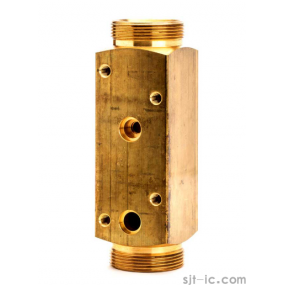
Taper pipe threads are threads with a gradual change in diameter along the length of the thread. Unlike straight threads, taper pipe threads create a tight mechanical seal as the male and female threads are tightened together. Because of this design, they require high machining accuracy.
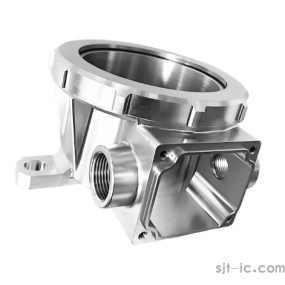
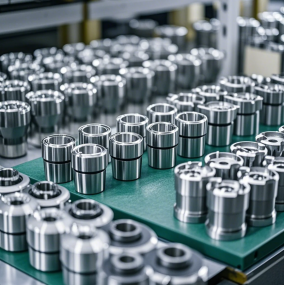
CNC lathe machining of taper pipe threads uses computer-controlled turning equipment to cut precise thread profiles on pipe fittings, connectors, and other components. The CNC system controls cutting speed, feed rate, tool movement, and thread depth to achieve consistent results.
This machining method is especially suitable for producing large quantities of parts because it improves repeatability and reduces human errors compared with manual machining.
Key Techniques in CNC Lathe Machining of Taper Pipe Threads
Successful taper pipe thread machining depends on several important techniques. Manufacturers need to control every step, from programming to final inspection.
- Accurate CNC programming: The CNC program must correctly define thread standards, taper angles, pitch, depth, and cutting paths. Incorrect parameters can cause thread mismatch and sealing problems.
- Proper tool selection: Cutting tools must match the material and thread type. Sharp and durable tools help maintain thread accuracy and improve surface quality.
- Multiple-pass thread cutting: Instead of removing too much material in one cut, professional machining usually uses several passes to reduce cutting pressure and improve thread consistency.
- Stable workpiece positioning: Proper clamping prevents vibration and movement during machining, which helps maintain thread precision.
For complex parts or strict tolerance requirements, working with an experienced CNC Machining supplier can reduce development risks and improve production efficiency.
Tools for CNC Lathe Machining of Taper Pipe Threads
The selection of tools has a direct impact on the quality of taper pipe threads. Using unsuitable tools may result in damaged thread surfaces, short tool life, or inaccurate dimensions.
Common tools used in taper pipe thread machining include:
- Carbide thread cutting inserts: These provide high wear resistance and are suitable for high-volume production.
- Thread turning holders: They provide stable support for accurate cutting operations.
- Measuring tools: Thread gauges, micrometers, and other inspection equipment help verify thread size and accuracy.
- Coolant systems: Proper cooling reduces heat buildup and extends tool life.
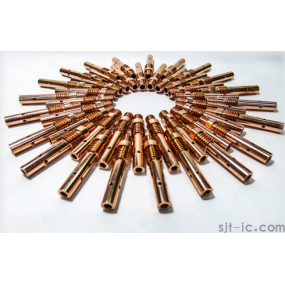
Professional CNC machining companies usually combine advanced equipment with experienced operators to select the best tools for different materials, including stainless steel, carbon steel, aluminum, and copper alloys.
Precision Control in CNC Lathe Machining of Taper Pipe Threads
Precision control is one of the most important factors in taper pipe thread production. Even a small deviation in thread dimensions can affect connection strength and sealing performance.
Important precision control methods include:
- Checking raw material dimensions before machining.
- Calibrating CNC machines regularly to maintain accuracy.
- Using proper cutting parameters based on material properties.
- Inspecting finished threads with professional measuring equipment.
- Recording inspection data to maintain consistent quality during mass production.
Companies that require reliable thread components should consider suppliers with strong quality management systems. EMAR provides CNC machining services with advanced processing equipment and strict inspection procedures to help customers achieve accurate and stable taper pipe thread components.
Common Problems and Solutions in CNC Lathe Machining of Taper Pipe Threads
During production, manufacturers may face several machining challenges. Understanding these problems helps prevent unnecessary delays and costs.
1. Incorrect Thread Size
Possible causes: Incorrect CNC programming, worn cutting tools, or inaccurate machine settings.
Solutions: Check machining parameters, replace worn tools, and verify dimensions during production.
2. Poor Thread Surface Quality
Possible causes: Excessive cutting speed, improper lubrication, or unstable machining conditions.
Solutions: Adjust cutting conditions, improve cooling methods, and use suitable cutting inserts.
3. Thread Leakage After Assembly
Possible causes: Incorrect taper angle, damaged thread profile, or insufficient machining accuracy.
Solutions: Improve precision control, use accurate inspection tools, and follow the correct thread standard.
4. Short Tool Life
Possible causes: Incorrect tool material, excessive cutting load, or unsuitable machining parameters.
Solutions: Select proper tools and optimize cutting conditions according to the workpiece material.
Advantages of Using CNC Lathes for Taper Pipe Thread Machining
Compared with traditional machining methods, CNC lathes provide several advantages for taper pipe thread production.
- Higher accuracy: CNC systems provide consistent control over thread dimensions and geometry.
- Better production efficiency: Automated machining reduces processing time and improves output.
- Stable quality: CNC machines can repeat the same machining process with minimal variation.
- Flexible production: CNC programs can be adjusted for different thread sizes and part designs.
- Lower long-term costs: Reduced errors and improved efficiency help control production expenses.
How to Choose a Reliable CNC Machining Partner
Finding the right supplier is an important step for companies that need high-quality taper pipe thread parts. A reliable manufacturer should have:
- Experience with CNC lathe machining of taper pipe threads.
- Modern CNC equipment and skilled operators.
- Strict quality inspection processes.
- The ability to handle different materials and production volumes.
- Clear communication and technical support.
EMAR focuses on precision CNC processing and provides customized machining solutions for customers who need accurate metal components. With professional manufacturing experience, advanced CNC equipment, and attention to quality control, EMAR helps customers produce reliable parts for demanding industrial applications.
Conclusion
CNC lathe machining of taper pipe threads requires careful control of programming, tooling, machining parameters, and inspection processes. By using the right techniques and working with an experienced CNC machining supplier, manufacturers can reduce defects, improve sealing performance, and achieve stable production results.
For businesses looking for dependable taper pipe thread machining solutions, choosing a professional partner with strong technical capabilities and quality management experience can make a significant difference in product performance and production efficiency.