Stamped Metal Nameplate Processing: A Complete Guide to Better Quality and Lower Costs
Stamped metal nameplates are widely used in industrial equipment, electrical products, vehicles, machinery, and consumer goods. They provide product information, brand identity, safety warnings, and long-lasting labels. However, many companies face problems during production, such as unclear text, poor surface quality, incorrect dimensions, high tooling costs, and unstable delivery times.
Understanding the key points of stamped metal nameplate processing can help manufacturers choose the right production method, avoid quality problems, and control costs. This guide explains the process, material selection, quality control methods, and practical ways to improve production efficiency.
What Is Stamped Metal Nameplate Processing?
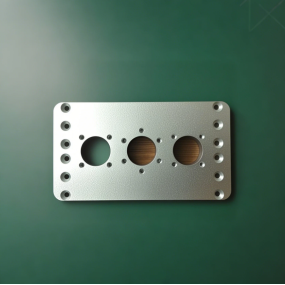
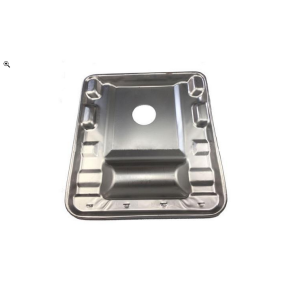
Stamped metal nameplate processing is a manufacturing method that uses stamping machines and custom molds to form metal sheets into specific shapes. Additional processes, such as engraving, printing, coating, polishing, and CNC Machining, are often combined to create durable and attractive nameplates.
Compared with simple stickers or plastic labels, stamped metal nameplates offer better strength, temperature resistance, and service life. They are suitable for products that need to work in harsh environments, including outdoor equipment, industrial machines, and electronic devices.
Common Challenges in Stamped Metal Nameplate Processing
Before starting production, many customers worry about several practical issues. Solving these problems early can reduce waste and improve the final product quality.
- Unclear product information: Small letters, logos, or serial numbers may become difficult to read if the stamping process is not properly controlled.
- Surface damage: Scratches, uneven coatings, or oxidation can affect the appearance and durability of the nameplate.
- Size and shape errors: Incorrect dimensions may cause installation problems during final assembly.
- High production costs: Poor process planning can increase mold costs, material waste, and labor expenses.
- Unstable quality: Without strict inspection procedures, different production batches may have noticeable differences.
Steps in Stamped Metal Nameplate Processing
A professional production process helps ensure stable quality and efficient manufacturing. The main steps in stamped metal nameplate processing usually include the following:
- Design and engineering review: The manufacturer checks the drawing, dimensions, material requirements, and production method before making tools.
- Material preparation: Suitable metal sheets are selected and cut according to the product design.
- Mold manufacturing: Custom stamping dies are created to form the required nameplate shape and details.
- Metal stamping: The stamping machine applies pressure to shape the metal sheet with high accuracy.
- Surface treatment: Processes such as anodizing, painting, plating, brushing, or polishing improve appearance and corrosion resistance.
- Printing and marking: Logos, numbers, warning signs, and product information are added using suitable methods.
- Final inspection and packaging: Finished nameplates are checked for size, appearance, adhesion, and durability before shipment.
Materials Used in Stamped Metal Nameplate Processing
Choosing the right material directly affects the performance and cost of a nameplate. The common materials used in stamped metal nameplate processing include:
- Aluminum: Lightweight, corrosion-resistant, and easy to process. It is one of the most popular choices for industrial nameplates.
- Stainless steel: Provides excellent strength and resistance to heat, moisture, and chemicals.
- Copper: Offers good electrical conductivity and an attractive appearance for special applications.
- Brass: Known for its decorative look and durability in premium products.
- Steel: A cost-effective option for applications where high strength is required.
The best material depends on factors such as working environment, required lifespan, appearance, and budget. A professional manufacturer can help select the most suitable option instead of simply choosing the cheapest material.
Quality Control in Stamped Metal Nameplate Processing
Reliable quality control is essential because nameplates are often used to represent a company's brand and product information. Effective quality control in stamped metal nameplate processing includes several inspection steps:
- Dimensional inspection: Measuring thickness, length, width, and mounting hole positions to ensure accurate installation.
- Appearance inspection: Checking for scratches, dents, uneven colors, and surface defects.
- Text and logo verification: Confirming that printed or stamped information is clear and correct.
- Durability testing: Testing coating adhesion, corrosion resistance, and wear resistance when required.
- Batch inspection: Comparing production samples to ensure consistent quality between different orders.
Advantages of Stamped Metal Nameplates Over Other Types
Many industries choose metal nameplates because they provide better performance than paper labels, plastic tags, or ordinary stickers. The main advantages of stamped metal nameplates over other types include:
- Long service life: Metal nameplates can maintain their appearance and information for many years.
- Better environmental resistance: They can handle heat, moisture, chemicals, and outdoor conditions.
- Professional appearance: Metal surfaces create a high-quality and reliable product image.
- Flexible customization: Different shapes, finishes, colors, and markings can be produced according to customer needs.
- Stable performance: Once the stamping process is optimized, large-volume production can maintain consistent quality.
Cost-Effective Ways for Stamped Metal Nameplate Processing
Reducing cost does not always mean choosing cheaper materials or lower-quality production. The best approach is improving efficiency while maintaining product performance. Some cost-effective ways for stamped metal nameplate processing include:
- Optimize the design: A simple and practical design can reduce mold complexity and material waste.
- Select the correct material: Using the right metal grade avoids unnecessary costs caused by over-specification.
- Combine multiple processes: Working with a supplier that provides stamping, CNC machining, and surface finishing can reduce communication and transportation costs.
- Plan production quantities: Larger production runs usually reduce the average cost per piece.
- Choose an experienced manufacturer: Skilled suppliers can prevent defects and reduce costly rework.
How EMAR Helps Improve Metal Nameplate Manufacturing
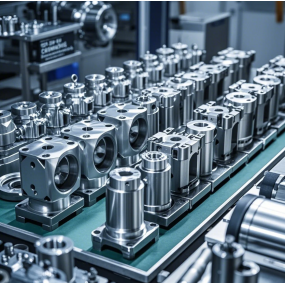
Choosing a capable processing partner is important for companies that require reliable metal nameplates. EMAR provides professional CNC processing capabilities and manufacturing support to help customers achieve accurate, consistent, and efficient production.
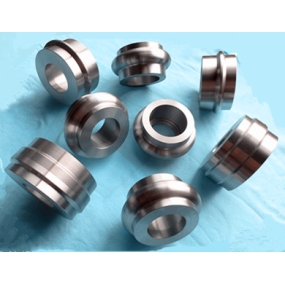
With experience in precision machining, EMAR can support projects that require complex structures, tight tolerances, and customized metal components. CNC processing can be combined with stamping and finishing technologies to improve product accuracy and meet different application requirements.
From prototype development to mass production, EMAR focuses on process control, manufacturing efficiency, and customer requirements. This approach helps customers reduce production risks and receive metal products with stable quality.
How to Choose the Right Stamped Metal Nameplate Manufacturer
A reliable supplier should provide more than basic stamping services. Before selecting a manufacturer, consider the following points:
- Manufacturing experience: Check whether the supplier understands different industries and application requirements.
- Production capability: Confirm whether the company has suitable stamping equipment, CNC machining ability, and finishing options.
- Quality management: Ask about inspection methods and quality control procedures.
- Customization support: Ensure the supplier can handle special designs, materials, and surface treatments.
- Communication and delivery: A responsive supplier can help solve problems quickly during development and production.
Conclusion
Successful stamped metal nameplate processing depends on careful design, proper material selection, accurate stamping, strict quality control, and efficient manufacturing management. By understanding the complete process and working with an experienced supplier, companies can achieve durable nameplates with better performance and controlled costs.
Whether you need standard metal nameplates or customized components requiring additional CNC processing, choosing the right manufacturing partner can make a significant difference in product quality and production efficiency.