CNC Machined Mechanical Parts Processing: Steps, Materials, Quality Control, and Cost Considerations
CNC Machined Mechanical Parts Processing is an important manufacturing method used to produce accurate and reliable mechanical components for industries such as automotive, aerospace, medical equipment, automation, and industrial machinery. Many companies choose CNC Machining because it can create complex parts with high precision while maintaining stable production quality.
However, customers often have questions before starting a CNC machining project: What are the processing steps? Which materials are suitable? How can quality be controlled? How can costs be reduced without affecting performance? Understanding these key points helps businesses make better decisions and avoid common manufacturing problems.
What Is CNC Machined Mechanical Parts Processing?
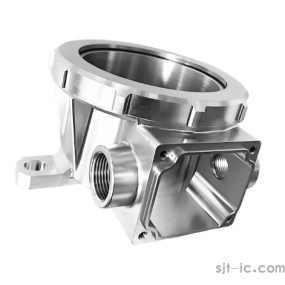
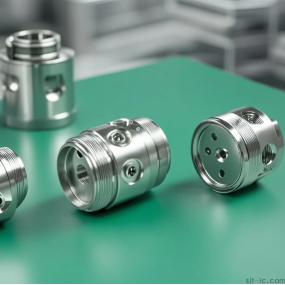
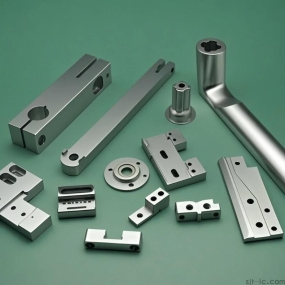
CNC Machined Mechanical Parts Processing refers to the use of computer-controlled machines to cut, shape, drill, mill, or finish raw materials into designed mechanical parts. Unlike traditional manual machining, CNC equipment follows programmed instructions, allowing manufacturers to achieve consistent dimensions and complex designs.
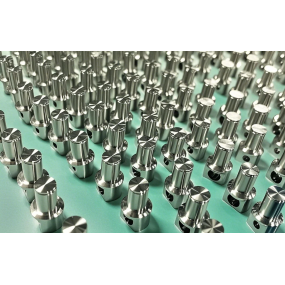
This process is suitable for both prototypes and large-volume production. It helps manufacturers create parts with tight tolerances, smooth surfaces, and repeatable performance. From small precision components to large industrial parts, CNC machining provides flexible solutions for different application needs.
Steps in CNC-Machined Mechanical Parts Processing
Understanding the steps in CNC-machined mechanical parts processing helps customers know how their designs become finished products. A typical CNC machining process includes the following stages:
Design and Drawing Review: Engineers first review 2D drawings or 3D CAD models. They check dimensions, tolerances, material requirements, and production difficulties before machining begins.
Material Selection: The correct raw material is selected according to the part’s working environment, strength requirements, temperature resistance, and budget.
CNC Programming: Machinists create CNC programs that guide the machine tools. The program controls cutting paths, speeds, and machining sequences.
Machining Operation: CNC machines perform operations such as milling, turning, drilling, and grinding. Modern equipment can produce complex shapes with high accuracy.
Surface Treatment and Finishing: Depending on the application, parts may receive additional treatments such as polishing, anodizing, coating, or heat treatment to improve durability.
Inspection and Delivery: Finished parts are measured and tested before shipment to ensure they meet customer specifications.
Choosing Suitable Materials for CNC-Machined Mechanical Parts
Selecting the right material is one of the most important decisions in CNC machining. The suitable materials for CNC-machined mechanical parts depend on the part’s function, operating conditions, and required performance.
Aluminum: Aluminum is lightweight, corrosion-resistant, and easy to machine. It is commonly used for automotive parts, housings, and precision components.
Stainless Steel: Stainless steel offers excellent strength and corrosion resistance. It is suitable for parts used in harsh environments, medical equipment, and industrial machinery.
Carbon Steel: Carbon steel provides good strength and affordability, making it a practical choice for many mechanical applications.
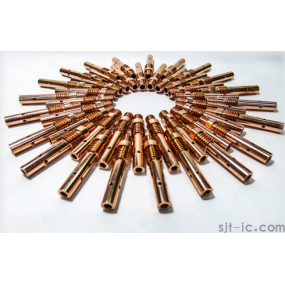
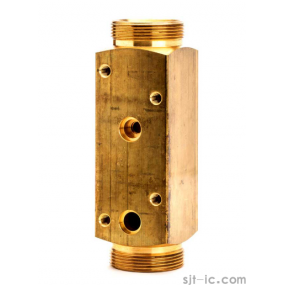
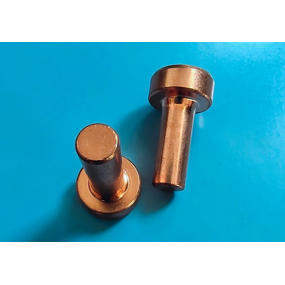
Copper and Brass: These materials have good electrical and thermal conductivity, making them suitable for electrical components and special mechanical parts.
Engineering Plastics: Materials such as nylon, PEEK, and other plastics are useful when lightweight, chemical resistance, or insulation properties are needed.
The wrong material choice can increase machining difficulty, production costs, or part failure risks. Professional CNC manufacturers can help customers select materials that balance performance and budget.
Quality Assurance in CNC Machined Mechanical Parts Processing
Reliable quality control is essential because mechanical parts often affect the safety and performance of complete systems. Quality assurance in CNC-machined mechanical parts processing involves multiple inspection steps throughout production.
Raw Material Inspection: Materials are checked before machining to confirm they meet required standards.
Process Monitoring: Machining conditions are controlled to maintain stable production and reduce errors.
Dimensional Inspection: Precision measuring tools such as coordinate measuring machines (CMM), calipers, and micrometers are used to verify part dimensions.
Surface Quality Testing: Surface finish and appearance are inspected to ensure the parts meet application requirements.
Final Inspection: Completed parts are checked before delivery to confirm they match drawings and customer expectations.
A strong quality control system reduces defects, avoids production delays, and improves long-term product reliability.
How to Control Cost in CNC Machined Mechanical Parts Processing
Many customers are concerned about machining costs, especially for custom parts. Understanding the cost-factors in CNC-machined mechanical parts processing can help businesses plan their projects more effectively.
Material Cost: Different metals and plastics have different prices. Choosing a suitable material instead of an unnecessarily expensive option can reduce expenses.
Part Complexity: Complex designs usually require more machining time, special tools, and additional operations.
Production Quantity: Larger production volumes often reduce the average cost per part because setup costs are shared across more units.
Tolerance Requirements: Extremely tight tolerances require advanced equipment and more inspection time, which can increase costs.
Design Optimization: Improving part design for CNC machining can shorten production time and reduce waste.
Working with an experienced CNC machining supplier early in the design stage can help identify cost-saving opportunities while maintaining part quality.
Why Choose an Experienced CNC Machining Partner?
CNC machining success depends not only on equipment but also on engineering experience, production management, and quality control ability. A professional manufacturer can support customers from design review to final production.
EMAR's proficiency in CNC-machined mechanical parts processing comes from its experience in precision manufacturing, advanced CNC equipment, and strict quality management practices. EMAR provides customized machining solutions for different industries, helping customers produce reliable mechanical parts with efficient production methods.
By combining engineering support, material knowledge, precision machining skills, and inspection processes, EMAR helps customers reduce manufacturing risks and achieve stable results for both prototype projects and mass production.
Conclusion
CNC Machined Mechanical Parts Processing provides an effective solution for producing accurate, durable, and customized mechanical components. By understanding the machining steps, selecting suitable materials, applying strict quality assurance methods, and controlling important cost factors, businesses can improve product performance and reduce unnecessary expenses.
Choosing an experienced CNC machining partner ensures that every stage, from design to delivery, is handled professionally. With strong manufacturing capabilities and customer-focused service, companies like EMAR can help turn complex mechanical designs into high-quality finished parts.