CNC Machining Automotive Parts | Precision Manufacturing for Modern Vehicles
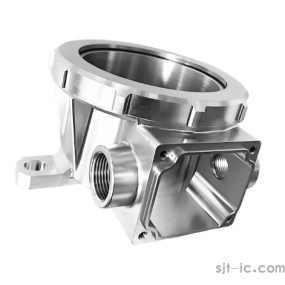
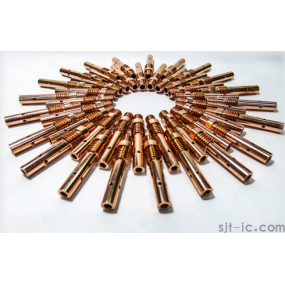
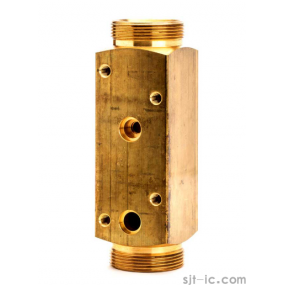
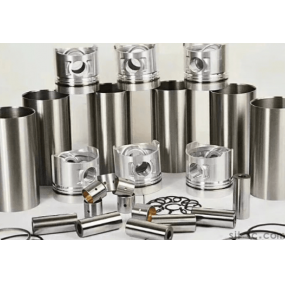
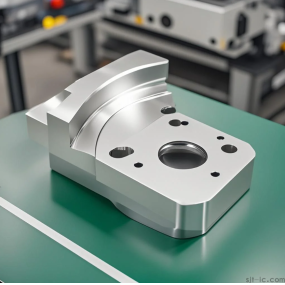
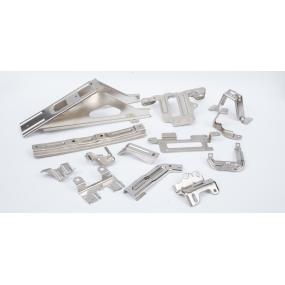
In today’s automotive industry, accuracy is not optional. Every small part in a car must fit, function, and perform perfectly. This is where CNC Machining Automotive Parts | Precision Manufacturing plays a key role. It helps manufacturers produce strong, precise, and consistent parts for engines, transmissions, braking systems, and more.
For many buyers and engineers, the biggest concern is not only making parts, but making them right every single time. Small errors can lead to performance problems, safety risks, or expensive recalls. CNC technology helps solve these problems with high repeatability and tight control.
Why Precision Matters in Automotive CNC Machining
Modern vehicles are built with strict safety and performance standards. Even a tiny deviation in size can affect how a system works. That is why precision requirements in CNC machining automotive parts are extremely strict in automotive production.
For example, engine components must fit together without gaps or friction issues. Brake system parts must respond quickly and reliably. Transmission parts must align perfectly to avoid vibration and wear.
CNC machining ensures every cut, drill, and shape follows digital instructions with very high accuracy. This reduces human error and improves product consistency.
Advantages of CNC Machining in Automotive Part Production
There are many reasons why manufacturers prefer CNC technology for vehicle components. The advantages of CNC machining for automotive part precision include better accuracy, faster production, and improved repeatability.
- High accuracy: CNC machines can produce parts with very tight tolerances.
- Consistency: Every part is nearly identical, even in large batches.
- Efficiency: Automated processes reduce manual work and save time.
- Material flexibility: CNC machines can process aluminum, steel, titanium, and other automotive materials.
- Reduced waste: Better precision means fewer defective parts.
These advantages make CNC machining one of the most important technologies in modern automotive manufacturing.
Key Challenges in CNC Machining Automotive Parts
Although CNC machining is highly advanced, it still faces some challenges. Understanding these helps manufacturers improve quality and reduce risks. Some key challenges in CNC machining precision automotive parts include material hardness, design complexity, and tight tolerance control.
- Complex designs: Modern car parts often have detailed shapes that require advanced programming.
- Material behavior: Metals like titanium or hardened steel can be difficult to machine.
- Thermal expansion: Heat during machining may slightly affect accuracy.
- Tool wear: Cutting tools wear out and must be replaced regularly to maintain precision.
To solve these issues, experienced CNC manufacturers use advanced equipment, proper cooling systems, and strict quality inspection processes.
Materials Used in Automotive CNC Machining
Choosing the right material is very important for performance and durability. Automotive parts must be strong, lightweight, and resistant to wear.
Common materials include aluminum alloys for lightweight parts, stainless steel for strength, and titanium for high-performance components. Each material requires different machining settings to achieve the best result.
Proper material selection also helps reduce production cost and improve vehicle efficiency.
Quality Control in Precision Manufacturing
In CNC machining, quality control is not just the final step—it is part of the whole process. Every stage must be carefully checked to ensure accuracy.
Manufacturers use tools like coordinate measuring machines (CMM), laser scanners, and digital inspection systems to verify dimensions. This ensures that each automotive part meets strict industry standards.
Good quality control reduces the risk of failure and increases customer trust in the final product.
How CNC Technology Improves Automotive Performance
Precision manufacturing directly affects how a vehicle performs on the road. When parts are made accurately, engines run smoother, fuel efficiency improves, and safety systems respond better.
CNC machining also allows engineers to create lightweight designs without losing strength. This helps reduce vehicle weight and improve energy efficiency, especially in electric vehicles.
Professional CNC Machining Support for Automotive Industry
Working with an experienced manufacturing partner is important for achieving stable quality. EMAR provides CNC machining services focused on automotive parts with high precision and reliable production control.
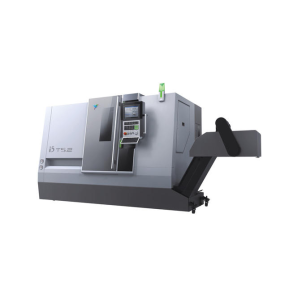
With advanced CNC equipment and strict inspection systems, EMAR supports customers in producing complex automotive components that meet industry standards. From prototype development to mass production, the goal is always consistent quality and precision.
By combining engineering experience with modern machining technology, EMAR helps automotive companies reduce production risks and improve part performance.
Conclusion
By understanding precision requirements in CNC machining automotive parts, recognizing the advantages of CNC machining for automotive part precision, and managing the key challenges in CNC machining precision automotive parts, manufacturers can significantly improve product quality.
As automotive technology continues to evolve, CNC machining will remain a critical part of delivering safer, lighter, and more efficient vehicles for the future.