
Which Is Cheaper for Metal Stamping Parts? A Guide to Reducing Production Costs
When manufacturers look for metal stamping parts, one of the most common questions is: which is cheaper for metal stamping parts? The answer depends on several factors, including material selection, production volume, part design, surface treatment, and supplier capabilities.
Choosing the lowest price option does not always mean choosing the best solution. A cheaper material may require more processing steps, while a slightly higher material cost may reduce waste and improve production efficiency. Understanding the main cost factors can help companies make better purchasing decisions.
What Materials Are More Cost-Effective for Metal Stamping Parts?
For most metal stamping applications, low-carbon steel is usually one of the most affordable material choices. Materials such as A36 steel and 1018 steel are widely used because they are easy to stamp, easy to purchase, and available in large quantities.
Low-carbon steel generally has good ductility and lower material costs compared with stainless steel and aluminum alloys. This makes it a popular choice for high-volume production where controlling cost is important.
- Low-carbon steel: A cost-effective option for many stamping projects because of its low material price and good stamping performance.
- Aluminum alloy: Lightweight and corrosion-resistant, but usually more expensive than low-carbon steel.
- Stainless steel: Offers excellent corrosion resistance and durability but has higher material and processing costs.
- Copper and special alloys: Suitable for specific applications but usually have higher raw material prices.
However, material price is only one part of the total cost. For example, low-carbon steel may need additional coating or plating to prevent rust, which can increase the final production cost.
Factors Influencing the Cost of Metal Stamping Parts
The final price of stamped metal parts is affected by many elements. Understanding these factors influencing the cost of metal stamping parts helps buyers evaluate quotations more accurately.
1. Material Selection
The type and thickness of metal directly affect the cost. Choosing a material that meets performance requirements without unnecessary upgrades can significantly reduce expenses.
2. Production Quantity
Large production orders usually have a lower unit price because tooling, setup, and labor costs are spread across more parts. Small batches may have a higher cost per piece.
3. Part Design Complexity
Simple stamping designs require fewer operations and less processing time. Complex parts with multiple bends, holes, or tight tolerances may require additional tooling and inspection.
4. Tooling and Mold Costs
Stamping dies are an important investment. A well-designed mold can improve production efficiency and reduce long-term costs, especially for large-volume projects.
5. Surface Treatment Requirements
Processes such as powder coating, electroplating, polishing, and heat treatment can increase costs. Selecting the right surface treatment based on actual usage needs can help control the budget.
Comparison of Costs Among Different Types of Metal Stamping Parts
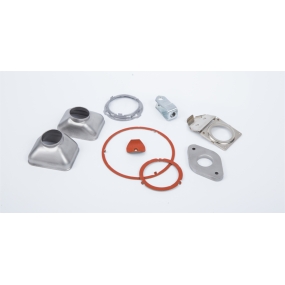
The comparison of costs among different types of metal stamping parts shows that material and processing requirements create major price differences.
- Low-carbon steel stamping parts: Usually the most affordable choice for general structural components and high-volume production.
- Stainless steel stamping parts: Higher cost but suitable for environments requiring corrosion resistance and longer service life.
- Aluminum stamping parts: More expensive than steel in many cases but valuable when lightweight design is important.
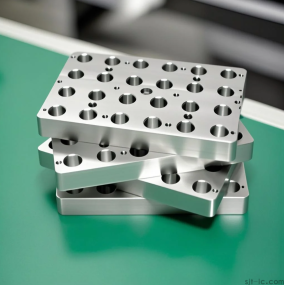
- Precision stamping parts: Higher cost due to strict tolerances, advanced equipment, and quality control requirements.
For businesses that only focus on the lowest initial price, unexpected costs may appear later due to poor durability, extra finishing work, or quality problems. A balanced approach can provide better long-term value.
Ways to Reduce Costs for Metal Stamping Parts
Many companies want to know practical ways to reduce costs for metal stamping parts without affecting product quality. The following methods are commonly used:
- Choose suitable materials instead of automatically selecting premium metals.
- Optimize part designs to reduce unnecessary bends and complicated structures.
- Increase order quantities when possible to lower the average production cost.
- Work with experienced manufacturers that can improve production efficiency.
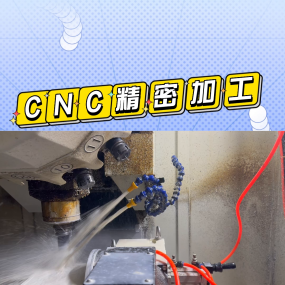
- Combine stamping with efficient CNC Machining solutions for complex components.
Professional manufacturers can often identify design improvements that reduce waste and shorten processing time. For example, EMAR provides CNC processing services and manufacturing support to help customers develop practical solutions for precision metal components while balancing quality and cost.
Affordable Options for Metal Stamping Parts
Finding affordable options for metal stamping parts requires more than comparing unit prices. Buyers should consider the complete production process, including material cost, tooling investment, processing efficiency, and quality control.
A reliable supplier should be able to explain the reasons behind the quotation and provide suggestions for cost optimization. A very low price without technical support may lead to problems such as inconsistent quality, delayed delivery, or increased rework costs.
EMAR's manufacturing experience in CNC processing and metal fabrication allows customers to explore different production methods and choose solutions that match their project requirements and budget goals.
How to Choose the Right Supplier for Cost-Effective Metal Stamping Parts
When selecting a supplier, price should be considered together with production capability and reliability. A professional supplier should have:
- Experience with different metal materials and stamping processes.
- Advanced production equipment and quality inspection systems.
- Clear communication about material choices and processing methods.
- The ability to support both prototype development and mass production.
Comparing suppliers based only on the lowest quotation may not provide the best result. The best choice is usually a supplier that can offer stable quality, reasonable pricing, and technical support.
Conclusion: Finding the Cheapest Metal Stamping Parts Without Sacrificing Quality
So, which is cheaper for metal stamping parts? In many common applications, low-carbon steel stamping parts provide the best cost advantage because of their low material price and excellent processing performance. However, the final cost depends on design, quantity, finishing requirements, and supplier efficiency.
By understanding cost-effective materials for metal stamping parts, comparing different production options, and working with an experienced manufacturer, companies can achieve better value while maintaining product quality.
Choosing the right manufacturing partner, such as EMAR with CNC processing and metal fabrication capabilities, can help businesses create reliable parts while controlling production costs.