CNC Machining Mechanical Parts Custom Supply: How to Choose a Reliable Partner for Your Projects
Finding a reliable supplier for CNC Machining Mechanical Parts Custom Supply can be challenging, especially for companies that need accurate parts, stable quality, and reasonable costs. Whether you need a small batch of prototypes or large-volume production, the right CNC machining partner can help reduce production risks and improve product performance.
A professional custom machining supplier should not only provide precision manufacturing but also support material selection, design improvement, quality inspection, and delivery management. This guide explains what you should know before choosing a CNC machining supplier and how to make the customization process more efficient.
Why Custom CNC Machined Mechanical Parts Are Important
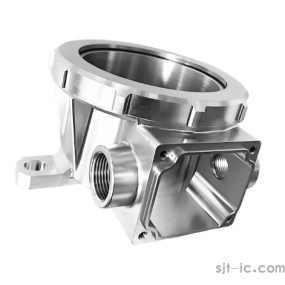
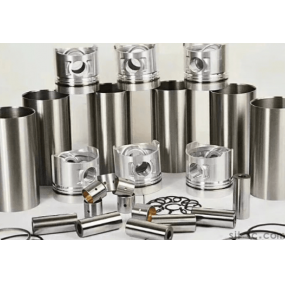
Many industries, including automotive, automation equipment, medical devices, electronics, and aerospace, require mechanical parts with special sizes, shapes, and performance requirements. Standard parts may not meet these needs, so custom CNC machining becomes an effective solution.
With CNC technology, manufacturers can produce complex components with high accuracy and repeatability. A reliable supplier can turn your drawings, 3D models, or ideas into finished mechanical parts that match your application requirements.
However, not every supplier can provide consistent results. Choosing the wrong partner may lead to problems such as delayed delivery, incorrect dimensions, material issues, or unexpected costs.
Steps in Custom-Supplying CNC-Machined Mechanical Parts
Understanding the production process helps customers communicate better with manufacturers and avoid common mistakes. The main steps in custom-supplying CNC-machined mechanical parts usually include the following:
- Design Review and Requirement Confirmation:
The supplier reviews your drawings, specifications, tolerances, surface requirements, and application details. Professional manufacturers may suggest design improvements to make production easier and reduce costs.
- Material Selection:
The right material affects part strength, durability, weight, and price. Suppliers should help customers select suitable options based on working conditions.
- CNC Machining Production:
Advanced CNC machines are used for milling, turning, drilling, and other operations to create accurate mechanical components.
- Quality Inspection:
Finished parts are measured and tested to ensure they meet customer requirements before shipment.
- Packaging and Delivery:
Proper packaging protects precision parts during transportation and helps ensure they arrive in excellent condition.
How to Choose a Reliable CNC Machining Mechanical Parts Supplier
Selecting the right supplier is one of the most important decisions in custom manufacturing. A dependable CNC machining partner should have strong technical experience, modern equipment, and a clear quality management system.
Check Manufacturing Capabilities
A qualified supplier should have experience producing different types of mechanical parts and working with various materials. Check whether they can handle your required machining methods, tolerances, production volume, and finishing requirements.
Review Technical Experience and Communication
Good communication reduces errors during customization. The supplier should understand engineering drawings, ask detailed questions, and provide clear feedback about production challenges.
Evaluate Quality Control Systems
Reliable suppliers use inspection equipment and strict procedures to control product quality. They should be able to provide inspection reports and explain how they maintain accuracy throughout production.
For companies looking for stable manufacturing support, EMAR's excellence in custom-supplying CNC-machined mechanical parts comes from combining advanced CNC machining technology, experienced engineers, strict quality control, and customer-focused service.
Choosing Materials for Custom CNC-Machined Mechanical Parts
Choosing materials for custom CNC-machined mechanical parts is a key step that directly affects performance and cost. Different applications require different material characteristics.
- Aluminum: Lightweight, corrosion-resistant, and suitable for many industrial applications.
- Stainless Steel: Provides excellent strength and corrosion resistance for demanding environments.
- Carbon Steel: A cost-effective option for parts requiring good mechanical strength.
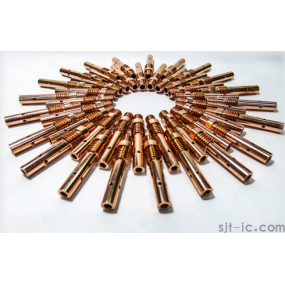
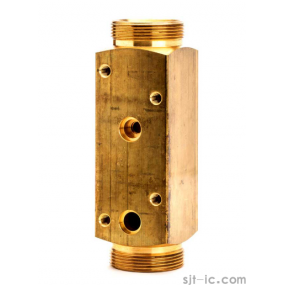
- Copper and Brass: Commonly used when electrical conductivity or special machining properties are needed.
- Engineering Plastics: Useful for lightweight components and applications requiring chemical resistance.
An experienced CNC supplier can recommend the best material according to load requirements, operating environment, production quantity, and budget.
Factors Affecting the Cost of Custom CNC-Machined Mechanical Parts
Many customers want high-quality parts while keeping manufacturing costs under control. Understanding the factors affecting the cost of custom CNC-machined mechanical parts helps you make better decisions.
- Part Complexity: Complex designs require more machining time, programming effort, and specialized tools.
- Material Choice: Different materials have different prices and machining difficulties.
- Production Quantity: Larger orders often reduce the average cost per part.
- Tolerance Requirements: Extremely tight tolerances may require additional machining steps and inspection.
- Surface Treatment: Finishing processes such as anodizing, polishing, or coating can affect the final price.
Working with a supplier early in the design stage can help identify cost-saving opportunities without reducing product quality.
Quality Assurance in Custom-Supplying CNC-Machined Mechanical Parts
Quality assurance in custom-supplying CNC-machined mechanical parts is essential for preventing production problems and ensuring reliable performance.
A professional supplier should follow a complete quality control process, including:
- Checking raw materials before production
- Monitoring machining processes during manufacturing
- Using precision measuring tools for dimensional inspection
- Performing final checks before delivery
- Maintaining production records for traceability
EMAR focuses on strict quality management throughout the CNC machining process. By combining skilled technicians, advanced equipment, and detailed inspection procedures, EMAR helps customers receive mechanical parts that meet their technical requirements.
How EMAR Supports Custom CNC Mechanical Parts Supply
Choosing a CNC machining supplier is not only about finding a factory that can make parts. It is about finding a long-term manufacturing partner that understands your goals.
EMAR provides professional support for CNC Machining Mechanical Parts Custom Supply, helping customers from initial design review to final production. The company focuses on precision machining, flexible production solutions, quality control, and efficient delivery.
With experience in different industries and various machining requirements, EMAR works closely with customers to improve manufacturability, control costs, and deliver reliable custom mechanical components.
Conclusion
A successful CNC machining project depends on choosing the right supplier, selecting suitable materials, controlling costs, and maintaining strict quality standards. Understanding the customization process allows businesses to avoid common problems and achieve better results.
When you need dependable CNC Machining Mechanical Parts Custom Supply, working with an experienced manufacturer like EMAR can provide professional technical support, consistent quality, and customized solutions for your production needs.