CNC Machining Ship Engine Parts: Process, Materials, Accuracy, and Quality Control
CNC Machining Ship Engine Parts is a critical manufacturing process used to produce strong, accurate, and reliable components for marine engines. Ship engines operate under heavy loads, vibration, high temperatures, and long working hours. Because of these harsh conditions, engine parts must meet strict requirements for strength, durability, and dimensional accuracy.
For shipbuilders, marine equipment suppliers, and repair companies, choosing the right CNC machining partner is important. A reliable manufacturer should understand material selection, machining processes, inspection methods, and the special challenges of marine applications. EMAR provides professional CNC machining solutions with experience in producing precision mechanical parts for demanding industries.
What Are the Special Requirements for CNC Machining Ship Engine Parts?
The special requirements for CNC machining ship engine parts come from the difficult working environment of marine engines. Unlike ordinary mechanical parts, ship engine components must continue working safely while facing corrosion, pressure changes, and continuous operation.
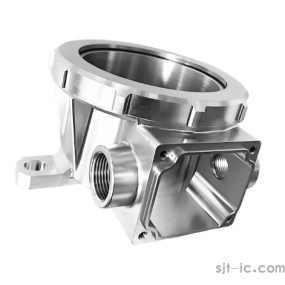
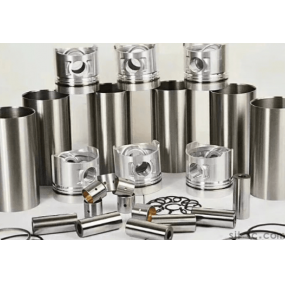
Common ship engine parts produced through CNC machining include:
- Engine blocks and covers
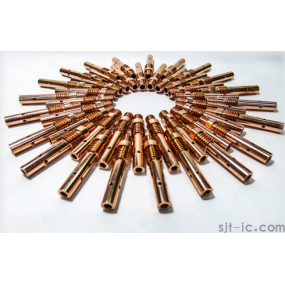
- Shaft components and connecting parts
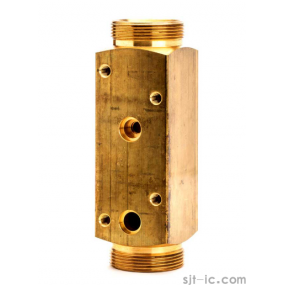
- Valve bodies and fuel system components
- Pump housings and marine mechanical fittings
- Custom brackets and structural engine parts
These components often require tight tolerances, excellent surface finishes, and stable performance over long periods. CNC machining allows manufacturers to create complex shapes while maintaining consistent quality between different production batches.
Steps in CNC Machining Ship Engine Parts
Understanding the steps in CNC machining ship engine parts helps customers evaluate manufacturing quality and production reliability. A professional CNC machining process usually includes the following stages:
- Design review: Engineers check drawings, 3D models, tolerances, and material requirements before production begins.
- Material preparation: Suitable metal materials are selected based on strength, corrosion resistance, and operating conditions.
- CNC programming: Machining programs are created to control cutting paths, speeds, and tool movements.
- Precision machining: CNC milling, turning, drilling, and other processes are used to shape the part accurately.
- Surface treatment: Additional processes may be applied to improve wear resistance or corrosion protection.
- Inspection and delivery: Finished parts are measured and tested before shipment.
Using advanced CNC equipment and experienced operators helps reduce machining errors and improves production efficiency.
Choosing Materials Ideal for Ship Engine Part CNC Machining
The materials ideal for ship engine part CNC machining must provide a balance of strength, heat resistance, corrosion resistance, and machinability. The wrong material choice can reduce engine performance and shorten service life.
Common materials used for ship engine components include:
- Stainless steel: Offers strong corrosion resistance and is suitable for marine environments.
- Aluminum alloys: Provide lightweight performance while maintaining good strength.
- Carbon steel: Provides high strength for heavy-duty mechanical applications.
- Bronze alloys: Work well for parts requiring wear resistance and low friction.
- Titanium alloys: Used in applications where high strength and corrosion resistance are required.
Engineers should consider temperature, load, contact conditions, and exposure to seawater when selecting materials. EMAR helps customers choose suitable materials based on actual operating requirements instead of only focusing on initial cost.
How Precision Is Controlled in Ship Engine Part CNC Machining
The precision levels for ship engine part CNC machining directly affect engine reliability. Even small dimensional errors can cause poor assembly, increased wear, or reduced efficiency.
Precision control usually depends on:
- High-quality CNC machines with stable performance
- Correct cutting tools and machining parameters
- Experienced CNC programmers and operators
- Accurate measuring equipment
- Strict process monitoring during production
For critical engine components, manufacturers may use advanced inspection tools such as coordinate measuring machines (CMM) to confirm dimensions and geometric accuracy.
Quality Assurance in CNC Machining Ship Engine Parts
Quality assurance in CNC machining ship engine parts is essential because these components directly influence vessel safety and operating performance. A complete quality system should control every stage, from raw material inspection to final delivery.
Important quality control steps include:
- Checking incoming materials and certificates
- Verifying machining dimensions against technical drawings
- Inspecting surface quality and finishing results
- Testing critical mechanical features
- Recording inspection data for traceability
EMAR focuses on process control and detailed inspection procedures to help customers receive reliable CNC-machined ship engine components that meet project requirements.
Post-Machining Care for Ship Engine Parts
Post-machining care for ship engine parts in CNC machining is important to maintain performance after production. Proper handling and protection can prevent damage before installation.
- Clean parts carefully to remove machining residue.
- Apply protective coatings when required.
- Store components in dry and suitable conditions.
- Inspect parts before assembly into the engine system.
- Follow maintenance schedules after installation.
Good post-machining practices help extend component life and reduce unexpected maintenance costs.
Why Choose EMAR for CNC Machining Ship Engine Parts?
EMAR's proficiency in CNC machining ship engine parts comes from years of experience in precision manufacturing and custom machining services. The company supports customers with engineering assistance, material recommendations, CNC production, and quality inspection.
For marine engine components that require high strength, accurate dimensions, and dependable performance, EMAR focuses on combining advanced machining technology with strict quality management. This approach helps customers reduce production risks and achieve stable results for demanding marine applications.
Conclusion
CNC Machining Ship Engine Parts requires careful control of materials, machining processes, accuracy, and inspection standards. Choosing an experienced CNC machining supplier can make a major difference in part reliability and overall engine performance.
From selecting suitable materials to maintaining strict quality checks, every step matters. With professional expertise and a strong focus on precision manufacturing, EMAR helps customers produce durable and high-performance ship engine components.