CNC Machining of Alloy Steel: Challenges, Tools, Processes, and How to Choose a Reliable Supplier
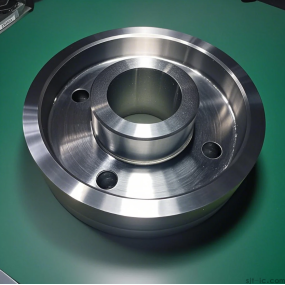
CNC machining of alloy steel is widely used in industries that require strong, durable, and reliable metal parts. Alloy steel contains additional elements such as chromium, nickel, molybdenum, or manganese to improve strength, hardness, wear resistance, and heat performance. These advantages make alloy steel suitable for automotive parts, industrial machines, aerospace components, and heavy equipment.
However, machining alloy steel is more difficult than machining common materials like mild steel or aluminum. The high strength and hardness of alloy steel can cause faster tool wear, heat problems, and surface quality issues. Understanding these challenges helps companies choose the right machining process and avoid unnecessary costs.
Why Is CNC Machining of Alloy Steel More Challenging?
Alloy steel offers excellent mechanical performance, but these same properties create difficulties during CNC machining. Manufacturers need experience, proper equipment, and suitable cutting strategies to produce accurate parts.
- High material hardness: Hard alloy steel requires stronger cutting tools and carefully controlled machining speeds.
- Tool wear problems: Incorrect tool selection can quickly damage cutting edges and increase production costs.
- Heat generation: Cutting alloy steel creates a large amount of heat, which may affect tool life and part accuracy.
- Precision requirements: Many alloy steel parts are used in safety-critical applications, requiring tight tolerances and careful inspection.
For example, a manufacturer producing automotive transmission gears cannot only focus on machining speed. The parts must maintain accurate dimensions and strong surfaces after machining because small errors may affect vehicle performance.
Common Applications of CNC Machined Alloy Steel Parts
Because of its strength and durability, alloy steel is used in many industries. Some common applications include:
- Automotive gears, shafts, engine parts, and suspension components
- Industrial machine parts and heavy-duty equipment components
- Oil and gas equipment requiring high wear resistance
- Aerospace and defense components that need high strength-to-weight performance
- Hydraulic systems and precision mechanical assemblies
For businesses searching for CNC machining of alloy steel for automotive components, selecting a machining provider with experience in high-load parts is important. A qualified supplier understands material behavior and can recommend the right machining approach.
Key Steps in CNC Machining of Alloy Steel
A reliable CNC machining process includes several important steps. Each stage affects the final quality, cost, and performance of the finished part.
1. Material Selection and Inspection
The first step is confirming the correct alloy steel grade. Different alloy steels have different hardness levels and machining characteristics. Suppliers should check material certificates and verify that the steel meets customer requirements.
2. Choosing the Right Cutting Tools
Tool selection is one of the most important factors in precision CNC machining of alloy steel. Common tool choices include carbide tools and specially coated cutting tools because they provide better wear resistance.
Experienced machinists consider:
- Material hardness
- Required surface finish
- Part size and shape
- Production quantity
- Machining speed and efficiency
3. Setting Proper Machining Parameters
CNC machines need suitable cutting speeds, feed rates, and cutting depths. Running too fast may shorten tool life, while machining too slowly may increase production costs.
For CNC machining of high-strength alloy steel, experienced operators usually use balanced settings to achieve both accuracy and efficiency.
4. Quality Inspection
After machining, parts should be inspected using professional measuring equipment. Common inspection methods include dimensional checks, surface inspections, and hardness testing when required.
A trustworthy machining supplier should provide quality records and communicate clearly about inspection results.
How to Improve Quality When Machining Alloy Steel
Companies can improve CNC machining results by following several practical tips:
- Work with experienced machinists: Alloy steel requires knowledge of material behavior and machining experience.
- Choose suitable tools: Using the wrong tools can increase defects and production delays.
- Control heat during machining: Proper cooling methods help protect tools and maintain accuracy.
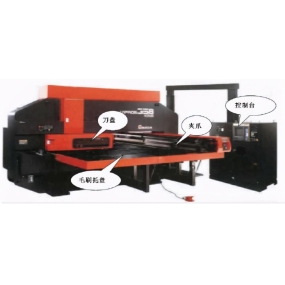
- Use modern CNC equipment: Advanced machines provide better repeatability for complex parts.
- Perform regular machine maintenance: Well-maintained equipment reduces vibration and machining errors.
CNC Machining of Heat-Treated Alloy Steel: What Should You Know?
Heat-treated alloy steel provides higher hardness and strength, but it is more difficult to cut. CNC machining of heat-treated alloy steel requires careful planning because excessive cutting force can damage tools and affect surface quality.
Machining providers should understand whether the material is pre-hardened, fully hardened, or treated after machining. The production method may change depending on the material condition.
For example, a hardened steel shaft may require special cutting tools and slower machining conditions compared with untreated alloy steel. A professional supplier will evaluate the material before starting production instead of using the same process for every project.
How to Find a Reliable CNC Machining Provider for Alloy Steel
Choosing the right supplier is often the biggest challenge for companies that need alloy steel parts. A low-cost supplier may not always provide the quality and reliability required for industrial applications.
Consider these factors when selecting a machining partner:
- Industry experience: Check whether the supplier has produced similar alloy steel parts before.
- Equipment capability: Confirm that the company has suitable CNC machines and inspection tools.
- Quality management: Ask about inspection procedures and quality control systems.
- Engineering support: A good supplier should help optimize designs for better machining performance.
- Communication: Clear communication reduces mistakes during production.
Why Consider EMAR for CNC Machining of Alloy Steel?
For companies looking for professional alloy steel machining support, EMAR provides CNC machining services focused on precision, reliability, and production efficiency. With experience handling different metal materials and complex components, EMAR helps customers develop practical machining solutions based on their drawings, material requirements, and production goals.
EMAR's CNC machining capabilities support projects that require accurate dimensions, stable quality, and efficient production. The company works with customers from prototype development to batch manufacturing, helping reduce machining risks and improve product performance.
Whether you need cost-effective CNC machining of alloy steel for industrial parts or high-precision components for demanding applications, working with an experienced machining partner can help control costs while maintaining quality.
Practical Tips for Reducing CNC Machining Costs
Many customers believe alloy steel machining is always expensive. In reality, proper planning can reduce unnecessary costs.
- Provide complete drawings and technical requirements before production.
- Select suitable materials based on actual application needs.
- Avoid unnecessary complex designs that increase machining time.
- Discuss production volume early to choose the best manufacturing method.
- Work with suppliers who can provide engineering suggestions.
A simple design improvement or better tool selection can significantly reduce machining time and improve overall production efficiency.
Conclusion
CNC machining of alloy steel requires careful control of material selection, cutting tools, machining parameters, and quality inspection. Although alloy steel is challenging to process, professional machining providers can produce high-quality parts with the right knowledge and equipment.
From CNC machining of high-strength alloy steel to automotive and industrial applications, choosing an experienced supplier is essential for achieving reliable results. Companies like EMAR help customers solve machining challenges by combining technical experience, precision equipment, and practical manufacturing solutions.