CNC Machining of Custom Musical Instrument Parts: Precision, Sound Quality, and Smart Manufacturing
CNC Machining of Custom Musical Instrument Parts plays a key role in modern instrument making. From guitar bridges to brass components and woodwind keys, musicians and manufacturers need parts that are accurate, durable, and consistent. Traditional handcrafting is still valuable, but it often cannot meet today’s demand for high precision and mass customization.
This article explains how CNC machining solves common problems in instrument production, what materials are used, and how to reduce cost while maintaining high quality.
Why Precision Matters in Musical Instrument Parts
Musical instruments depend on small details. Even a tiny error in size or shape can change sound quality, tuning stability, or playability. That is why precision requirements in CNC machining custom musical instrument parts are extremely high.
For example, a guitar saddle must be cut to exact height and angle. A flute key must move smoothly without extra friction. CNC machines help achieve this level of accuracy every time, reducing human error and improving consistency across batches.
Common precision challenges include:
- Maintaining tight tolerances for moving parts
- Ensuring smooth surface finishes for sound stability
- Matching parts for consistent tone across instruments
Advantages of CNC Machining in Instrument Manufacturing
The advantages of CNC machining for custom musical instrument parts are clear for both small workshops and large manufacturers. CNC technology improves efficiency while maintaining high craftsmanship standards.
- High repeatability: Every part is identical in shape and size
- Better accuracy: Ideal for complex geometries and fine details
- Faster production: Reduces manual labor time
- Flexible customization: Easy to adjust designs for different instruments
This makes CNC machining a reliable solution for both prototype development and mass production.
Materials Used in CNC Machining Custom Musical Instrument Parts
Choosing the right material is essential for sound quality, durability, and appearance. Common materials used in CNC machining custom musical instrument parts include:
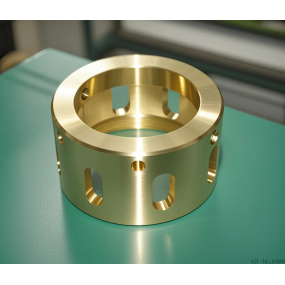
- Brass: Used in wind instruments for warm sound and durability
- Aluminum: Lightweight and corrosion-resistant for modern designs
- Stainless steel: Strong and stable for mechanical components
- Rosewood or maple: Used in guitars and string instruments for tone quality
- Engineering plastics: Used for lightweight and cost-sensitive parts
Each material requires different machining strategies to maintain accuracy and surface quality.
Design Considerations for Better Performance
Good design is just as important as machining quality. Design considerations for CNC machining custom musical instrument parts help ensure that parts function properly and sound as expected.
- Avoid overly sharp internal corners that may weaken parts
- Design with machining tool access in mind
- Balance aesthetics with structural strength
- Consider vibration impact on sound performance
A well-planned design reduces production errors and improves the final sound quality of the instrument.
Cost-Effective Ways to Produce Custom Instrument Parts
Manufacturers often worry about cost. However, cost-effective ways for CNC machining custom musical instrument parts can help reduce expenses without sacrificing quality.
- Use standard material sizes to reduce waste
- Simplify designs where possible without affecting performance
- Combine multiple parts into one machining process
- Optimize CNC programming for faster cycles
Early collaboration between designers and engineers is the best way to control cost effectively.
How Professional CNC Services Improve Results
Working with an experienced CNC supplier can significantly improve product quality. A professional team understands both engineering and musical requirements.
For example, EMAR provides CNC processing services for custom musical instrument parts with a focus on precision, material selection, and stable mass production. Their experience helps customers reduce design risks and improve manufacturing efficiency, especially for complex or high-end instrument components.
By combining advanced CNC equipment with technical knowledge, EMAR supports instrument makers in achieving consistent sound quality and reliable performance.
Conclusion
CNC Machining of Custom Musical Instrument Parts is essential for modern instrument manufacturing. It ensures precision, improves sound consistency, and supports flexible design needs. By understanding materials, design rules, and cost strategies, manufacturers can create better instruments with higher efficiency.
Whether you are developing prototypes or scaling up production, CNC machining offers a stable and reliable solution for high-quality musical instrument parts.