Quality CNC Machining Quotes: Factors, Costs, and How to Get an Accurate Estimate
Getting reliable Quality CNC Machining Quotes is an important step before starting any CNC machining project. A good quote helps customers understand the expected cost, production time, and technical requirements. It also helps machining providers plan materials, equipment, labor, and quality control processes correctly.
Many customers face common problems when requesting CNC quotes. They may receive prices that are too high, discover hidden costs later, or compare quotes that are not based on the same requirements. Understanding what affects CNC machining quotes can help customers make better decisions and get better value for their investment.
Why Quality CNC Machining Quotes Are Important
A detailed CNC machining quote is more than just a price number. It is a technical evaluation of the entire manufacturing process. For customers, an accurate quote helps with budgeting, project planning, and supplier selection. For machining companies, a clear quote reduces production risks and ensures the right resources are prepared.
A professional machining quote normally includes information about:
- Material selection and material cost
- Part design complexity
- Required machining operations
- Production quantity
- Tooling and setup requirements
- Surface finishing or secondary processes
- Estimated delivery time
Reliable CNC manufacturers such as EMAR focus on providing competitive and accurate quotes by carefully reviewing drawings, materials, machining methods, and customer requirements before calculating costs.
Material Factors in Quality CNC Quotes
The material used for a CNC machined part is one of the biggest factors affecting the final price. Different materials have different purchase costs, machining difficulties, tool requirements, and production speeds. Understanding material factors in quality CNC quotes helps customers choose suitable materials without unnecessary expenses.
Metal Materials Used in CNC Machining
Aluminum is one of the most popular CNC machining materials because it is lightweight, corrosion-resistant, and easy to machine. Aluminum usually has lower machining costs because cutting tools can process it quickly. It is widely used for aerospace parts, electronics housings, automotive components, and prototypes.
Steel provides high strength, durability, and wear resistance. However, many steel grades are harder than aluminum, which increases machining time and tool wear. Parts made from steel often require stronger cutting tools and slower machining speeds, leading to higher costs.
Titanium is valued for its excellent strength-to-weight ratio, heat resistance, and corrosion resistance. It is common in aerospace and medical applications. However, titanium is difficult to machine because of its hardness and heat generation during cutting. This increases machining time, tool consumption, and overall quote costs.
Plastic Materials Used in CNC Machining
Engineering plastics such as ABS, nylon, PEEK, and polycarbonate are also widely used in CNC machining. Plastics are usually easier to machine than metals and may reduce production costs. However, special attention is needed because some plastics can deform from heat or require specific cutting methods.
When requesting a quote, customers should clearly specify the material grade. Choosing an incorrect material can affect part performance and may increase costs due to redesign or additional processing.
How Machining Processes Affect CNC Quotes
The manufacturing method has a direct impact on machining time, equipment usage, and labor requirements. Understanding machining process impact on CNC quotes allows customers to see why two similar-looking parts may have different prices.
Part Design Complexity
The complexity of a CNC part strongly influences the quote. Simple shapes usually require fewer machining steps, while complex designs require more programming, setup time, and inspection.
Factors that increase machining difficulty include:
- A large number of holes, slots, pockets, or threads
- Tight dimensional tolerances
- Complex curved surfaces
- Thin walls or delicate structures
- Multiple machining directions
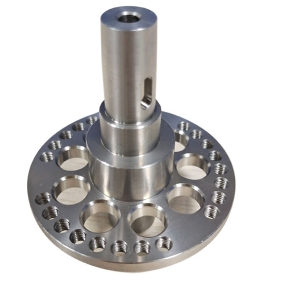
For example, a part requiring many precision holes and detailed surface features may take much longer to manufacture than a simple block-shaped component.
Different CNC Machining Operations
CNC milling is commonly used for parts with complex shapes, flat surfaces, pockets, and detailed features. The cost depends on programming time, machine operation time, and the number of tool changes required.
CNC turning is mainly used for cylindrical parts such as shafts, pins, and bushings. It is often efficient for round components, but special requirements such as threads or tight tolerances can increase costs.
EDM (Electrical Discharge Machining) is used for very hard materials and extremely precise features. Because EDM requires specialized equipment and skilled operators, it can increase the machining quote when needed.
Production Volume and CNC Quotes
The order quantity has a major effect on CNC machining costs. The relationship between production volume and CNC quotes is important because higher quantities often reduce the average cost per part.
For small production runs or prototypes, setup and programming costs are spread across fewer parts, making each piece more expensive. For larger orders, the same setup costs are divided across more parts, creating better cost efficiency.
However, larger production volumes may require additional considerations, such as:
- Special fixtures for faster production
- Dedicated tooling
- Automated inspection methods
- Long-term material planning
Customers should provide the expected production quantity when requesting quotes to receive more accurate pricing.
Tooling Cost in Quality CNC Machining Quotes
Tooling is another important cost factor. Standard cutting tools may already be available, but special parts sometimes require custom tools, fixtures, or holding systems.
The tooling cost in quality CNC machining quotes depends on factors such as:
- Special cutting tools required for unique designs
- Custom fixtures for part positioning
- Tool material and expected tool life
- Number of machining operations
For high-volume production, investing in custom tooling may reduce the cost per part. For prototypes or low-volume projects, using standard tooling may be more economical.
Additional Services That Affect CNC Machining Prices
CNC machining quotes may include more than cutting and shaping the material. Additional processes can improve appearance, durability, or performance, but they also increase the total cost.
Common additional services include:
- Surface finishing, such as anodizing, polishing, coating, or plating
- Heat treatment for improved strength or hardness
- Laser marking or engraving
- Precision inspection and quality reports
- Assembly services
Customers should mention these requirements before receiving a quote to avoid unexpected charges later.
How to Prepare for Quality CNC Machining Quotes
Good preparation helps customers receive faster and more accurate quotations. Following these steps when preparing for quality CNC machining quotes can reduce communication problems and improve project results.
Provide detailed drawings: Include dimensions, tolerances, surface finish requirements, and important design notes. 3D CAD files are also helpful for accurate evaluation.
Specify the material: Clearly state the preferred material, grade, and any required certifications.
Confirm production quantity: State whether the project is a prototype, small batch, or large production order.
Explain special requirements: Include finishing, inspection standards, packaging needs, or delivery deadlines.
Compare multiple suppliers: Review different quotes, but do not choose only based on the lowest price. Consider machining experience, quality systems, customer feedback, and communication ability.
How to Choose the Right CNC Machining Quote Provider
A quality CNC machining provider should offer transparent pricing, technical support, and realistic production plans. A very low quote may sometimes indicate lower-quality materials, limited inspection, or unexpected additional costs.
When comparing suppliers, consider:
- Experience with similar parts and materials
- Available CNC equipment and manufacturing capability
- Quality inspection methods
- Communication speed and technical support
- Ability to meet delivery requirements
EMAR provides professional CNC machining services with a focus on accurate cost evaluation, quality manufacturing, and competitive quotations. By reviewing part designs, material choices, machining processes, and customer goals, EMAR helps customers receive practical CNC solutions that balance quality and cost.
Conclusion
Obtaining Quality CNC Machining Quotes requires more than asking for a price. The final cost depends on many factors, including material selection, part complexity, machining methods, production volume, tooling requirements, and additional services.
Customers can achieve better results by preparing complete design information, clearly defining requirements, and comparing experienced machining providers. A well-prepared quote creates a stronger connection between customers and manufacturers, helping both sides achieve reliable quality, reasonable costs, and successful CNC machining projects.