
CNC Machining Plant for Mechanical Parts: How to Choose the Right Manufacturing Partner
Choosing the right CNC machining plant for mechanical parts is an important decision for companies that need accurate, durable, and reliable components. A professional CNC machining plant can turn engineering drawings into finished mechanical parts used in industries such as automotive, aerospace, medical equipment, automation, and industrial machinery.
However, not all machining plants have the same production ability, quality control standards, or service level. Buyers need to evaluate factors such as machining capabilities, precision, customization options, cost control, and delivery performance before selecting a supplier.
What Is a CNC Machining Plant for Mechanical Parts?
A CNC machining plant for mechanical parts is a manufacturing facility that uses computer-controlled machines to produce metal and plastic components with high accuracy. CNC means Computer Numerical Control. The machine follows programmed instructions to cut, drill, mill, turn, or finish materials according to a specific design.
Unlike traditional manual machining, CNC machining provides better repeatability and consistency. This makes it suitable for producing both small batches of customized parts and large quantities of industrial components.
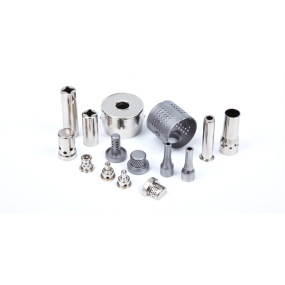
Typical CNC-machined mechanical parts include:
- Machine frames and brackets
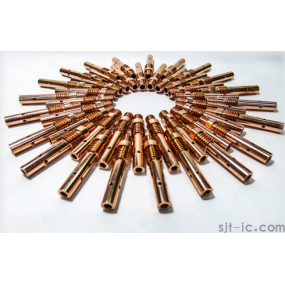
- Precision shafts and gears
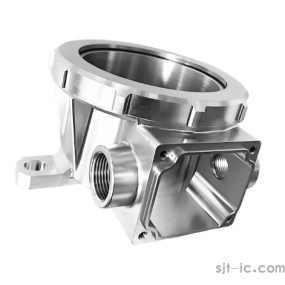
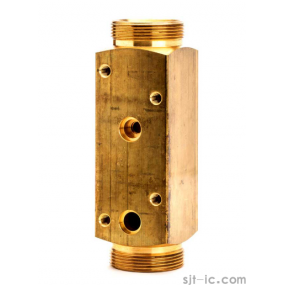
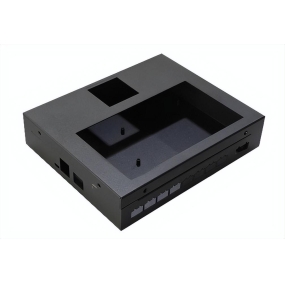
- Housing components
- Automation equipment parts
- Aluminum and stainless steel components
- Complex mechanical structures
Key Machining Capabilities to Evaluate
When searching for reliable CNC machining plants for mechanical parts, the first thing to check is the plant’s manufacturing capability. A strong supplier should have advanced equipment, skilled operators, and experience with different materials and part designs.
Types of CNC Machines
A capable CNC machining plant usually operates several types of equipment, including:
- CNC milling machines: Used for creating flat surfaces, slots, holes, and complex shapes.
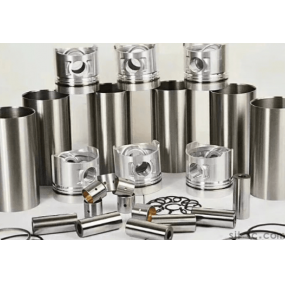
- CNC turning machines: Suitable for producing round parts such as shafts, pins, and cylinders.
- Machining centers: Combine multiple operations to improve efficiency and accuracy.
- CNC grinding machines: Used for parts requiring very smooth surfaces and tight tolerances.
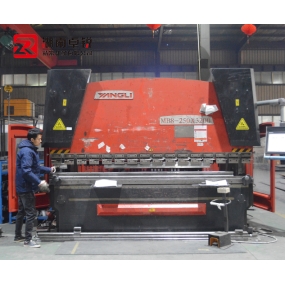
- Laser cutting and sheet metal equipment: Useful for supporting mechanical structure production.
A plant with different machining options can handle more project requirements and reduce the need for multiple suppliers.
Precision and Tolerance Control
For many mechanical applications, accuracy is critical. High-precision CNC machining plants for mechanical parts should have modern inspection tools and experienced technicians who can maintain stable quality during production.
Precision levels depend on the part design, material, and application. A professional plant should be able to discuss tolerance requirements clearly and recommend suitable machining solutions instead of simply promising unrealistic accuracy.
How CNC Machining Plants Ensure Product Quality
Quality assurance is one of the most important factors when selecting a CNC machining supplier. A low-cost part with poor quality can create equipment failures, production delays, and additional expenses.
A trustworthy CNC machining plant should have a complete quality management process, including:
- Reviewing customer drawings and technical requirements before production
- Checking raw material quality and certificates
- Performing first-piece inspections
- Using precision measuring equipment during production
- Conducting final inspections before shipment
Common inspection tools include coordinate measuring machines (CMM), calipers, micrometers, and surface measurement equipment. These tools help confirm that finished parts meet customer specifications.
Customization Options for Different Mechanical Applications
Many businesses do not need standard products. They require parts designed for specific machines or production systems. This is why CNC machining plants for customized mechanical parts are valuable partners for engineering teams.
A good CNC machining supplier should support:
- Custom part production based on CAD drawings
- Prototype machining for product testing
- Small-batch and mass production
- Material selection support
- Surface finishing services
- Design improvement suggestions
For example, a factory developing a new automation machine may need several aluminum brackets and stainless steel connection parts. A capable CNC machining plant can help optimize the design, select the right material, and produce accurate samples before full production.
Choosing CNC Machining Plants for Complex Mechanical Parts
Some mechanical components have complicated structures, deep cavities, multiple angles, or strict tolerance requirements. In these cases, buyers should look for CNC machining plants for complex mechanical parts with advanced equipment and experienced engineers.
Important questions to ask include:
- Can the plant machine complex 3D shapes?
- What materials can it process?
- Does it have experience with similar components?
- Can it provide technical support during design?
A supplier with experience in complex projects can reduce production risks and improve the final product quality.
Cost Efficiency and Production Value
Price is important, but the lowest quotation is not always the best choice. Cost-effective CNC machining plants for mechanical parts focus on providing good value by balancing price, quality, and delivery speed.
Factors that influence CNC machining costs include:
- Material type and material usage
- Part complexity
- Machining time
- Required precision level
- Surface treatment requirements
- Production quantity
Experienced suppliers can reduce costs through better programming, optimized cutting methods, efficient production planning, and reduced material waste.
Delivery Time and Customer Support
Reliable delivery is essential for manufacturing companies. Delayed mechanical parts can interrupt entire production lines. A professional CNC machining plant should provide clear production schedules and communicate progress throughout the project.
Before placing an order, customers should confirm:
- Prototype lead time
- Mass production capacity
- Packaging methods
- Shipping arrangements
- After-sales support
Good communication helps avoid misunderstandings and ensures that parts arrive when needed.
Why Consider EMAR for CNC Machining Mechanical Parts?
EMAR provides CNC machining services focused on producing reliable mechanical parts for different industrial applications. With professional machining equipment, experienced technicians, and a focus on quality control, EMAR supports customers from prototype development to production manufacturing.
The company provides solutions for customers who need accurate components, customized designs, and stable production capacity. Whether a project requires simple machined parts or more complex components, EMAR works with customers to understand technical requirements and deliver suitable manufacturing solutions.
By combining machining experience, inspection processes, and flexible production services, EMAR helps businesses improve product reliability while controlling manufacturing costs.
Practical Tips for Selecting the Right CNC Machining Plant
Before choosing a CNC machining supplier, consider the following checklist:
- Review production capability: Confirm that the plant has suitable machines and experience for your parts.
- Check quality systems: Ask about inspection methods and quality control procedures.
- Evaluate communication: Choose a supplier that responds clearly and provides technical support.
- Compare total value: Consider quality, delivery, and service instead of only the initial price.
- Request samples when possible: Prototype testing can help confirm machining ability before large orders.
Conclusion
A professional CNC machining plant for mechanical parts plays an important role in modern manufacturing. The right supplier should provide strong machining capabilities, reliable quality control, customization support, competitive costs, and dependable delivery.
By carefully evaluating equipment, precision levels, production experience, and customer service, companies can find a machining partner that meets their long-term needs. Working with an experienced supplier such as EMAR can help businesses produce accurate mechanical parts and achieve more efficient manufacturing results.