Customized Metal Sheet Metal Processing Costs: Key Factors You Need to Know
Understanding customized metal sheet metal processing costs is important for businesses that need metal parts, enclosures, cabinets, brackets, panels, or other custom products. The final price is not based on one factor only. It depends on materials, design requirements, production processes, order quantity, and quality standards.
Many buyers ask, “Why do two similar sheet metal products have different prices?” The answer is that each project has different cost elements. By understanding these elements, companies can make better decisions, control budgets, and choose the right manufacturing partner.
Main Factors Affecting Customized Metal Sheet Metal Processing Costs
The factors affecting customized metal sheet metal processing costs usually include material selection, labor requirements, tooling needs, product complexity, and production quantity. A clear understanding of these factors helps customers avoid unexpected expenses.
1. Material Costs and Metal Selection
Material is one of the biggest parts of sheet metal processing costs. Different metals have different prices, properties, and processing difficulties.
- Stainless steel: Offers excellent corrosion resistance and durability but usually costs more than standard steel.
- Aluminum: Lightweight and easy to transport, but special processing methods may increase costs.
- Carbon steel: A popular choice because it provides good strength at a lower price.
- Copper and special alloys: These materials can increase costs because of their higher market prices.
Material thickness also affects the cost. A thicker metal sheet requires more cutting force, longer processing time, and sometimes additional equipment.
2. Labor Costs and Production Skills
Labor costs include design preparation, machine operation, welding, bending, assembly, inspection, and packaging. Products with simple shapes require less manual work, while complex parts need more skilled workers and longer production time.
For example, a simple metal cover with basic cutting and bending may need only a few production steps. However, a customized electrical cabinet with welding, surface treatment, and assembly requires more labor, which increases the overall cost.
3. Tooling and Setup Costs
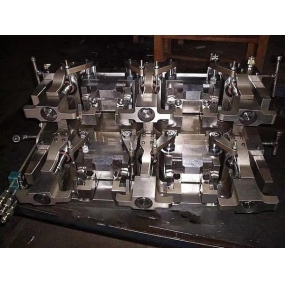
Tooling costs are related to the equipment and special tools needed to manufacture a product. Standard sheet metal parts may use existing tools, while special designs may require new molds, fixtures, or production setups.
Tooling costs are often higher during small-volume production because the setup cost is spread across fewer products. When production quantity increases, the cost per piece usually becomes lower.
How to Calculate Customized Metal Sheet Metal Processing Costs
Many customers want to know how to calculate customized metal sheet metal processing costs. Although every project is different, a basic calculation usually includes the following parts:
- Material cost: Calculate the metal sheet price based on type, thickness, and required amount.
- Processing cost: Include cutting, bending, welding, drilling, and other manufacturing operations.
- Labor cost: Add the time required for workers to complete production and inspection.
- Tooling cost: Include special tools or setup costs if required.
- Additional costs: Consider surface finishing, packaging, transportation, and quality testing.
A professional manufacturer will review drawings, production requirements, and quantity before providing an accurate quotation. This approach helps prevent cost mistakes caused by incomplete information.
How Product Complexity Changes Processing Costs
Complexity is another important factor in customized metal sheet metal processing costs. Simple designs are usually faster and cheaper to manufacture, while complicated designs require more time and experience.
High-cost elements in customized metal sheet metal processing often include:
- Multiple bending operations
- Complex shapes and tight design requirements
- Many welding points
- Special surface treatments
- Strict dimensional accuracy requirements
- Additional inspection procedures
For example, a flat metal plate with several holes may be produced quickly. In contrast, a custom machine enclosure with many bends, welded corners, and powder coating requires more production steps and higher investment.
Quantity Impact on Customized Metal Sheet Metal Processing Costs
The quantity impact on customized metal sheet metal processing costs is significant. Production volume directly affects the average cost of each part.
- Small quantities: Higher unit costs because setup, programming, and preparation expenses are divided among fewer products.
- Medium quantities: Usually provide a better balance between cost and flexibility.
- Large quantities: Lower unit costs because production efficiency improves.
For example, producing 20 customized metal brackets may have a higher price per piece than producing 2,000 brackets. However, small-batch production can still be valuable for prototypes, testing, and specialized equipment.
Cost-Saving Tips for Customized Metal Sheet Metal Processing
Using the right strategies can reduce expenses without reducing product quality. Here are practical cost-saving tips for customized metal sheet metal processing:
- Choose suitable materials: Select materials based on actual performance needs instead of choosing the most expensive option.
- Optimize product design: Simple designs with fewer processing steps usually cost less.
- Increase order quantity when possible: Larger production runs can reduce the average manufacturing cost.
- Work with an experienced manufacturer: Professional suppliers can suggest better production methods.
- Prepare complete drawings and requirements: Clear information helps avoid redesign costs and production delays.
Choosing a Cost-Effective Customized Sheet Metal Processing Partner
A reliable manufacturer does more than provide a low quotation. A good supplier helps customers control costs through professional engineering support, efficient production methods, and stable quality control.
EMAR provides customized metal sheet metal processing services with a focus on cost efficiency, quality management, and flexible production solutions. With experience in custom metal manufacturing, EMAR helps customers select suitable materials, optimize designs, and reduce unnecessary processing costs while meeting product requirements.
By combining advanced equipment, skilled production teams, and strict quality checks, EMAR supports different project needs, from prototypes to larger production orders. This approach allows customers to achieve better value instead of simply choosing the lowest price.
Real-Life Example of Customized Sheet Metal Cost Control
A customer needed a customized metal cabinet for industrial equipment. The first design required many separate parts, complex welding, and extra finishing work. After reviewing the design, the manufacturer suggested changing the structure to reduce the number of components and simplify assembly.
The updated design used fewer processing steps while maintaining strength and appearance. As a result, material waste was reduced, production time became shorter, and the overall cost decreased.
This example shows that cost control is not only about finding cheaper materials. Good design decisions and professional manufacturing advice can make a major difference.
Conclusion
Customized metal sheet metal processing costs depend on many connected factors, including materials, labor, tooling, design complexity, and order quantity. Understanding these elements helps buyers make smarter purchasing decisions and avoid unexpected expenses.
When looking for a sheet metal processing supplier, consider experience, manufacturing capability, quality control, and cost management ability. A professional partner like EMAR can help customers achieve reliable custom metal products with reasonable costs and efficient production.