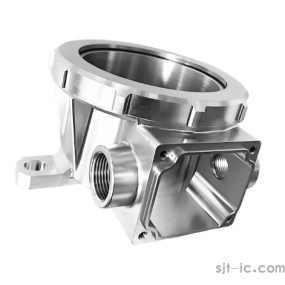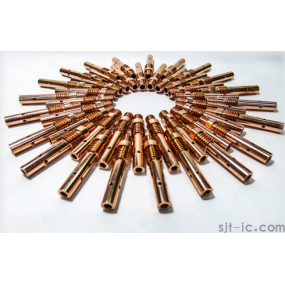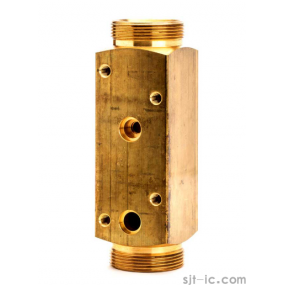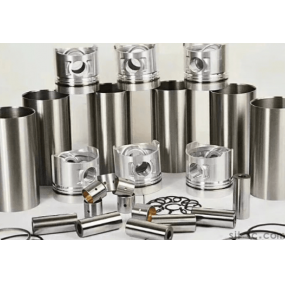

CNC Machining Precision Stainless Steel Products: Process, Precision Control, and Quality Assurance
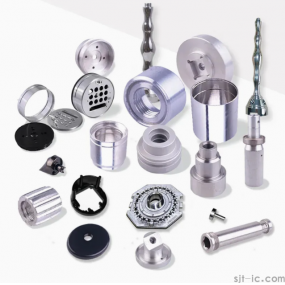
CNC Machining Precision Stainless Steel Products is widely used in industries that require high strength, corrosion resistance, and accurate dimensions. From medical equipment and aerospace parts to industrial machinery and electronic components, stainless steel CNC machining helps manufacturers create reliable parts with tight tolerances.
However, machining stainless steel is not always easy. Its hardness, heat resistance, and strength can create challenges such as tool wear, surface defects, and difficulty maintaining accuracy. Understanding the machining process, material features, precision control methods, and quality checks can help customers choose the right manufacturing partner and achieve better results.
Why Stainless Steel Is Suitable for Precision CNC Machining
One of the main reasons manufacturers choose stainless steel is its excellent balance of strength, durability, and corrosion resistance. These properties make it suitable for products that must work in demanding environments.
The advantages of stainless steel for precision products in CNC machining include:
- High durability: Stainless steel parts can withstand heavy loads, vibration, and long-term use.
- Corrosion resistance: Stainless steel performs well in environments exposed to moisture, chemicals, or temperature changes.
- Good surface quality: CNC machining can produce smooth and clean finishes suitable for precision applications.
- Strong dimensional stability: Stainless steel maintains its shape and strength under different working conditions.
- Wide material choices: Different stainless steel grades can meet different performance requirements.
Common stainless steel materials used in CNC machining include 304, 316, 17-4PH, and other specialized grades. The correct material choice depends on factors such as strength requirements, corrosion conditions, production volume, and final application.
Steps in CNC Machining Precision Stainless Steel Products
The CNC machining process for stainless steel requires careful planning and accurate execution. Each step affects the final product quality.
- Design review and process planning:
Engineers check the 3D model or technical drawings, confirm tolerances, select suitable machining methods, and identify possible manufacturing difficulties.
- Material selection and preparation:
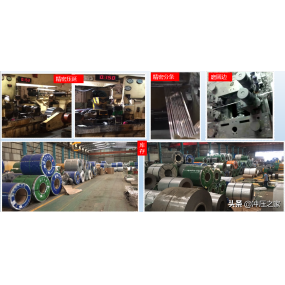
The correct stainless steel grade is chosen according to product requirements. The raw material is prepared and fixed securely on the CNC machine.
- CNC programming:
Machinists create CNC programs that control cutting paths, speeds, tool movement, and machining sequences. Proper programming reduces errors and improves efficiency.
- Precision machining:
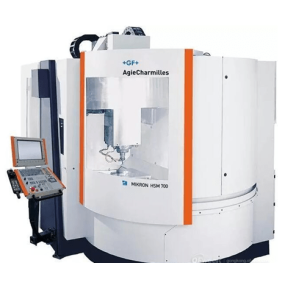
CNC machines perform operations such as milling, turning, drilling, and grinding. Cutting parameters are adjusted carefully because stainless steel generates more heat and cutting resistance than softer materials.
- Surface finishing and treatment:
After machining, parts may receive additional processes such as polishing, deburring, cleaning, or surface treatment to improve appearance and performance.
- Inspection and delivery:
Finished products are measured and tested before shipment to ensure they meet customer specifications.
How to Achieve High Precision in Stainless Steel CNC Machining
Maintaining accuracy is one of the biggest concerns when producing stainless steel parts. Small errors can affect assembly, performance, and product reliability.
The precision-setting in CNC machining of stainless-steel products involves several important factors:
- Correct machine calibration: CNC equipment must be regularly checked and adjusted to maintain accuracy.
- Suitable cutting tools: High-quality tools designed for stainless steel help reduce wear and improve machining stability.
- Optimized cutting parameters: Proper cutting speed, feed rate, and depth of cut prevent excessive heat and vibration.
- Stable work holding: Secure fixtures prevent movement during machining and improve dimensional accuracy.
- Temperature management: Cooling methods help control heat expansion and maintain consistent measurements.
Experienced CNC manufacturers understand that precision is not achieved by one single step. It requires the combination of advanced equipment, skilled operators, accurate programming, and strict process management.
Common Challenges in CNC Machining Stainless Steel Parts
Although stainless steel offers many benefits, it also creates machining challenges that manufacturers must solve.
- Tool wear: Stainless steel can quickly reduce tool life if incorrect cutting conditions are used.
- Heat generation: Poor heat control may affect surface quality and dimensional accuracy.
- Work hardening: Stainless steel can become harder during machining, making cutting more difficult.
- Surface defects: Scratches, burrs, or rough surfaces may appear without proper machining techniques.
- Tolerance control: Maintaining very tight dimensions requires advanced inspection methods and experienced technicians.
A reliable CNC machining supplier should have the technical knowledge and production systems needed to handle these challenges effectively.
Quality Control Measures in CNC Machining Precision Stainless Steel Products
Quality assurance is essential for precision stainless steel components. Customers need confidence that every part will meet design requirements and perform correctly in real applications.
The quality-control measures in CNC machining precision stainless-steel products usually include:
- Incoming material inspection: Verify stainless steel grade, dimensions, and material certificates before production.
- First article inspection: Check the first completed part to confirm machining accuracy and process settings.
- In-process inspection: Measure critical dimensions during production to identify problems early.
- Final inspection: Use precision measuring tools such as coordinate measuring machines (CMM), calipers, and gauges to confirm product quality.
- Surface and appearance checks: Ensure the finished parts meet required surface standards.
These quality systems reduce production risks and help customers receive consistent stainless steel components for their projects.
Why Choose EMAR for CNC Machining Precision Stainless Steel Products
EMAR's excellence in CNC machining precision stainless steel products comes from its focus on accuracy, production experience, and customer requirements. With professional CNC machining capabilities, EMAR supports customers who need reliable stainless steel parts with complex designs and strict tolerance requirements.
EMAR provides solutions covering the complete machining process, including material selection support, CNC programming, precision manufacturing, surface finishing, and quality inspection. By combining advanced CNC equipment with experienced technicians, EMAR helps customers achieve stable quality and efficient production.
For industries that require high-performance stainless steel components, working with a skilled machining partner can reduce development risks, improve product reliability, and control manufacturing costs.
Conclusion
CNC Machining Precision Stainless Steel Products requires careful control of materials, machining methods, accuracy settings, and inspection procedures. Stainless steel provides excellent strength and corrosion resistance, but successful machining depends on professional experience and strict quality management.
By understanding the steps in CNC machining precision stainless-steel products, choosing the right materials, applying effective precision control methods, and following strong quality standards, manufacturers can produce reliable parts for demanding applications. A capable CNC machining partner like EMAR can provide the expertise needed to turn complex stainless steel designs into high-quality finished products.